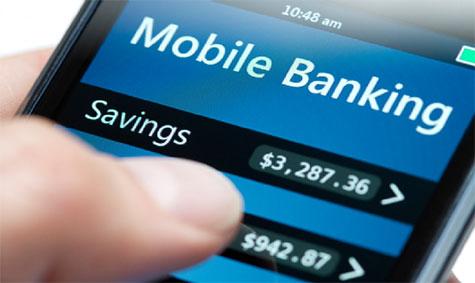
Online banking nowadays has become popular because it gives people the convenience of performing financial transactions such as depositing and transferring money whenever they want, from any location – provided the customer has an Internet connection. Although banks use various strategies to secure the electronic transactions of their clients, consumers must take certain steps to make their electronic transactions much safer.
Security is one of the biggest problems in online banking because of the harmful malware used by some unscrupulous people to intercept users’ personal data, including transaction information and passwords. Malware can affect different types of electronic systems including tablets, desktop computers, and smart phones.
Another type of security problem in Internet banking is phishing. This refers to an electronic attack that compromises people’s personal information. Criminals often send fraudulent emails that imitate the appearance of official bank emails and with links that lead to fake websites. Phishing steals users’ personal information and passwords when they enter the data into their computers.
The most obvious risk of online banking is theft. Presently, all bank’s deposits are secured by the Nigeria Deposit Insurance Corporation (NDIC). Normally banks use encryptions and protocols to protect their clients’ information when transactions are conducted electronically.
Experts say avoid shared computers and networks, if you’re banking on a shared computer, you’re putting your account at risk. This includes Cyber cafes as well as your computer at work.
When you’re done, log off your banking site if you do use a shared computer, also if you’re surfing to the next page, you’re still on the banking site. Someone can gain access to your account.”
Tapping into outside Wi-Fi networks is also dangerous. Experts warn against using Wi-Fi networks in airports, cafes, restaurants, with some exceptions. If you’re given a password to get onto a wireless network, you’re safer. At hotels, opting for a wired connection is safest.
The bank then checks to make sure that the information it’s receiving has not been tampered with before continuing with the transaction.
Install antivirus software on your desktop computer and laptop even smartphone to protect it against viruses and malware. Update your anti-virus software regularly to ensure it has the latest security features and updates.
Avoid sharing laptops and other portable Internet devices to avoid risk of exposing yourself to malware and other potentially malicious applications. Only perform exchanges on laptops and computers that are properly secured.
Never disclose your personal financial information including account numbers, PIN, or passwords to anyone through word of mouth, text messages, emails, or phone calls. In addition, do not perform Internet transactions with a financial institution that does not encrypt its client’s electronic transactions.
Online banking is a great way to perform transactions and keep track of your money and account activities. One of the most important things to remember when doing transactions online is that your money is only as safe as the devices you are using.
TIAMIYU ADIO ISMAIL

Join BusinessDay whatsapp Channel, to stay up to date
Open In Whatsapp