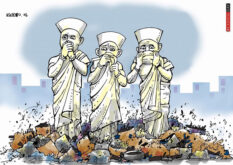
A newly launched report on the 2016 State of the World Toilet by WaterAid Nigeria has revealed that 130million representing 71 percent of Nigerians lack access to safe, private toilet.
58 million people out of the number living in urban cities lack access to improved sanitation facilities and 13.5million urban dwellers defecate in the open, the report further noted.
Michael Ojo, WaterAid Country Representative, who addressed a press conference on Friday in Abuja to commemorate the World Toilet Day lamented that globally, Nigeria is third, after India and China on a list of top 10 countries with the most urban countries with the most urban dwellers without safe, private toilets.
He said Nigeria is ranked third on a list of countries with the most number of urban-dwellers practicing open defecation and tenth on a list of countries with the most percentage of urban-dwellers practicing open defecation adding that between 2000 and 2015 there has been significant increase in the number of urbanities without improved sanitation, nearing 31.5million people.
The WaterAid country representative regretted that the poor access to water sanitation and hygiene practice was responsible for the death of over 45,000 children under the age of five adding that Nigeria is falling on access to sanitation.
Ojo pointed out that current evidence has shown that working days lost to poor sanitation costs the global economy approximately $4billion annually adding that countries may loose 5 percent of their GDP as result of loss of productivity due to illnesses caused by lack of sanitation and poor hygiene practice.
Speaking on the theme of the celebration “Toilet and Jobs” he said sanitation has a market potential of $2.6billion and by increasing access to sanitation, through stimulating need, through sanitation marketing, and responding to existing unmet needs, untapped business opportunities open up.
Ojo maintained that if government invests more in tackling the challenge of poor sanitation, more jobs are created and it would save a lot of revenue for the government.
“Universal access to water, sanitation and hygiene services would significantly contribute to growth, through greater productivity gained from less time wasted accessing water and sanitation, as well as reduced health care and mortality costs. An investment in improving access to safe water, sanitation and hygiene is probably the most effective investment Nigeria can make to grow its economy and better the lives of its people”, he said.
Ojo however, stressed the need for everyone living in urban areas, including slums to be reached with toilet to ensure public health is protected adding that more money is better targeted and spent from government and donors on sanitation, clean water and hygiene for the urban poor.
The Country Representative also stressed the need for Nigerian government to ensure that schools, healthcare facilities and birthing centers have safe toilets, clean running water and functional hand washing facilities to reduce maternal, newborn and child deaths and strengthen children’s ability to attend school

Join BusinessDay whatsapp Channel, to stay up to date
Open In Whatsapp