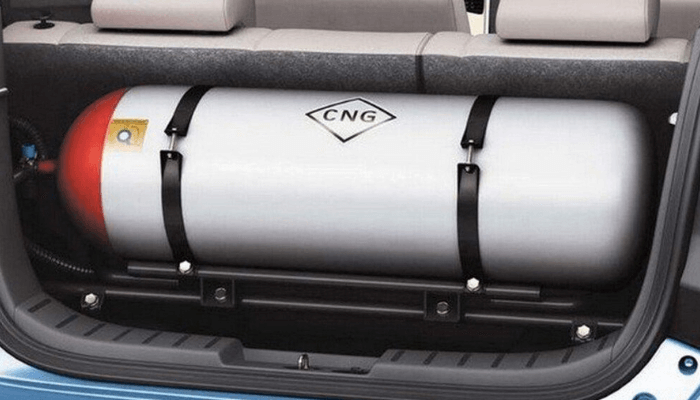
Surging transport costs driven by rising fuel prices have forced motorists to seek cheaper alternatives such as Compressed Natural Gas (CNG), but the transition has been constrained by several infrastructural bottlenecks.
Infrastructural deficits and operational challenges continue to hinder motorists transitioning from fuel to gas-powered mobility in Africa’s most populous country.
Despite the government’s effort in CNG adoption to lower transportation costs, including the Presidential CNG Initiative (PCNGi) for infrastructure, offering convert-now-pay-later kits, deploying CNG buses, and setting up conversion centres nationwide, adoption has remained low.
According to Augusto&Co. CNG industry report, penetration remains low, with converted vehicles comprising less than 1 percent of Nigeria’s estimated 12 million registered vehicles, as infrastructure gaps remain a significant barrier to the broader adoption of CNG.
Read also: Five things to know before switching to CNG in Nigeria
While interest in CNG is growing amid rising transport costs and fuel price volatility, the transition has continued to face major hurdles. In no particular order, here are five things stalling CNG adoption in Nigeria.
High vehicle conversion costs
Converting petrol-powered vehicles to CNG can cost hundreds of thousands of naira, placing them beyond the reach of many private motorists and transport operators.
Despite being a cheaper alternative to fuel, the upfront costs remain unaffordable for many motorists, as conversion ranges from N900,000 to N1.6 million depending on the engine type and vehicle.
Poor infrastructure
Inadequate infrastructure remains one of the primary hurdles hindering motorists from transitioning to CNG in Nigeria.
Despite the government’s push for a cleaner and cheaper fuel alternative, the lack of widespread refuelling facilities and conversion centres continues to slow adoption.
Safety concerns
Fear of explosions, inadequate infrastructure, and poor regulation of the conversion process continue to discourage motorists, as many are not familiar with how CNG works.
While CNG is generally safer than gasoline, high-profile accidents, improper conversions, and weak safety enforcement have created significant public doubts.
Financing gaps
With initiatives introduced by the federal government like the Presidential Compressed Natural Gas Initiative (PCNGi) to provide subsidies, widespread, affordable financing is not yet available to the average driver.
Without credit access or pay-later schemes, motorists cannot afford the one-time payment, affecting consumer uptake.
Supply chain constraints
The industry depends heavily on imported conversion kits, cylinders, and related equipment, leading to delays and high costs.
The volatility of the naira increases the cost of importing these components, making the final conversion price very high.

Join BusinessDay whatsapp Channel, to stay up to date
Open In Whatsapp