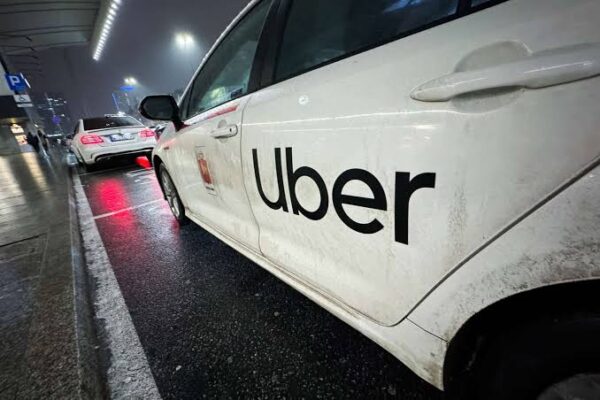
Uber Technologies is ahead of its rivals in rolling out self-driving cars for ride-sharing and is on track to become the world’s largest provider of autonomous vehicle (AV) trips by 2029, Citi Research analyst Ronald Josey said on Monday.
The ride-hailing giant’s growing list of AV partnerships, plus its huge size, put it in a strong position, Josey wrote in a client note.
He repeated his Buy rating on Uber stock and $110 price target. That target points to about 49 percent upside from Friday’s closing price.
Since Uber reported fourth-quarter results in early February, the company has announced seven new or expanded AV partnerships.
The latest, revealed last week, is with electric-vehicle maker Rivian. Uber or its fleet partners plan to buy 10,000 fully autonomous Rivian R2 robotaxis, with an option for 40,000 more.
Josey pointed to fast progress in artificial intelligence that will cut the time and cost to launch driverless cars.
Read also: Uber, Bolt drivers log off apps in protest over low fares, 25% commission
He highlighted Uber’s tie-up with chip maker NVIDIA, which he said should help bring full driverless L4 technology across the whole system.
“We look for supply to ramp in the next one to three years, with Uber’s mobility platform a key driver of demand,” Josey said.
Uber has also taken steps to support the electric vehicles that many robotaxis will use. It recently said it will invest $100 million to build fast-charging stations in Los Angeles, Dallas and San Francisco.
The company also reached a utilization guarantee deal with charging firm EVgo in New York, Boston, San Francisco and Los Angeles.
At Uber’s latest earnings call, Dara Khosrowshahi, its chief executive said: “We are more convinced than ever that AVs will unlock a multi-trillion-dollar opportunity for Uber.”
Josey agreed that Uber is uniquely placed to capture that chance because of its scale. “As AVs expand globally, we believe Uber is among the best positioned to benefit given its size and scale,” he wrote.
Uber shares have fallen 10 percent so far this year as some investors worry about competition and future pricing in the AV space. Josey said investors should see that drop as a buying chance.“We acknowledge concerns around AVs around competition and pricing longer-term. But we also believe Uber’s AV strategy can bring more AVs to market. Uber continues to gain share, which we believe can continue and bridge to when AVs expand beyond the tipping point,” he said.
Read also: Uber’s Tanzania exit poses warning shot for Nigerian market
The message from Citi is clear and timely. While many companies talk about robotaxis, Uber is quietly building the network that connects riders to vehicles made by others. Its low-capital model, as it does not own most of the cars, lets it add supply fast without huge spending.
The fresh deals with Rivian and NVIDIA, plus charging investments, address two big roadblocks: getting enough vehicles ready and keeping them charged and running. This could let Uber move from today’s mix of human drivers and early AV tests to much cheaper, higher-volume robotaxi rides within a few years, lifting long-term profit growth even if near-term competition heats up.


Join BusinessDay whatsapp Channel, to stay up to date
Open In Whatsapp