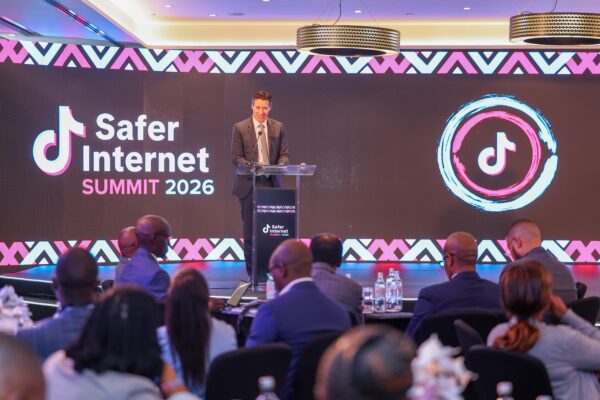
TikTok said on Tuesday it will invest an additional $200,000 in Artificial Intelligence (AI) media literacy programmes across Sub-Saharan Africa, as the social media platform seeks to strengthen efforts to combat misinformation and promote safer internet use.
The announcement was made during the company’s third annual Sub-Saharan Africa Safer Internet Summit held in Nairobi, which brought together government officials, regulators, technology companies and civil society groups to discuss online safety challenges in the region.
The two-day summit, held under the theme “#SaferTogether: Innovation and Safety,” focused on protecting young people online, improving digital literacy and developing policy frameworks for responsible AI governance.
Tokunbo Ibrahim, TikTok’s head of government relations and public policy for Sub-Saharan Africa, said the gathering aims to encourage collaboration between policymakers, industry and online communities.
“As we host the third Safer Internet Summit here in Kenya, our mission is clear: to share insights, address common challenges and develop solutions that protect citizens online. By bringing together policymakers, tech innovators and creators, we are helping build a more resilient digital landscape,” Ibrahim said.
Read also: Africa’s creator economy hits global stage as five stars join TikTok Discover List 2026
The $200,000 funding will be distributed as advertising credits to support organisations working to improve AI and media literacy across the region.
The new investment builds on TikTok’s $2 million global AI Literacy Fund launched in November 2025, which supports non-profit organisations creating educational content to help the public understand AI technologies.
In Sub-Saharan Africa, TikTok has already partnered with several organisations to tackle misinformation and improve digital awareness.
These include Mtoto News in Kenya, which produces educational content for children and teenagers about responsible use of AI; Africa Check, which expands fact-checking work in Nigeria, South Africa and Kenya; and the Centre for Journalism Innovation and Development (CJID), whose DUBAWA platform combats misinformation and promotes fact-checking in African media.
Valiant Richey, TikTok’s global head of partnerships, elections and market integrity, said the company is focusing on community education as AI technology evolves rapidly.
Read also: TikTok, Apple Music test new ways users can enjoy music experiences
“With the rapid advancement of AI, we want people to feel empowered to engage responsibly with these tools, whether they are viewers or creators. Working with trusted local organisations helps ensure these programmes are relevant and effective,” Richey said.
William Kabogo, Kenya’s cabinet secretary for Information, Communications and Technology, who opened the summit, said cooperation between governments and technology companies is essential to maintain a safe digital environment.
“As we embrace the opportunities of the digital era, we must also protect citizens by promoting responsible AI governance and strong partnerships,” Kabogo said.
TikTok said AI also plays a major role in moderating content on its platform. The company reported that **more than 100 million pieces of content are uploaded to TikTok daily, requiring automated systems and human moderation to identify harmful material.
According to TikTok’s latest community guidelines enforcement report for the third quarter of 2025, the platform removed more than 14 million videos in Sub-Saharan Africa, with 96.7 percent detected and taken down proactively using automated technology.
The summit series began in Ghana in 2024 and continued in Cape Town in 2025, as TikTok expands engagement with African governments and regulators on digital safety issues.
Participants at this year’s meeting pledged to deepen regional cooperation and strengthen initiatives aimed at improving digital literacy and online safety across Sub-Saharan Africa.

Join BusinessDay whatsapp Channel, to stay up to date
Open In Whatsapp