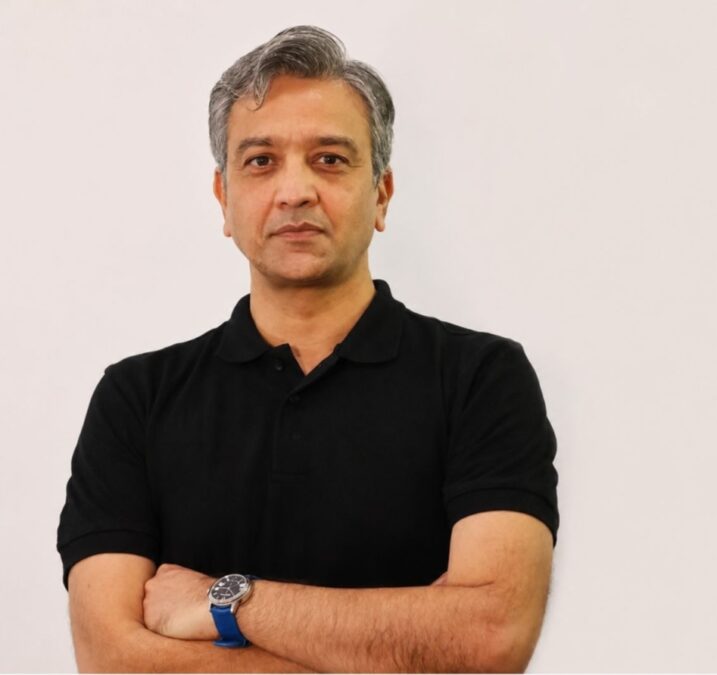
Africa’s largest electric mobility company, Spiro, has appointed Indian battery-swapping expert Anant Badjatya as its new group chief executive officer, signaling a major push to transform its recent $215 million fundraising into continent-wide expansion and deeper industrial growth.
The appointment comes just weeks after Spiro secured one of the largest equity investments ever raised by an African electric mobility company, positioning the firm to accelerate its ambitions in battery swapping, electric vehicle deployment, energy solutions, logistics services and local manufacturing.
Badjatya takes over at a crucial stage in the company’s growth journey. His track record in India’s rapidly expanding electric mobility market is expected to strengthen Spiro’s efforts to build the infrastructure needed to support Africa’s transition away from petrol-powered transport.
Read also: Spiro secures $215m funding to deepen EV expansion in Nigeria, six other African markets
Before joining Spiro, Badjatya served as chief executive officer of Indofast Energy, a joint venture between IndianOil and SUN Mobility. During his tenure, the company built one of India’s largest battery-swapping networks, operating more than 1,800 stations and supporting about 90,000 vehicles daily.
His appointment reflects Spiro’s strategy of importing proven operational expertise from one of the world’s most advanced battery-swapping ecosystems while adapting it to African market realities.
The company has grown rapidly under outgoing CEO Kaushik Burman. Since launching in 2022, Spiro has expanded into seven African countries, including Nigeria, Kenya, Rwanda, Uganda, Benin, Togo and Cameroon. The company has deployed more than 100,000 electric motorcycles and established a battery-swapping network exceeding 2,500 stations.
The scale of its operations highlights the growing acceptance of electric mobility across Africa, particularly among commercial motorcycle riders who face rising fuel and maintenance costs. Spiro says it has completed tens of millions of battery swaps and covered more than one billion electric-powered kilometres across its markets.
Industry analysts view the leadership transition as more than a management change. It represents a shift from rapid market entry to large-scale execution. While the company has already built a sizeable footprint, the next challenge is turning that presence into a sustainable and profitable mobility ecosystem.
Founder and chairman Gagan Gupta described the appointment as a pivotal moment for the company, saying Badjatya will help consolidate strategic initiatives and guide the next phase of growth across mobility, energy and technology businesses.
The new CEO inherits both opportunity and pressure. Africa remains one of the world’s most promising electric mobility markets because of its vast motorcycle transport sector. Millions of commercial riders across the continent rely on petrol-powered bikes that consume expensive imported fuel and generate significant emissions.
Electric motorcycles combined with battery-swapping systems offer an alternative model that eliminates long charging times while reducing operating costs for riders. For many delivery operators and commercial transport workers, lower daily energy expenses can translate directly into higher earnings.
However, significant challenges remain.
Weak electricity infrastructure across many African countries continues to pose risks to large-scale deployment. While battery-swapping reduces charging bottlenecks for riders, operators must still maintain reliable energy supplies for charging stations.
Financing also remains a critical issue. Many motorcycle riders cannot afford the upfront cost of electric vehicles, making flexible leasing and financing models essential for adoption. Expanding these financing structures across multiple countries with different economic conditions will test Spiro’s execution capabilities.
Regulatory uncertainty presents another hurdle. Electric mobility policies vary widely across African markets, creating challenges for companies seeking regional scale. Differences in taxation, import duties, licensing requirements and energy regulations can slow expansion plans.
Read also: Spiro targets 2,000 battery swap stations in Nigeria by 2026
Competition is also intensifying as investors increasingly view Africa’s clean mobility sector as a high-growth opportunity. New entrants are targeting key markets, forcing established players such as Spiro to move quickly to maintain their leadership position.
Perhaps the most important long-term challenge is local manufacturing. Spiro has repeatedly emphasized its vision of producing vehicles in Africa for African and global markets. Achieving this goal will require stronger supply chains, workforce development, technology transfer and sustained investment in industrial capacity.
Badjatya’s experience in scaling battery-swapping infrastructure in India could prove valuable in addressing many of these challenges. His leadership will be closely watched by investors and policymakers eager to see whether Africa can replicate some of Asia’s electric mobility success stories.
For Africa, the significance of Spiro’s growth extends beyond transportation. A successful electric mobility ecosystem could reduce dependence on imported fossil fuels, create manufacturing jobs, stimulate clean energy investments and support broader climate goals.
With fresh capital, a growing operational footprint and a leader experienced in building large-scale battery infrastructure, Spiro is now positioning itself for what could become the defining phase of Africa’s electric mobility transformation.


Join BusinessDay whatsapp Channel, to stay up to date
Open In Whatsapp