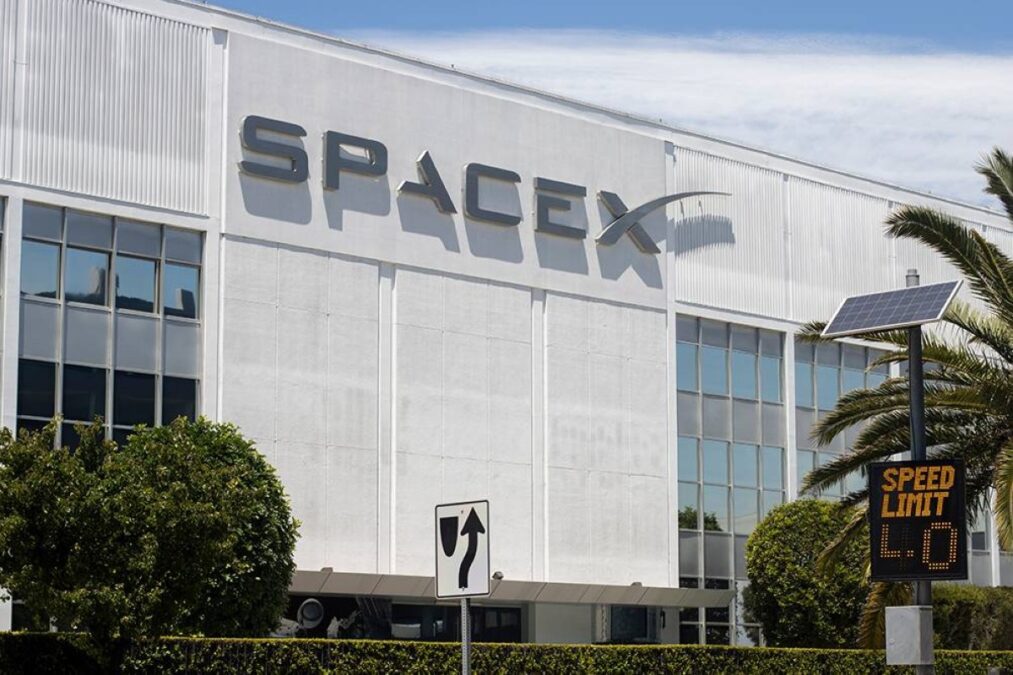
SpaceX, Elon Musk’s pioneering space and technology giant, has taken a bold step into the debt markets.
On Monday, the company officially commenced its inaugural offering of senior unsecured notes, marking the first time it has issued investment-grade dollar bonds.
This move comes just days after SpaceX’s record-breaking initial public offering (IPO) in mid-June, where it raised $75 billion by selling shares at $135 each. The IPO valued the company at around $1.77 trillion, making it one of the world’s most valuable public companies right from the start.
Read also: Musk reunites with South African ally to help guard SpaceX’s $2.1trn empire
Why bonds now?
The bond offering is subject to market conditions and other factors, as noted in filings. It builds on strong investment-grade credit ratings SpaceX secured in June: Moody’s gave it Baa1, Fitch BBB+, and S&P BBB. These ratings reflect confidence in the company’s strong cash position, growing Starlink business, and future potential.
Bankers, including Bank of America, Citigroup, JPMorgan Chase, Goldman Sachs, and Morgan Stanley, are expected to lead the deal. Investor calls likely started around June 23. While the exact size and terms (such as interest rates and maturity) are still being finalized, reports point to at least $20 billion.
Read also: SpaceX overtakes Amazon’s market cap after record IPO rally
Much of this will refinance a $20 billion bridge loan taken out earlier to fund the acquisition of Musk’s AI startup xAI in February.
As of June 19, SpaceX reported a massive $100.8 billion in cash and cash equivalents, giving it huge financial flexibility even as it borrows more.
Funding AI ambitions
The real story here goes beyond refinancing. SpaceX is gearing up for a massive push into artificial intelligence. The xAI acquisition brought in advanced AI capabilities, including the Grok chatbot and related technologies.
Musk has talked about ambitious plans like orbital data centers, putting computing power in space to handle AI’s enormous energy and cooling needs more efficiently than Earth-based facilities.
AI is capital-intensive. Building data centers, buying computing hardware (like powerful GPUs), and setting up power infrastructure can cost tens of billions.
Read also: Early believers in SpaceX cash in big as rocket company goes public
Starlink’s satellite internet business, which is profitable and growing fast with millions of users, is expected to help fund these efforts.
Analysts project SpaceX could take on hundreds of billions in debt over the coming years to chase these opportunities.
This bond sale signals the start of what could be a long borrowing spree. Unlike selling more stock (which dilutes shareholders), debt lets SpaceX raise money while keeping ownership intact.
With investment-grade status, borrowing costs should be relatively low compared to riskier junk bonds.
Insights and market context
This is classic big-tech strategy in the AI era. Companies like Nvidia and others have tapped bond markets heavily to fund growth. SpaceX joins this AI bond frenzy with strong credentials like proven rocket technology, a booming satellite constellation, and now deeper AI integration.
Investors seem optimistic. The company’s cash pile provides a safety net, and its diversified bets on reusable rockets, global internet, and AI, position it for multiple growth paths.
However, challenges remain. AI development is uncertain and expensive, space projects face technical and regulatory hurdles, and execution risks are high.
Read also:Here’s what investors need to know about SpaceX historic trading day
For everyday observers, this highlights how private innovation is shaping the future. SpaceX’s moves could accelerate satellite internet access worldwide, push AI boundaries, and even influence space-based computing.
Musk’s vision of a multi-planetary future with intelligent systems is getting real financial backing.
In simple terms, SpaceX just IPO’d for a fortune, used some cash wisely, and is now borrowing smartly on good terms to chase even bigger dreams in AI and space.
This could be the beginning of a new chapter where rockets and robots increasingly work together. The coming weeks will reveal the final bond details, but the message for now is that SpaceX is playing the long game with serious financial firepower.


Join BusinessDay whatsapp Channel, to stay up to date
Open In Whatsapp