
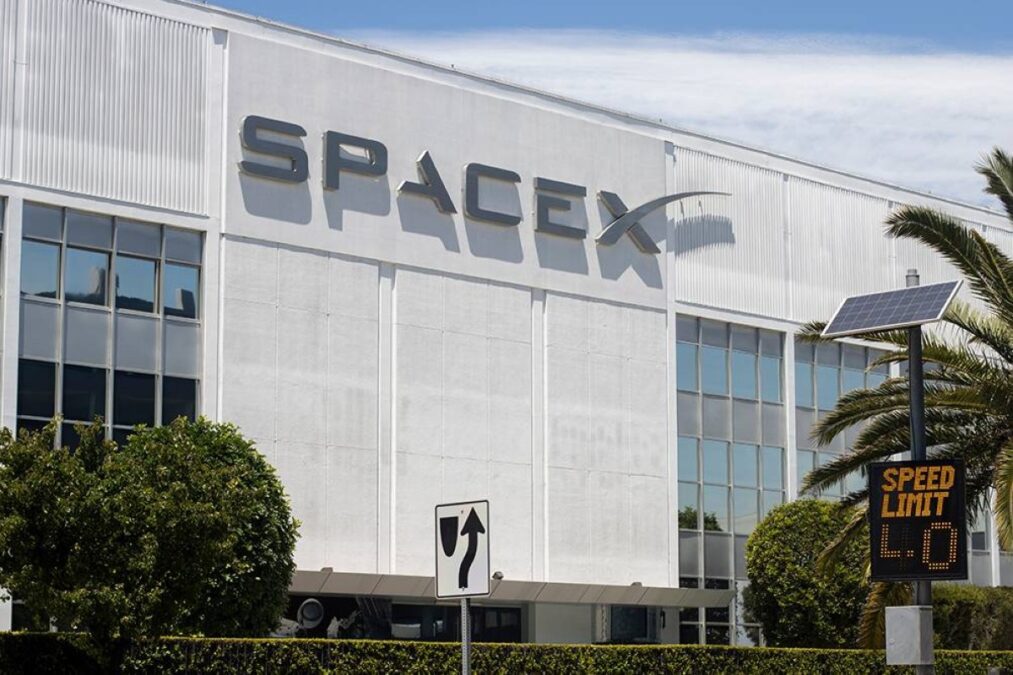
SpaceX’s record-breaking initial public offering (IPO) has created a new wave of market winners, with early investors, funds, and employees benefiting from the strong debut of the Elon Musk-led space company on public markets.
The company’s shares, trading under the ticker SPCX, jumped sharply after its Nasdaq debut, closing the first trading session significantly above the IPO price.
SpaceX priced shares at $135 each, valuing the company at about $1.77 trillion before trading began. The stock later climbed, pushing the company’s market value above $2 trillion as the IPO became the largest in history, with SpaceX initially raising about $75 billion before underwriters exercised an additional share option that lifted total proceeds to $85.7 billion.
Institutional investors such as Founders Fund, Fidelity, Thrive Capital, and top asset managers that secured pre-IPO allocations benefited significantly from the historic debut of SpaceX (Ticker: SPCX) on the Nasdaq.
The listing raised $85.7 billion at an implied valuation of over $2 trillion, making it the largest IPO in history. Early backers and funds that marked up pre-IPO positions saw massive returns as shares spiked on their opening debut. This surge was largely driven by institutional demand and strong retail participation, with investors seeking direct exposure to SpaceX’s core assets.
Historically dominated by institutional buyers, the offering on the Nasdaq exchange (ticker: SPCX) allocated at least 20 percent of the deal to retail investors through major brokerages.
The immediate 19 percent first-day jump in share value instantly boosted the paper wealth of thousands of employees, with early estimates suggesting the IPO could turn over 4,400 current and former SpaceX employees into millionaires.
The market reaction has strengthened expectations around Musk’s broader technology empire, as investors weigh SpaceX’s potential in satellite connectivity, reusable rockets, AI infrastructure, and future space-based services.
Despite generating nearly $19 billion in yearly revenue, the consolidated entity remains net-loss making, posting a $4.28 billion deficit in its latest quarter, largely due to capital-intensive AI and Starship investments.
Investors remain cautious, pointing to SpaceX’s extremely high valuation and the risks associated with funding ambitious projects such as Starship and large-scale space infrastructure. The company’s future performance will depend on whether its growth plans can justify the historic price investors are paying.
SpaceX’s debut has already set a new benchmark for technology listings and demonstrated continued investor appetite for companies tied to Artificial Intelligence, aerospace, and next-generation infrastructure.

Join BusinessDay whatsapp Channel, to stay up to date
Open In Whatsapp