Nigeria’s healthcare system is facing renewed scrutiny over persistent cases of misdiagnosis, particularly in the treatment of common febrile illnesses often assumed to be malaria or typhoid without proper testing.
Medical errors, including misdiagnosis, are highly prevalent in Nigeria, with studies reporting incidence rates among healthcare practitioners ranging from 42.8 percent to 89.8 percent, according to Open Academic Journals Index report.
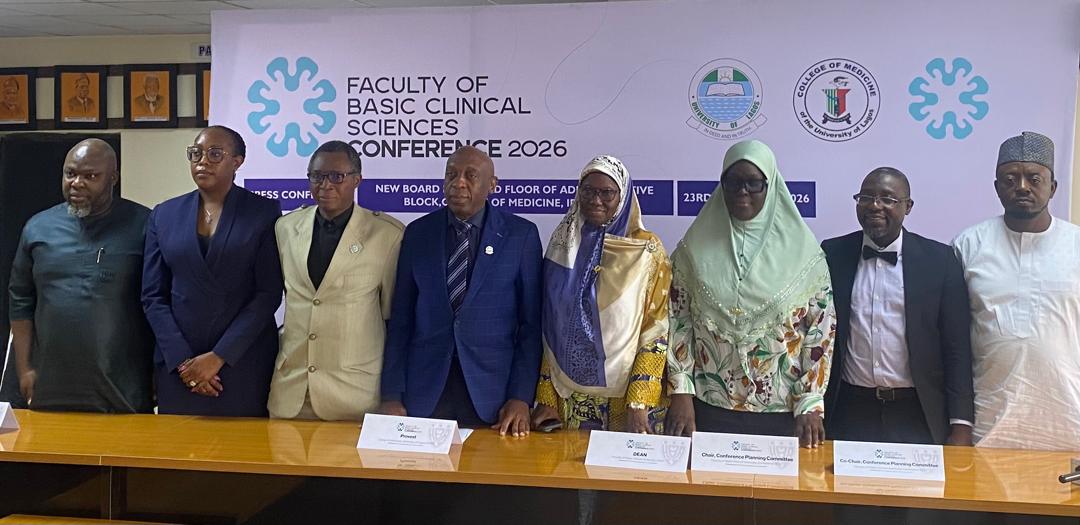
In response, the College of Medicine, University of Lagos, is convening a Clinical Sciences Conference aimed at strengthening diagnostic accuracy and clinical decision-making across the country’s health sector.
The conference, scheduled for June 23 to 25, 2026, at the Idi-Araba campus in Lagos, will bring together clinicians, researchers, policymakers and private sector stakeholders to examine systemic gaps between laboratory diagnostics and bedside care.
Organisers say discussions will centre on improving patient outcomes through more precise, evidence-based medical practice.Renewed attention on diagnostics comes amid long-standing concerns over the over-reliance on presumptive treatment, limited access to diagnostic tools in many health facilities, and inconsistencies in clinical protocols that often lead to avoidable errors.
Health professionals say these challenges contribute to delayed care, inappropriate medication use and preventable complications.Fatima Abdulkareem, dean of the Faculty of Basic Clinical Sciences, said misdiagnosis remains one of the most persistent problems in clinical practice in Nigeria, especially in the management of febrile illnesses frequently treated without confirmatory laboratory tests.
She noted that while the faculty was established to strengthen the link between laboratory science and clinical practice, the broader challenge lies in ensuring that diagnostic knowledge is consistently applied in real-world clinical settings. “The problem we are tackling is misdiagnosis. Precision in practice means getting it right from diagnosis through to treatment,” she said.
Abdulkareem added that improving outcomes will require more than academic training, calling for a structural shift in how clinicians, laboratories and healthcare institutions interact in delivering care. She said the conference is designed to generate practical solutions that extend beyond academic discourse.
The conference theme, “Precision in Practice: Integrating Diagnostics, Therapeutics and Clinical Insights for Patient-Centered Care,” reflects growing concern among medical professionals about fragmented healthcare delivery, where diagnosis and treatment often operate in silos rather than as integrated processes.
Ademola Oremosu, provost of the College of Medicine, said the establishment of the faculty is part of a broader effort to reposition medical education and research in Nigeria, with greater emphasis on improving healthcare outcomes rather than academic output alone.He noted that Nigeria’s health indicators continue to be affected by systemic inefficiencies, including gaps in diagnostic capacity and uneven application of clinical standards across healthcare facilities.
Oremosu added that disciplines such as pathology, microbiology, haematology and pharmacology must play a more central role in guiding clinical decisions if the country is to reduce avoidable deaths and improve quality of care.
Titilope Adeyemo, chairman of the conference, said the programme will emphasise interdisciplinary collaboration aimed at closing the gap between research and clinical practice. She noted that emerging technologies such as artificial intelligence and machine learning are becoming increasingly relevant in diagnostics and medical training.
According to her, the conference will feature plenary sessions, technical presentations and panel discussions designed to deliver practical solutions rather than theoretical debates. She added that the event will also strengthen engagement with alumni networks and international partners to enhance knowledge exchange.
The college highlighted its ongoing research in infectious diseases, including Ebola, Lassa fever and COVID-19, alongside continued work in malaria, HIV and cancer research. It also noted recent clinical efforts, including a trial offering immunotherapy for colorectal cancer patients, as part of a broader push to expand access to advanced treatment options in Nigeria.
However, stakeholders acknowledge that scaling such innovations remains a major challenge due to limited healthcare infrastructure, funding constraints and unequal access to diagnostic equipment across public and private facilities. These limitations continue to affect the consistency of care delivery, particularly at the primary and secondary levels.
Beyond its academic focus, organisers say the three-day conference will include community health outreach on the opening day, keynote addresses and expert discussions on the second day, and technical scientific sessions on the final day. A closing gala and awards ceremony will recognise contributions to medical research and healthcare development.
They added that the conference is expected to serve as a platform for stronger collaboration between academia, industry and government in addressing persistent gaps in Nigeria’s healthcare delivery system.
While expectations are high, observers note that translating conference outcomes into measurable improvements will depend on sustained policy support, increased investment in diagnostic infrastructure and stronger integration of research findings into routine clinical practice.

Join BusinessDay whatsapp Channel, to stay up to date
Open In Whatsapp