
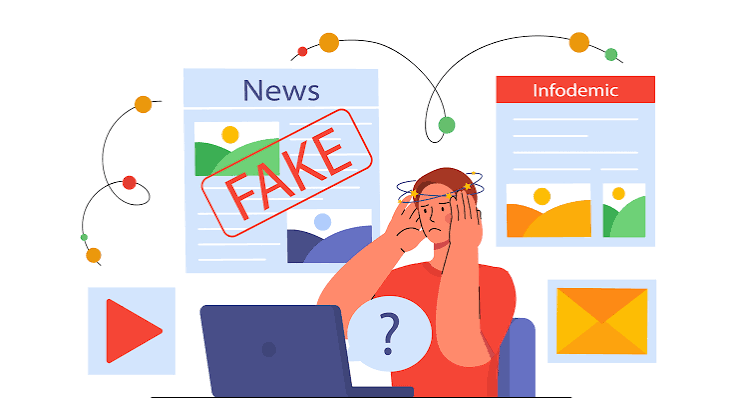
As Nigeria prepares for the 2027 general elections, SBM Intelligence suggests that the fight against AI-powered misinformation could become one of the country’s newest technology markets.
SBM Intelligence, in its report titled ‘The Algorithm and the Ballot Box: AI, Misinformation, and the Political Information Environment Ahead of Nigeria’s 2027 Elections’, noted a growing commercial opportunity for companies building tools to protect democratic processes.
This is while most of the conversation around artificial intelligence has focused on the dangers of deepfakes and election manipulation. The report noted that Nigeria currently lacks the infrastructure needed to detect, verify and respond to AI-generated political content at scale.
With more than half of Nigerians relying on social media as their primary source of political information, demand is expected to grow for technologies that can identify manipulated videos, fake audio recordings and coordinated disinformation campaigns.
Nigeria has entered an era where protecting elections depends on technology rather than traditional monitoring alone. With AI-generated misinformation expected to become more sophisticated before the 2027 polls, companies that can verify digital content, monitor online narratives, detect deepfakes and improve public trust could find themselves serving one of the country’s fastest-growing public interest technology markets.
SBM Intelligence report suggests that protecting democracy is no longer only the responsibility of governments and civil society, but it is also becoming a business opportunity for startups, cybersecurity firms, AI developers and digital infrastructure providers capable of building the tools needed for the next generation of elections.
AI startups
One of the biggest opportunities lies with AI startups that develop deepfake detection software.
SBM Intelligence stated that while international AI detection tools already exist, Nigeria has not yet integrated them into election monitoring systems. This gap creates room for local companies to develop solutions tailored to Nigerian politics, languages and social media behaviour.
Products capable of analysing WhatsApp voice notes, detecting manipulated campaign videos or verifying political speeches could find customers among media organisations, election observers, political parties and government agencies.
Cybersecurity firms
The report points to opportunities for cybersecurity companies as election-related attacks become sophisticated.
Rather than focusing only on hacking, cybersecurity providers can expand into AI risk assessments, election monitoring, digital forensics and rapid-response services that investigate suspected deepfakes before they spread widely.
Fact-checking organisations
Nigeria already has one of Africa’s most developed fact-checking ecosystems, which includes the Nigeria Fact-Checkers’ Coalition, DUBAWA, CJID and FactCheck Africa.
SBM Intelligence recommends scaling these organisations into a nationwide AI-enabled election monitoring network, creating demand for AI detection software, workflow automation platforms, cloud infrastructure and verification technologies supplied by private companies.
Language AI is another untapped market
Nigerian-language artificial intelligence is seen as the biggest long-term opportunity as it creates an opportunity for startups building speech recognition, translation, moderation and deepfake detection models specifically for Nigerian languages.
The report warns that misinformation in 2027 is unlikely to be confined to English. AI tools are already capable of generating convincing content in Hausa, Igbo, Yoruba and Pidgin English, while content moderation and fact-checking remain overwhelmingly English-based.
Media literacy
The SBM Intelligence report recommends nationwide media literacy campaigns delivered through radio, civil society and digital platforms.
Such programmes would require curriculum developers, education technology firms, communications agencies, training providers and digital learning platforms, opening another commercial segment around democracy resilience.
Compliance and AI governance services
As regulators move to establish AI rules ahead of the elections, another market is emerging around compliance. The report recommends AI guidelines for elections, amendments to existing cybercrime legislation and stronger governance frameworks.
Businesses that help organisations comply with these regulations, including legal technology firms, governance consultants and AI auditors, could benefit as public institutions and political organisations prepare for new requirements.


Join BusinessDay whatsapp Channel, to stay up to date
Open In Whatsapp