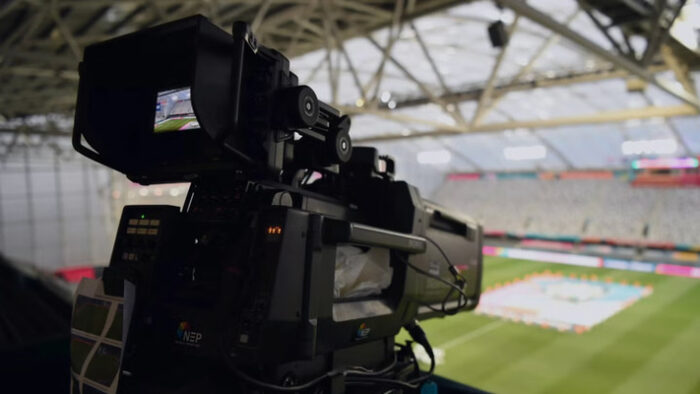
Several Asian football countries, including China, India, Malaysia and Thailand, are yet to secure broadcast rights for the 2026 FIFA World Cup, with the tournament just weeks away.
The delay has raised concerns among hundreds of millions of fans in the region, with unfavourable match timings cited as a major obstacle.
The 2026 World Cup, co-hosted by the United States, Canada and Mexico, kicks off on June 11 with Mexico facing South Africa.
Read Also: Infantino defends N15m World Cup final ticket amid criticism
However, the timing poses challenges for Asian audiences: the opening match and final will begin at 3:00 am in Beijing and Shanghai and at 12:30 am in New Delhi.
Sandeep Goyal, chairman of advertising agency Rediffusion, said late kick-off times could significantly impact viewership and commercial returns.
“The bigger matches are at 12:30 am or 3:30 am. Except for die-hard fans, viewership is likely to be low in India,” he told AFP. “Monetisation opportunities for broadcasters will drop sharply.”
Goyal added that India’s largest media conglomerate, JioStar, had offered around $20 million for the rights, far below FIFA’s reported $100 million asking price for the 2026 and 2030 tournaments.
China, like India, has yet to finalise a deal, despite strong interest. The country accounted for nearly half of global digital and social media viewing hours during the 2022 World Cup, according to FIFA.
State media outlet Global Times noted that state broadcaster CCTV traditionally secures World Cup rights early, making the current delay unusual.
China, India, Malaysia, Thailand yet to seal TV rights weeks to kickoff
In Southeast Asia, Thailand and Malaysia, where football enjoys widespread popularity, have also not confirmed broadcast deals.
Thailand’s National Broadcasting and Telecommunications Commission last year removed the World Cup from its “must-have” free-to-air list, raising uncertainty. However, Prime Minister Anutin Charnvirakul has assured fans they will not miss out.
“Previous governments ensured free access to the World Cup, and my administration should not be an exception,” he said.
Thailand faced similar challenges in 2022 before securing a last-minute $33 million deal backed by state and private funding.
Late match timings and high costs dampen broadcaster interest across region
Despite the uncertainty, industry experts believe agreements will be reached. James Walton, sports business leader at Deloitte Asia Pacific, said such delays are common in broadcast negotiations.
“It is almost unthinkable for most countries not to show the World Cup,” he said. “A deal will be reached one way or another.”
FIFA confirmed it has already secured broadcast agreements in more than 175 countries, adding that negotiations in remaining markets are ongoing.

Join BusinessDay whatsapp Channel, to stay up to date
Open In Whatsapp