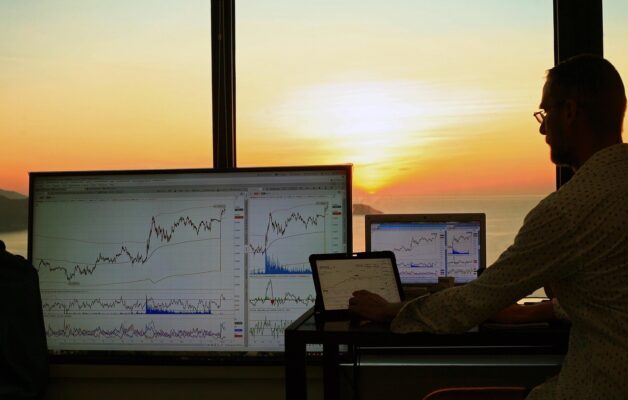
In the fast-paced world of currency trading, information is power. Nigerian forex traders are increasingly turning to advanced analytics, predictive modelling, and large-scale market data to gain a competitive edge. By leveraging big data, they are able to spot trends earlier, reduce emotional decision-making, and improve the accuracy of their trades.
For newcomers exploring how to start forex trading in Nigeria, big data might sound like a tool reserved for large institutions. But in reality, affordable technology and modern trading platforms have made these powerful insights accessible to retail traders as well. The result is a growing community of Nigerians who use data-driven strategies to increase their win rates and reduce costly mistakes.
Understanding Big Data in the Forex Market
Big data refers to extremely large datasets that can be analysed to reveal patterns, trends, and associations especially those related to human behaviour and market movement. In forex trading, this includes:
- Historical price records from multiple timeframes.
- Real-time order flow and market depth.
- Global economic and geopolitical news feeds.
- Statistical performance data on trading strategies.
By processing this information, traders can make decisions based on evidence rather than guesswork.
Why Big Data Matters for Nigerian Traders
The Nigerian forex market is influenced by both global and local factors. Oil prices, Central Bank of Nigeria policy announcements, foreign investment flows, and inflation trends all play a role in how the naira behaves. Big data allows traders to:
- Track correlations between the naira and global commodities like crude oil.
- Identify seasonal patterns in currency movements.
- Measure market sentiment during high-impact news events.
- Test and refine strategies using years of historical performance data.
Practical Ways Nigerians Are Using Big Data
1. Backtesting Strategies
Backtesting involves running a trading strategy through historical data to see how it would have performed in the past. Nigerian traders use this technique to validate strategies before risking real capital, ensuring they are built on proven results rather than speculation.
2. Monitoring Market Sentiment
By analysing news headlines, social media discussions, and economic reports, traders can gauge whether the market mood is bullish or bearish. Sentiment analysis tools help predict how traders worldwide might react to specific events affecting the naira.
3. Predictive Modelling
Some traders are now adopting machine learning models that use historical and live data to forecast short-term price movements. These forecasts are not guarantees but can provide a statistical edge.
Tools Making Big Data Accessible in Nigeria
Until recently, big data analysis required expensive infrastructure. Now, trading platforms and third-party services integrate these capabilities directly:
- Broker-Provided Analytics: Many regulated brokers in Nigeria offer built-in performance analytics and economic calendars.
- API Data Feeds: Traders with coding skills can connect to financial APIs to pull and analyse market data in real time.
- Cloud-Based Trading Tools: Platforms like TradingView and broker mobile apps provide instant access to global charts, indicators, and community analysis.
Case Study: From Guesswork to Data-Driven Wins
A trader in Lagos had been trading EUR/USD and USD/NGN for two years with mixed results. By switching to a data-driven approach, they began tracking how USD/NGN responded to oil price changes and CBN interest rate announcements. Using historical data from the past decade, they found that the naira tended to weaken sharply when global oil prices dropped by more than 3% in a week.
Armed with this insight, the trader began positioning early during such drops, improving their win rate from 48% to 63% over six months.
Challenges in Applying Big Data
While big data offers enormous potential, Nigerian traders also face challenges:
- Data Overload: Too much information can lead to analysis paralysis.
- Cost of Premium Tools: Some advanced analytics services come with subscription fees.
- Technical Skills: Interpreting complex datasets requires learning statistical and charting skills.
The solution is to start small by focusing on a few high-quality data sources and build your expertise gradually.
Risk Management in a Data-Driven Strategy
Even the most advanced analytics cannot eliminate risk. Successful Nigerian traders combine big data with sound money management principles:
- Set clear stop-loss and take-profit levels.
- Avoid over-leveraging positions.
- Diversify across currency pairs and timeframes.
- Review performance regularly and adapt strategies when market conditions change.
The Future of Big Data in Nigerian Forex Trading
The trend towards data-driven decision-making is only expected to grow. As internet speeds improve and more brokers offer integrated analytics, Nigerian traders will have better tools than ever to compete with international counterparts. Artificial intelligence will further refine predictions, while cloud computing will make advanced processing affordable and accessible.
Final Thoughts
Big data has transformed how Nigerian forex traders approach the market. What was once the domain of large banks and hedge funds is now within reach of determined individuals willing to learn and adapt. By using historical analysis, market sentiment tracking, and predictive modelling, traders can increase their win rates and make more confident decisions.
For anyone starting out, combining a solid understanding of the basics with a willingness to embrace data-driven tools could be the difference between inconsistent results and long-term profitability. In today’s competitive market, informed traders are the ones most likely to succeed and big data is proving to be one of their most valuable allies.

Join BusinessDay whatsapp Channel, to stay up to date
Open In Whatsapp