Nigeria’s private education sector – from crèches and primary schools to tertiary institutions – has grown rapidly in recent years, becoming one of the country’s most dynamic industries. What began in the late 1980s as a response to government neglect and economic austerity during the Structural Adjustment Programme (SAP), has since expanded into a multi-billion-Naira enterprise. However, beneath this expansion lies a troubling reality: declining standards, weak regulation, and poor oversight. Despite government efforts to establish benchmarks
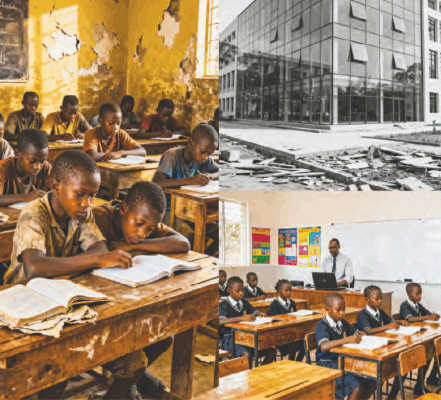
Nigeria’s private education sector – from crèches and primary schools to tertiary institutions – has grown rapidly in recent years, becoming one of the country’s most dynamic industries. What began in the late 1980s as a response to government neglect and economic austerity during the Structural Adjustment Programme (SAP), has since expanded into a multi-billion-Naira enterprise. However, beneath this expansion lies a troubling reality: declining standards, weak regulation, and poor oversight. Despite government efforts to establish benchmarks