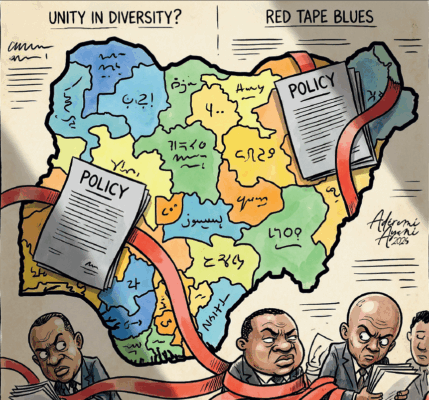
Nigeria stands at a defining moment in its nationhood. As a country of over 500 languages and more than 250 ethnic groups, Nigeria is a linguistic giant not only in Africa but in the world. Yet for decades, this extraordinary richness has been treated as an inconvenience and as a challenge rather than a strategic asset, sustained by outdated myths about identity, language, and the meaning of diversity. Today, those myths are constraining development. Outdated assumptions about language, ethnicity, and geography have
Nigeria stands at a defining moment in its nationhood. As a country of over 500 languages and more than 250 ethnic groups, Nigeria is a linguistic giant not only in Africa but in the world. Yet for decades, this extraordinary richness has been treated as an inconvenience and as a challenge rather than a strategic asset, sustained by outdated myths about identity, language, and the meaning of diversity. Today, those myths are constraining development. Outdated assumptions about language, ethnicity, and geography have