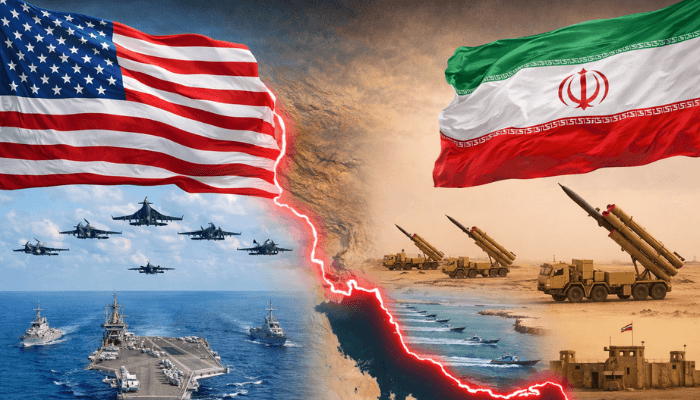
The end of hostilities between the United States, Israel, and Iran would be welcomed across the world. Financial markets often react positively to peace, policymakers signal optimism, and citizens expect relief from rising living costs. However, the end of the war rarely translates into immediate economic recovery. While the guns may fall silent, the structural disruptions to global supply chains continue to reverberate across sectors ranging from oil and agriculture to manufacturing and logistics.
The reality is that geopolitical peace does not automatically produce economic stability. As highlighted in the attached material, the economic “shrapnel” from conflict remains embedded in global production networks long after physical warfare ends.
Supply Chain Disruptions Outlive Conflicts
Modern supply chains are highly interconnected. Oil produced in the Middle East powers factories across Asia, fertilisers derived from natural gas sustain global agricultural output, and manufactured components move across continents before final assembly. When conflict disrupts one part of this system, the effects cascade globally.
Energy markets remain volatile
Energy markets are typically the first transmission channel of geopolitical shocks. Even after the conflict ends, supply cannot immediately return to pre-war levels. Infrastructure damage, delayed maintenance, and recalibrated shipping insurance premiums increase transportation costs.
Shipping through strategic routes such as the Strait of Hormuz remains expensive due to higher perceived risk. Higher fuel costs translate directly into higher logistics costs, which ultimately increase consumer prices across sectors.
For developing economies heavily dependent on imported fuel, sustained energy price volatility weakens currencies and increases inflationary pressures.
Agriculture faces delayed impact
Agriculture is highly sensitive to disruptions in fuel, fertilisers, and logistics networks. Conflict-induced disruptions in fertiliser supply chains affect planting decisions months in advance. The result is reduced crop yields and persistent food price inflation even after peace agreements are reached.
As noted in the attached document, current food shortages are often the result of decisions made in previous planting cycles, illustrating the delayed nature of agricultural supply chain shocks.
Logistics bottlenecks also affect the movement of perishable goods. Refrigerated containers diverted during wartime logistics create shortages in global food distribution systems.
Manufacturing adjusts at a cost
Manufacturing industries built on just-in-time inventory models are particularly vulnerable to supply chain disruptions. Shortages of petrochemical inputs, rare minerals, and semiconductors slow production and increase operating costs.
Many firms are now shifting toward “just-in-case” inventory strategies, increasing warehousing costs and tying up working capital.
Labour displacement caused by geopolitical instability also creates skill shortages in key production hubs, slowing recovery in industrial output.
Financial markets remain cautious
Even after wars end, investor confidence does not immediately return. Heightened geopolitical risk leads to delayed capital investment decisions, tighter credit conditions, and slower economic growth.
Emerging markets often experience capital outflows and currency volatility, further increasing the cost of imports and weakening domestic purchasing power.
Why economic hardship persists
Several structural factors explain why hardship continues even after conflict ends:
• supply chains require time to rebuild trust and operational stability;
• insurance premiums for global shipping remain elevated;
• firms diversify suppliers, increasing short-term costs;
• governments introduce new trade and security protocols;
• Investors maintain cautious outlooks, slowing capital flows.
These adjustments create temporary inefficiencies that increase production and logistics costs globally.
What organisations should do
Organisations must move from efficiency-driven supply chains to resilience-driven models.
Supplier diversification: reducing dependence on single geographic sourcing hubs limits exposure to geopolitical risk.
Strategic inventory buffers: maintaining safety stock for critical inputs reduces vulnerability to disruptions.
Near-shoring: locating production closer to consumer markets reduces dependence on fragile long-distance logistics routes.
Digital visibility: technology-enabled supply chain tracking improves risk management and response time.
Responsible pricing: firms should balance cost recovery with demand stability to maintain long-term market positioning.
These responses are particularly relevant in logistics-dependent economies such as Nigeria, where infrastructure constraints already amplify global supply chain shocks.
What governments must do
Governments must adopt proactive policies to cushion citizens from prolonged economic strain.
Strategic reserves: expanding reserves beyond crude oil to include grains, fertilisers, and essential commodities helps stabilise prices.
Infrastructure investment: improving ports, rail networks, and logistics corridors reduces domestic supply chain inefficiencies.
Agricultural support: targeted fertiliser subsidies and mechanisation support improve domestic food production resilience.
Trade facilitation reforms: reducing bureaucratic bottlenecks lowers import costs and improves supply availability.
Targeted social protection: direct support for vulnerable households helps maintain consumption and reduce economic hardship.
Conclusion
The end of the U.S.–Israel–Iran war would mark an important diplomatic milestone, but it will not immediately resolve global economic hardship. The disruptions affecting oil markets, food systems, manufacturing production, and global trade are structural issues that take time to correct.
As emphasised in the attached material, peace creates the opportunity for recovery but does not guarantee immediate economic relief.
For policymakers and business leaders, the lesson is clear: resilience must become as important as efficiency. Countries and organisations that invest in diversified supply chains, infrastructure, and domestic productive capacity will be better positioned to withstand future geopolitical shocks.
Peace may stop the conflict, but a deliberate strategy is required to restore economic stability.

Join BusinessDay whatsapp Channel, to stay up to date
Open In Whatsapp