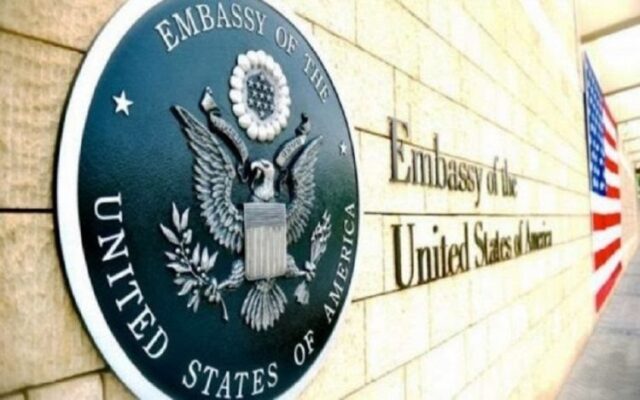
The United States is set to reduce the number of its embassies and consulates across Africa that process visa applications.
According to reports citing US officials and an internal State Department memorandum, Washington plans to streamline its visa operations on the continent by reducing the current network of nearly 50 visa-processing missions to just 20 designated hubs.
The directive was reportedly communicated to American diplomats, including consular chiefs serving across Africa, during a conference call held last Friday.
The decision was approved by Marco Rubio, US Secretary of State, according to officials familiar with the matter and the contents of the memo.
The restructuring, expected to take effect later this month, marks one of the most significant changes to US consular operations in Africa in recent years and comes amid broader efforts by the administration of Donald Trump to tighten immigration controls and reduce government spending abroad.
Under the proposed arrangement, only 20 cities across Africa will serve as visa-processing centres for foreign nationals seeking entry into the United States.
The designated hubs are located in Abidjan (Côte d’Ivoire), Accra (Ghana), Addis Ababa (Ethiopia), Cape Town and Johannesburg (South Africa), Dakar (Senegal), Dar es Salaam (Tanzania), Djibouti City (Djibouti), Kampala (Uganda), Kigali (Rwanda), Kinshasa (Democratic Republic of Congo), Lagos (Nigeria), Lomé (Togo), Luanda (Angola), Malabo (Equatorial Guinea), Monrovia (Liberia), Nairobi (Kenya), Port Louis (Mauritius), Praia (Cape Verde), and Yaoundé (Cameroon).
Read also: Bank of Ghana denies reports of planned sale of $250 million headquarters
For Nigeria, Lagos will remain one of the approved processing locations, preserving the country’s role as a regional visa hub.
However, applicants from countries that lose visa-processing capabilities may be required to travel across borders to complete interviews and biometric procedures.
Industry observers warn that the new arrangement could result in longer waiting times, increased travel expenses, accommodation costs, and more complex logistics for applicants who must journey to another country simply to attend a visa interview.
The development is likely to be felt most acutely in nations with limited air connectivity and high travel costs, where securing appointments at designated hubs could become both expensive and time-consuming.
Despite the changes, consular sections in countries that are not selected as visa-processing hubs will remain operational.
However, their functions will be significantly reduced.
These offices will continue to provide services for US citizens, including passport renewals, emergency assistance, diplomatic visa processing, and a limited number of cases deemed to be in the US national interest.
The restructuring comes amid a broader tightening of US immigration policies affecting several countries, including many in Africa.
In recent months, the Trump administration reportedly recalled ambassadors from more than two dozen countries, with African missions among the hardest hit by the diplomatic reshuffle.
The planned visa reforms also coincide with stricter entry requirements for certain categories of travellers.
US authorities have introduced tougher scrutiny of visa applicants and increased financial requirements in some cases.
Reports indicate that certain African nationals, including Nigerians applying for B1/B2 visitor visas, could be required to provide visa bonds of up to $15,000 under enhanced screening measures aimed at reducing visa overstays.
Several African countries are also currently subject to varying degrees of US travel restrictions.

Join BusinessDay whatsapp Channel, to stay up to date
Open In Whatsapp