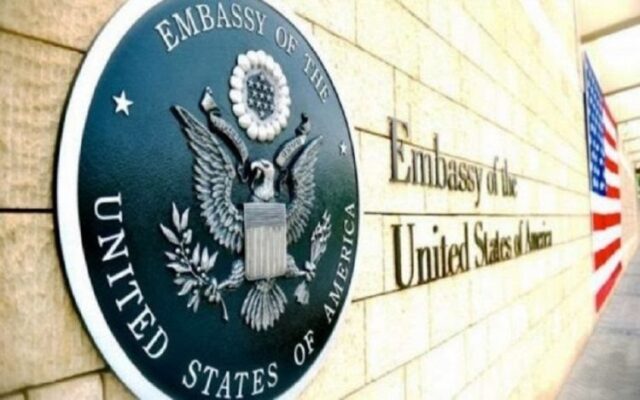
The proposed sweeping reduction of United States visa processing centres across Africa, which looks set to strip the Abuja Embassy of its operations, will place an unprecedented operational burden on the consulate in Lagos.
Under a new directive approved by US Marco Rubio, US Secretary of State, Washington is restricting its African visa operations to just 20 designated regional hubs. While Lagos has survived the consolidation, Abuja is conspicuously absent from the list, meaning all domestic visa traffic, alongside applications from neighbouring West African nations losing their local services, will now converge on Nigeria’s economic capital.
The geopolitical shift has drawn analysis from industry experts, who view the consolidation through both economic and tactical lenses. Francis Ekpenyong, on a Facebook post pointed out that the sheer volume of daily applicants creates a massive, self-sustaining revenue stream that the US government will be keen to protect, noting that even a conservative estimate of 2,000 applicants a day translates to roughly 10,000 appointments per week.
Read also:US Embassy evacuation signals ‘bad omen’ for Nigeria – Peter Obi
Ekpenyong highlighted the financial velocity behind the current system, stating:
“This is for the economic benefits, 2000 applicants applied and are booked for interview daily, how many get a visa is a discussion for another day, 2000 X 5 days (Monday – Friday) that’s 10,000. American Visa Fees paid directly in the bank are about N100,000, the last I checked. I am not sure if it’s still the same, now do the math 10000 X N100,000 per week, One will do anything and everything to keep such an agency flowing.”
Meanwhile, John Ojikutu, an aviation security expert, argued that the decision is fundamentally grounded in security intelligence, suggesting that Washington’s contemporary threat assessments favour the relative safety of the Lagos consulate over the federal capital.
From a security standpoint, however, the restructuring appears less about revenue and more about risk mitigation. Commenting on the heightened risks in the capital, Ojikutu remarked:
“With Lagos likely to take on the sole responsibility in Nigeria, these traffic numbers will surge significantly. The US Threat Assessment about Nigeria in particular today must have shown that it safer for its Embassy Administration to remain in the Lagos Consulate Office than the Embassy in Abuja. Remember how the Abuja Embassy was attacked about 10 years ago, when the threat assessment in the country was not as high as it is today. For the US, the more you look, the more you see, except you are blind.”
Regardless, the broader implications will translate to a massive influx of visa applicants to Lagos, with surging wait times, logistical bottlenecks, and regional pressure.

Join BusinessDay whatsapp Channel, to stay up to date
Open In Whatsapp