Stockholm-based Truecaller is taking a strategic step beyond its core caller identification and spam protection business with the launch of a travel eSIM service across 29 countries , a move that could reshape how its more than 500 million users stay connected while travelling.
The expansion marks a notable pivot: from being a layer of protection in global communications to becoming a direct provider of mobile data services. In effect, Truecaller is moving closer to the infrastructure of connectivity itself.
Turning trust into transactions
For years, Truecaller built its value proposition on trust, filtering out spam, verifying identities, and becoming a default utility on smartphones across emerging and developed markets. The eSIM launch leverages that trust in a new way: monetising travel connectivity, a category long dominated by roaming charges, airport SIM vendors, and fragmented telecom agreements.
The impact is structural. Instead of users turning to multiple telecom providers when they travel, Truecaller is attempting to sit in front of that decision entirely, offering a single, digital-first entry point for connectivity before departure.
This shifts the company from an “app utility” into a potential distribution layer for global mobile data consumption.
Challenging the roaming economy
International roaming remains one of the most consistently criticised parts of mobile telecom pricing. Travellers routinely overpay for limited data access or arrive in new countries temporarily disconnected.
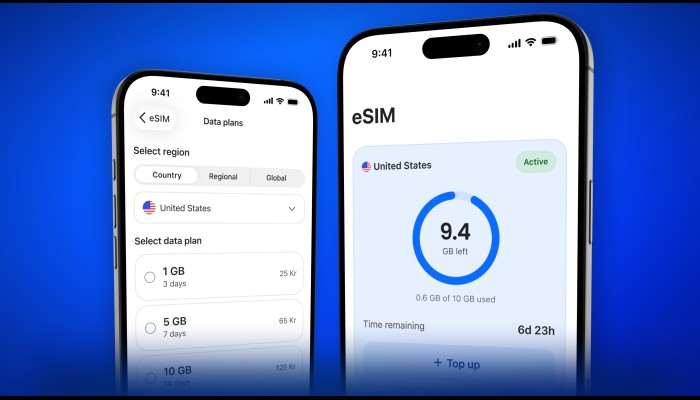
Truecaller’s eSIM product, offering plans from 1GB over seven days to 20GB over 30 days, targets that gap directly by removing physical SIM cards and enabling instant activation within minutes.
The broader impact here is competitive pressure on roaming-dependent revenue models. While telecom operators still control underlying infrastructure, digital intermediaries like Truecaller are increasingly shaping how users access those networks.
Expanding beyond communication software
The launch also signals a wider industry trend: communication platforms evolving into service ecosystems.
By introducing digital consumables like eSIM data, Truecaller is stepping into adjacent telecom economics, a space where margins can be higher and user engagement extends beyond messaging and call filtering into travel behaviour, cross-border mobility, and digital payments for connectivity.
If successful, this could reposition the company from a defensive communication tool into a proactive travel infrastructure brand, one that sits alongside airlines, fintech apps, and travel platforms in shaping the international mobility experience.
Market reach and early footprint
The service is already available across 29 countries, including Nigeria, the United States, United Kingdom, Germany, France, India, South Africa, and several major European and Asia-Pacific markets.
By including both high-income travel corridors and emerging markets with rising outbound travel demand, Truecaller is effectively testing whether its user base translates into a global commerce layer.
The deeper impact of the move lies in its scalability. If Truecaller can convert even a fraction of its 500 million users into recurring travel connectivity customers, it gains a new revenue stream that is both usage-based and globally distributed.
For now, the launch positions Truecaller at an inflection point, from protecting communication to owning part of how it is delivered.

Join BusinessDay whatsapp Channel, to stay up to date
Open In Whatsapp