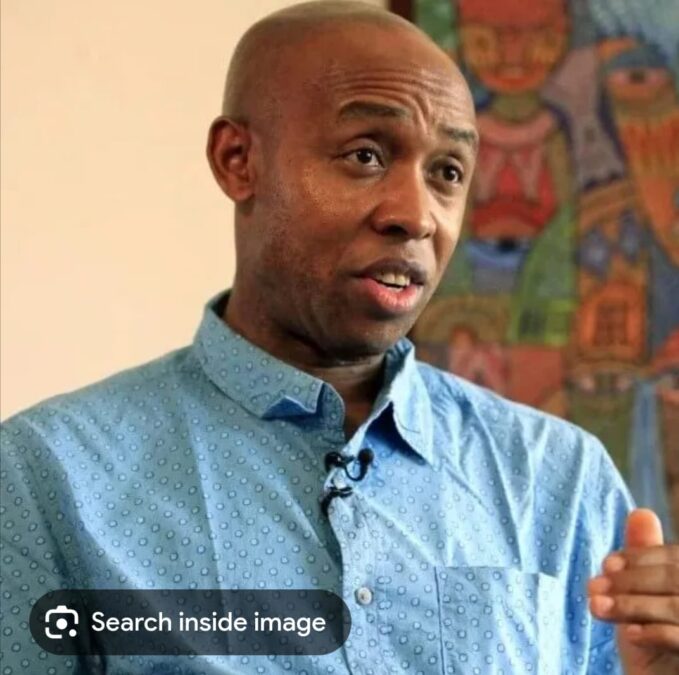
A fresh political storm has erupted after Chidi Odinkalu, human rights lawyer and former chairman of Nigeria’s National Human Rights Commission, alleged that President Bola Ahmed Tinubu is pursuing a plan to remain in office until 2037 through a constitutional amendment that would create an unprecedented six-year third term.
The explosive allegation has revived memories of Nigeria’s failed third-term bid under former President Olusegun Obasanjo and sparked fresh debate over the future of the country’s constitutional democracy.
Odinkalu claimed that after completing the two four-year terms permitted under Nigeria’s Constitution, Tinubu intends to secure a six-year mandate beginning in 2031, extending his presidency to 2037. “There will be a third term under Tinubu. Tinubu wants a six-year third term starting in 2031 and intends to remain in power until 2037,” he said.
The allegation comes as political discussions around constitutional reforms and preparations for the 2027 general election continue to gather momentum. However, neither the Presidency nor the ruling All Progressives Congress (APC) has publicly announced or endorsed any proposal seeking to extend presidential tenure or permit a third term.
Nigeria’s 1999 Constitution expressly limits the president to a maximum of two four-year terms. Altering that provision would require a constitutional amendment approved by two-thirds of both chambers of the National Assembly and ratified by at least 24 of the country’s 36 state Houses of Assembly.
Although Odinkalu did not provide evidence to support his assertion, his remarks have quickly gained traction across political circles and social media, where supporters and critics have offered sharply divided reactions. The claim has also reignited concerns among civil society groups and constitutional scholars over the sanctity of Nigeria’s democratic institutions.
The controversy recalls the failed constitutional amendment effort during Obasanjo’s administration in 2006, when a proposal widely believed to be aimed at securing a third presidential term was overwhelmingly rejected by the National Assembly following intense opposition from lawmakers, civil society organisations and pro-democracy groups.
Political analysts say any future attempt to alter presidential tenure limits would almost certainly provoke fierce public resistance and face significant constitutional, legal and political obstacles. Beyond securing the required legislative votes, any such amendment would likely be subjected to rigorous public scrutiny and judicial interpretation.
The allegation also comes against the backdrop of heightened political realignments ahead of the 2027 elections, with opposition parties accusing the ruling APC of consolidating power, while the government maintains that its focus remains on implementing economic reforms and improving governance.
As of the time of filing this report, the Presidency had not responded to Odinkalu’s allegation, and there is no publicly available constitutional amendment bill before the National Assembly proposing a six-year presidential term or a third term for the office of the president.
If any such proposal were to emerge, constitutional experts say it would have to pass one of the most demanding amendment processes in Nigeria’s democratic history, making its eventual adoption far from certain.

Join BusinessDay whatsapp Channel, to stay up to date
Open In Whatsapp