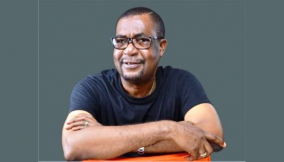
Mahmood Yakubu, the immediate past chairman of the Independent National Electoral Commission (INEC), says that technology has strengthened electoral transparency, but it cannot by itself guarantee credibility.
Yakubu stated this in the forward of a newly released report: Election Management in Nigeria: 2015–2025 (INEC, July 2025).
“Technology can only complement integrity, not replace it,” he said. “The Commission must continue to build confidence, expand inclusivity, and stay ahead of threats to the conduct and management of elections.”
Beyond technology, the report identified electoral violence, vote-buying, logistics failures, and conflicting court orders as persistent obstacles to credible elections.
It also notes attacks on INEC facilities and threats to personnel across several states.
According to the report, digital tools significantly improved voter verification and transparency but were still constrained by human, technical, and institutional challenges.
The Bimodal Voter Accreditation System (BVAS), which authenticates voters using fingerprints and facial recognition, curbed multiple voting and impersonation but struggled with poor network connectivity and technical hitches in several polling units.
Read also: Nigerian herbal medicines can meet global standards with proper testing – NAFDAC DG
Similarly, the INEC Result Viewing Portal (IReV), designed to publish real-time results from polling units, faced backlash during the 2023 presidential election when uploads were delayed — a situation INEC later attributed to “technical glitches and server synchronisation issues.”
As preparations begin for the 2027 general elections, analysts argue that BVAS and IReV remain crucial but insufficient.
They insist that Nigeria’s electoral future depends on political will, institutional accountability, and respect for due process as much as on digital innovation.
BVAS and IReV have shown what technology can achieve; Nigeria’s next task, experts say, is proving what integrity can sustain.

Join BusinessDay whatsapp Channel, to stay up to date
Open In Whatsapp