Stakeholders at the Kano State Rural and Sustainable Community Development Summit (RUSCODS-2026) have called for stronger regional collaboration and community-driven initiatives to address development challenges at the grassroots, describing partnership as critical to achieving the Sustainable Development Goals (SDGs) by 2030.
The call formed the major outcome of the two-day summit, themed “Sustainable Development Without Borders: Partnership for Attaining Global Goals 2030 – Kano State Perspective,” which opened on Monday in Kano.
The summit brought together policymakers, development partners, non-governmental organisations (NGOs), civil society groups, academics and community leaders to deliberate on strategies for accelerating rural transformation and sustainable development.
Participants, through a series of technical presentations and panel discussions, stressed that no single tier of government could effectively tackle rural poverty, climate change, inadequate infrastructure and social inequalities without strong collaboration among communities, neighbouring states, development agencies and the private sector.
The presentations focused on sustainable rural development, climate resilience, agricultural productivity, local governance, community participation and innovative financing for development, while panellists advocated greater regional integration in implementing projects that cut across state and local government boundaries.
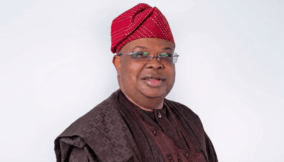
Representing Governor Abba Kabir Yusuf at the event, Umar Farouk Ibrahim, Secretary to the Kano State Government, reaffirmed the administration’s commitment to expanding rural development programmes, improving public services and promoting inclusive economic growth.
According to Ibrahim, sustained investments in critical sectors have continued to improve the living conditions of rural residents across the state.
He said the government had recorded significant progress in the provision of rural water supply, agriculture, education, healthcare, rural electrification and environmental sustainability.
Ibrahim explained that expanding access to clean and safe drinking water remains a major priority of the administration, particularly in communities where women and children have traditionally travelled long distances in search of water.
He said the intervention had improved public health while reducing the burden on vulnerable households.
On agriculture, Ibrahim said the government had intensified support for farmers through the distribution of improved seeds and fertilisers, extension services, irrigation projects and other interventions aimed at boosting productivity and strengthening food security.
He added that the administration was also promoting agricultural value chains, encouraging agro-processing and creating employment opportunities for rural youths.
The Secretary to the State Government said investments in education had led to the construction and renovation of classrooms, the provision of instructional materials and the recruitment of qualified teachers, especially in underserved communities.
According to him, improvements have also been recorded in the healthcare sector through the upgrading of primary healthcare centres, provision of medical equipment, expansion of maternal and child healthcare services and increased access to essential medicines.
He further said rural electrification projects had stimulated economic activities, improved livelihoods and supported the growth of small businesses in communities that previously lacked a reliable electricity supply.
Ibrahim noted that the state’s skills acquisition programmes and partnerships with development organisations had expanded employment opportunities for women and youths, while environmental protection initiatives, including erosion control, climate adaptation projects and community sensitisation campaigns, were enhancing resilience in rural communities.
He emphasised the need to strengthen community development structures to enable residents to participate actively in identifying priorities and implementing sustainable development initiatives.
In his opening remarks, Abdulkadir Abdulsalam, Commissioner for Rural and Community Development, said the administration of Governor Abba Kabir Yusuf had made remarkable progress in rural and community development through people-oriented policies and infrastructure investments.
Abdulsalam, however, acknowledged that rapid population growth, climate change and infrastructure deficits remained major challenges requiring sustained investment, innovation and stronger collaboration among stakeholders.
He described the summit as an opportunity to review existing development strategies, identify emerging challenges and chart new pathways for accelerating rural transformation across Kano State.
The commissioner urged stakeholders to focus on building sustainable institutions rather than temporary structures and called for successful development models to be replicated across local government areas.
He reiterated the state government’s commitment to implementing policies and programmes that would improve infrastructure, expand economic opportunities, strengthen social services and promote inclusive and sustainable development across Kano State.
The summit continues on Tuesday with additional technical sessions, panel discussions and policy dialogues expected to produce recommendations for strengthening rural development partnerships and accelerating progress towards the 2030 Sustainable Development Goals.

Join BusinessDay whatsapp Channel, to stay up to date
Open In Whatsapp