A. Security Incident: Message in live bullets threat against FirstBank Managing Director
Summary: Public outrage has erupted following confirmation that FirstBank’s Managing Director and CEO, Oluwasegun (Olusegun) Alebiosu, received a suspicious parcel containing live ammunition—an incident widely condemned across traditional and social media platforms as a grave threat to corporate leadership.
Official Confirmation:
Lagos State Commissioner of Police, Tijani Fatai, publicly confirmed during a press briefing on June 23, 2026, at the command headquarters in Ikeja that Alebiosu reported receiving a suspicious package containing two rounds of 7.62mm live ammunition, concealed in an envelope without any accompanying note, message, or sender identification.
Key Incident Details
-Delivery Method: The parcel was dispatched to Alebiosu’s residence (reportedly in Ikoyi, Lagos) via a dispatch rider
– Initial Handling: Security personnel at the residence received the package, which was marked “confidential” and addressed directly to the CEO
– Discovery: Upon opening the envelope, Alebiosu discovered the live ammunition
– Reporting Timeline: The incident was formally reported to police on May 7, 2026
-Investigation Status: Lagos State Police Command has launched a full investigation, describing the case as “serious.” Detectives are currently tracing the dispatch rider, though no arrests have been made. Alebiosu has reportedly shared potential suspects with law enforcement
– Cultural Context: Some commentators have drawn interpretive connections to traditional Yoruba “Aroko” (non-verbal warning symbols), though this remains speculative
B. Trending Topics in Nigerian Social Media
**Period:** June 18-23, 2026
**Platforms:** X (formerly Twitter) remains the dominant platform for public discourse
Overview
Nigerian social media is currently characterised by a complex mix of economic frustration, political anticipation ahead of the 2027 elections, security concerns, and viral local content. Discourse frequently blends criticism of the current administration with everyday hardship narratives, punctuated by entertainment and folklore discussions.
1. Economic Hardships and Fuel Price Crisis
Dominant Themes:
– Persistent complaints regarding high living costs and inflation (currently ~15.93% as of May 2026)
– Fuel prices hovering around ₦1,300/litre, despite global crude oil trading at approximately $71/barrel
– Widespread poverty affecting over 130 million Nigerians in multidimensional poverty
– Growing disconnect between government reforms (subsidy removal, naira float) and ground-level realities
– Rising food prices, unemployment, and diminishing purchasing power
Public Sentiment:
Citizen scepticism about future improvements remains high, with recent polls indicating significant doubt about better economic conditions in the next five years. Voter apathy and frustration toward the 2027 elections are increasingly evident in online discussions.
2. Politics and 2027 Election Preparations
Critiques of the Tinubu Administration:
– Frequent accusations of governance failures and ineffective leadership on security and economic fronts.
– FAAC allocation increases (e.g., Lagos +252%, Kano +139%) are defended by supporters as reform successes
– Critics highlight inflation and accountability concerns, questioning spending priorities
Opposition and Future Alignments:
– Peter Obi maintains strong popularity, with favourable polling contrasts and ongoing speculation about 2027 political alignments
– Broader discussions on democracy, North-South dynamics, and lessons from past elections
– Mentions of potential ADC/Amaechi partnerships in broader political discourse
Key Debates:
– Accountability in governance
– Regional power dynamics
– Electoral integrity and reform
3. Security and Insecurity
Ongoing Concerns
– Banditry and kidnappings (including school abductions) remain top of mind
– Boko Haram insurgency and Fulani militia violence across regions
– General national instability narratives and government response critiques
– Public frustration with perceived inadequate security measures
Impact on Discourse:
These security concerns reinforce broader narratives of institutional failure and contribute to the general atmosphere of anxiety in public forums.
4. Digital Broadcasting Transition (DSO)
Nigeria successfully joined the digital broadcasting landscape on June 17, 2026, following several previous unsuccessful attempts. This milestone has sparked:
– Stakeholder consultations and industry discussions
– Government commitments to digital infrastructure development
– Cybersecurity considerations in the new digital ecosystem
– Mixed public reactions to the transition’s pace and implementation
5. Viral and Local Stories
Supernatural Mysteries:
– A story about a mysterious woman appearing in Ikorodu (Lagos) before the Oró Festival, with claims of supernatural features, went viral
– Increased interest in urban legends and folklore
Lagos Urban Issues
– Sanitation complaints, particularly around Ikota in Lekki
– Growing frustration with environmental degradation
Lifestyle and Entertainment:
– Abuja beauty and luxury real estate features (multi-billion-naira properties)
– Music video releases and Netflix trend discussions
– Celebrity news and cultural commentary
Overall Tone: Public sentiment balances between frustration and “cruise” (humorous venting), resilience, calls for accountability, and patriotic expressions. Politics and the economy drive the highest engagement, while local and viral stories foster community bonding. Trends remain dynamic—sports events (especially football) and fresh scandals often drive rapid shifts in public attention.
C. The Future is Physical: “Top 10 Emerging Technologies of 2026” (WEF Report)
The World Economic Forum’s latest report, published on June 23, 2026, highlights a pivotal shift: technology is moving from the digital world into the physical world.
Key Theme: Eight of the ten listed technologies directly interact with physical systems, signalling a move toward decentralised, personalised, and resource-efficient solutions.
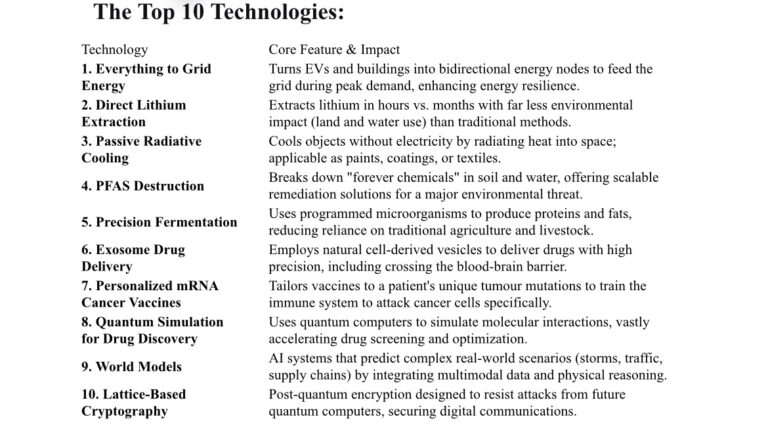
Strategic Implications:
• Energy & Sustainability: The focus on grid efficiency and lithium extraction indicates a rapid shift towards sustainable energy infrastructure.
• Healthcare: Precision medicine (vaccines, drug delivery) is becoming commercially viable, promising a massive shift in treatment paradigms.
• Manufacturing & Food: Decentralized production (fermentation) and quantum-powered R&D will disrupt supply chains and manufacturing processes.
D. Strategic Recommendations & Forward-Looking Insights
1. Security Protocols (Immediate): Review and reinforce physical and mail security protocols for all C-suite executives. The “Aroko” interpretation of the threat highlights a need for cultural intelligence in threat assessment.
2. Brand Narrative: In the face of economic hardship, corporate communications should focus on concrete actions that support customers and communities (e.g., SME support, financial literacy). Avoid appearing tone-deaf to the current “pains” of the populace.
3. Innovation Watch: The shift to “physical” technologies suggests the next competitive advantage will come from hardware and process efficiency. Organisations should begin piloting or researching Passive Radiative Cooling (for data centres) and Precision Fermentation (for supply chain diversification).
4. Cybersecurity Horizon: With Lattice-based Cryptography on the horizon, begin assessing data that needs long-term security (e.g., financial records, IP). The future risk of “harvest now, decrypt later” is a genuine threat.
5. Stakeholder Engagement: In the lead-up to 2027, maintain a non-partisan stance while actively engaging in policy dialogues that promote economic stability and security.
Overarching Trends
1. Shift from Software to Physical World
– Eight of the ten listed technologies directly interact with physical systems across energy, medicine, manufacturing, and materials
– Marks a significant evolution from previous years’ software-focused innovations
2. More Personal
– Technologies increasingly tailored to individuals
– Examples: patient-specific vaccines and exosome therapies
3. More Decentralised
– Production of energy, food, and other essentials moves closer to end users
– Reduces reliance on centralised infrastructure
4. More for Less
– Achieving greater outcomes with fewer resources
– Examples: cooling without electricity, protein without livestock, lithium with less water.
Key Takeaway
The 2026 emerging technologies represent a fundamental shift toward practical, resource-efficient solutions that address critical global challenges in energy, health, and environmental sustainability. These innovations are already entering early commercial deployment or pilot phases, suggesting their potential for rapid real-world impact in the coming years.
Sources: Nigerian Police Command Press Briefing (23 June 2026); Social Media Monitoring (X/Twitter, 18-23 June 2026); World Economic Forum “Top 10 Emerging Technologies of 2026” Report (23 June 2026).

Join BusinessDay whatsapp Channel, to stay up to date
Open In Whatsapp