…say killing of Al-Minuki will shake terror networks
Security experts have described the reported killing of Abu-Bilal al-Minuki, identified as a senior Islamic State commander operating within the West African and Sahel region, as a major breakthrough in Nigeria’s counter-terrorism campaign, while warning that extremist groups may attempt retaliatory attacks in response.
Speaking with BusinessDay in Abuja on Saturday, former Director-General of the Department of State Services (DSS), Mike Ejiofor, said the elimination of top terrorist leaders would significantly weaken extremist groups, even if it may not completely eradicate their ideology.
According to him, dismantling the leadership structure of terrorist organisations disrupts command and coordination among fighters.
“To cripple them may not completely eliminate them, but once you begin to cripple their leadership, you are making huge success.
“When there is no leadership, the foot soldiers will not have commanders to give directives and instructions, and that weakens the followership”, he said.
Ejiofor, however, cautioned that security agencies must remain vigilant because extremist groups could attempt revenge attacks following the operation.
“With the killing, we should also expect some consequences because they may want to retaliate. Security forces must remain vigilant and be on the lookout for attacks on communities,” he stated.
He described the operation as a “targeted and coordinated” strike against a senior terror figure, noting that it differed from previous military offensives against Boko Haram and Islamic State’s West Africa Province (ISWAP) that often focused on casualty figures and territorial recoveries.
“This is not like where you see Boko Haram camps and begin to talk about casualties or collateral damage. This is a targeted operation against one of the leaders, and that is quite commendable,” he added.
The former DSS boss also stressed the need for sustained collaboration between Nigeria and international partners, especially the United States, to intensify efforts against extremist networks operating across the Sahel region.
He noted that instability in countries such as Mali, Burkina Faso and Niger has complicated regional security coordination, particularly after the withdrawal of some Sahel states from The Economic Community of West African States (ECOWAS) structures.
“It is a well-known fact that ISIS is operating within the Sahel and in many parts of the world. There should be coordinated efforts and collaboration among countries.
“The pulling out of Mali and Burkina Faso from ECOWAS is taking its toll on collaboration, but I think we should intensify cooperation”, Ejiofor said.
He added that continued publication of operational successes could have psychological effects on both citizens and insurgents.
“As security agencies continue to publish the results of these operations, it will boost public confidence in government and also weaken the morale of the fighters,” he said.
Also speaking, Chidi Omeje, Abuja-based security analyst, said the elimination of a senior ISIS commander would slow the momentum of extremist operations, even if it may not completely destroy terrorist ideology.
“It doesn’t work that way. It may not completely end the ideology, but it will slow down their momentum,” Omeje said.
He described the slain commander as a major operational figure allegedly linked to several terrorist activities, including the Dapchi abduction.
“He was one of their top commanders and affiliated with the global ISIS network. Eliminating him is a big deal for the entire counter-terrorism operation,” he said.
According to Omeje, the significance of the operation lies in the level of the target.
“We are talking about the deputy leader of ISIS in the West African provincial region. The fact that you have eliminated him means you have disrupted coordinating efforts, operational planning, and connections.
“He is gone with all his plans, ideas, coordinating efforts and networks”, he explained.
The analyst dismissed suggestions that Nigerian authorities had failed to detect the commander’s presence earlier, arguing that asymmetric warfare and the fluid movement of insurgent operatives make detection difficult without actionable intelligence.
“This is what intelligence work is about. You may not know these people are around until intelligence reveals it.
“These guys are very fluid. He may not even have been in Nigeria all the time. They move across countries and operate covertly”, he said.
Omeje said the operation also demonstrated Nigeria’s growing value as a strategic partner in international counter-terrorism operations.
“It shows Nigeria is a worthy partner of the United States. The collaboration and acknowledgement from the US side demonstrate that Nigeria is not sleeping but actively working,” he said.
He described the mission as “a triumph of partnership” between both countries.
On the next steps for Nigerian security forces, Omeje urged authorities to sustain operational momentum and continue targeting high-ranking commanders within terrorist networks.
“To sustain the tempo, keep the partnership with the US working, maintain troop focus, and if possible, go deeper and take out more commanders.
“If you take out their heads, many of them will scatter”, he said.
He acknowledged that terrorism could not be eliminated overnight but said consistent military pressure would gradually weaken insurgent groups.
“If we keep decimating their numbers and taking out their commanders, then we are approaching where we want to be,” he stated.
Omeje further described the Sahel region as an “epicentre of global terrorism,” citing worsening instability in Mali, Burkina Faso and Niger Republic.
“The geopolitics of the Sahel is a mess. The region has become a hub for terrorist networks and commanders,” he said.
According to him, intelligence-sharing and technology-driven operations involving international partners remain critical to tracking and neutralising extremist leaders operating across borders.
Both experts agreed that one major indicator of the operation’s long-term success would be whether terror attacks reduce in frequency in the coming weeks and months.
“We should watch how the terrorists respond.
“The fact that these commanders have been taken out will create disarray within their ranks, and Nigeria, in partnership with the US, should take advantage of that confusion to deal further blows to them”, Omeje said.
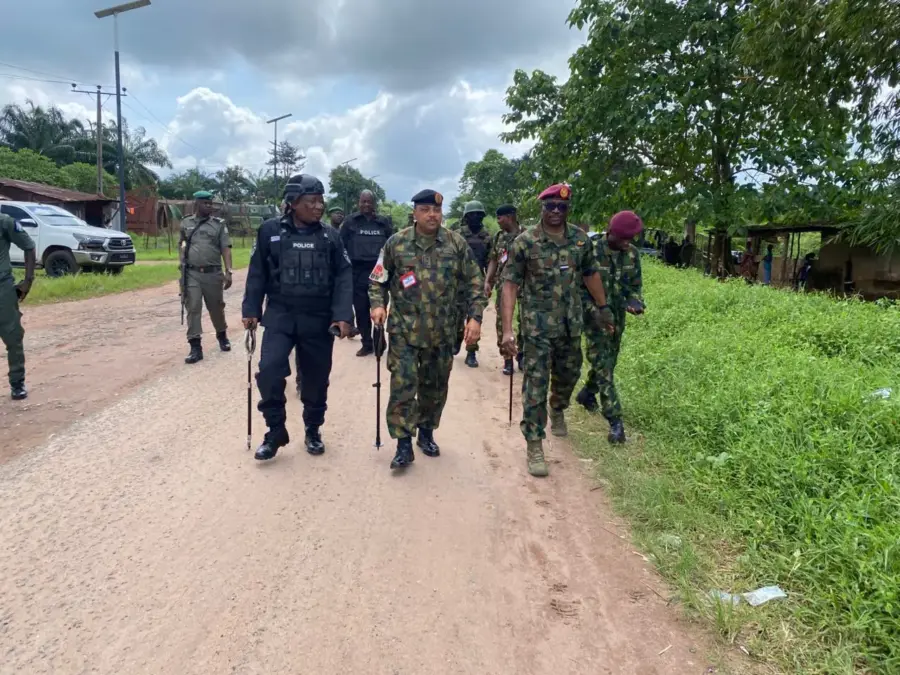
The Federal Government confirmed the killing of Al-Minuki, during a joint military operation conducted by Nigerian forces and the United States Africa Command in the Lake Chad region.
The Ministry of Foreign Affairs said the operation followed extensive planning and intelligence coordination between both countries and targeted Al-Minuki over his alleged role in recent attacks on military formations in Nigeria’s North-East.
In a statement issued in Abuja by Kimiebi Ebienfa, ministry’s spokesperson, the government described the operation as a major breakthrough in ongoing counterterrorism efforts across the Lake Chad Basin.
Although officials did not disclose the exact location of the raid or whether other fighters were killed or captured, authorities said the operation dealt a significant blow to extremist networks operating around Nigeria, Niger, Chad and Cameroon.
The Lake Chad region has remained a major conflict zone for years, with insurgent groups such as ISWAP and Boko Haram carrying out repeated attacks on military bases, civilian communities and humanitarian workers.
Security officials said Al-Minuki was believed to have coordinated several recent assaults against Nigerian troops as the military intensified operations against insurgents across the North-East.
President Bola Tinubu was commended for his commitment to national security and also praised the United States government for its continued military partnership with Nigeria.
The operation comes amid growing security cooperation between both countries, including recent deployment of US surveillance drones, intelligence-sharing initiatives and joint counterterrorism training programmes.
Military authorities said the successful elimination of Al-Minuki demonstrates Nigeria’s determination to confront terrorism and dismantle extremist infrastructure threatening regional stability.
The Defence Headquarters also praised officers involved in the operation for their professionalism and reaffirmed the commitment of the Armed Forces to ongoing operations aimed at protecting civilians and restoring peace across the country and the wider Sahel region.
Share
Join BusinessDay whatsapp Channel, to stay up to date