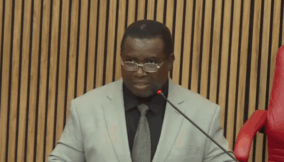
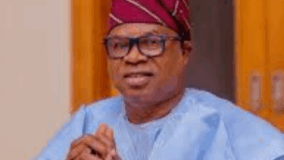
A fresh war of words has erupted over President Bola Ahmed Tinubu’s leadership, as an aide to former Vice-President Atiku Abubakar says Nigerians are judging the administration by economic realities rather than political rhetoric ahead of the 2027 elections.
Phrank Shaibu, reacting to recent remarks by Aviation Minister Festus Keyamo, dismissed claims that Tinubu remains politically unassailable, insisting that past victories in opposition politics cannot substitute for present governance outcomes.
Keyamo had earlier praised Tinubu’s political acumen, describing him as a master strategist who is “100 steps ahead” of opposition figures. In a post on X, the minister argued that Tinubu’s rise from opposition ranks to the presidency demonstrates a deep understanding of political manoeuvring, claiming that current opposition tactics are drawn from the president’s own playbook.
But Shaibu countered sharply, arguing that governance is not a contest of political chess but a responsibility measured by tangible results. According to him, the narrative of Tinubu’s political invincibility is increasingly out of touch with the daily struggles faced by Nigerians.
He said citizens are less concerned about who outmanoeuvred whom in past political battles and more focused on pressing issues such as rising hunger, persistent insecurity, and the soaring cost of living. Shaibu maintained that any claim of being “100 steps ahead” should translate into improved living conditions, not political storytelling.
“The myth of invincibility is often the last refuge of a failing narrative,” he said, adding that leadership must be evaluated by its impact on citizens’ welfare rather than historical political achievements.
The Atiku aide further argued that the current administration appears to be struggling to keep pace with the scale of Nigeria’s socio-economic challenges. He pointed to widespread hardship and declining living standards as indicators that governance is falling short of expectations.
Shaibu also criticised what he described as a disconnect between government messaging and the lived realities of ordinary Nigerians. He said citizens are grappling daily with empty incomes, unsafe communities, and diminishing economic prospects, conditions he argued cannot be masked by political rhetoric or strategic positioning.
“Governance is not a masterclass in manipulation, it is a test of compassion, competence, and courage,” he said, stressing that effective leadership should prioritise food security, safety, and dignity for citizens.
He concluded that while history may celebrate political battles and strategic victories, the present moment demands accountability based on performance. According to him, no amount of narrative-building can obscure the realities confronting Nigerians, who, he said, are increasingly judging the administration by outcomes rather than promises.
The exchange underscores intensifying political tensions as actors begin to position themselves ahead of the next electoral cycle, with debates shifting from political dominance to the real-world impact of policies on citizens’ lives.

Join BusinessDay whatsapp Channel, to stay up to date
Open In Whatsapp