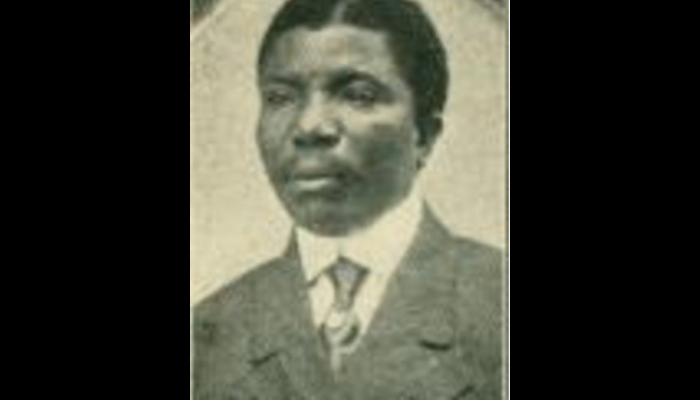
There are men who make money, and there are men who make history visible. Samuel Herbert Pearse did both. Long before glass towers and corporate logos came to dominate Marina, before Lagos became a roaring commercial capital of banks, boardrooms and relentless ambition, Pearse had already understood a fundamental truth about power: wealth means little until it leaves a mark on the landscape. He was not merely a trader who prospered. He was a merchant who returned to Lagos determined to be seen — and to build something the city would never forget.
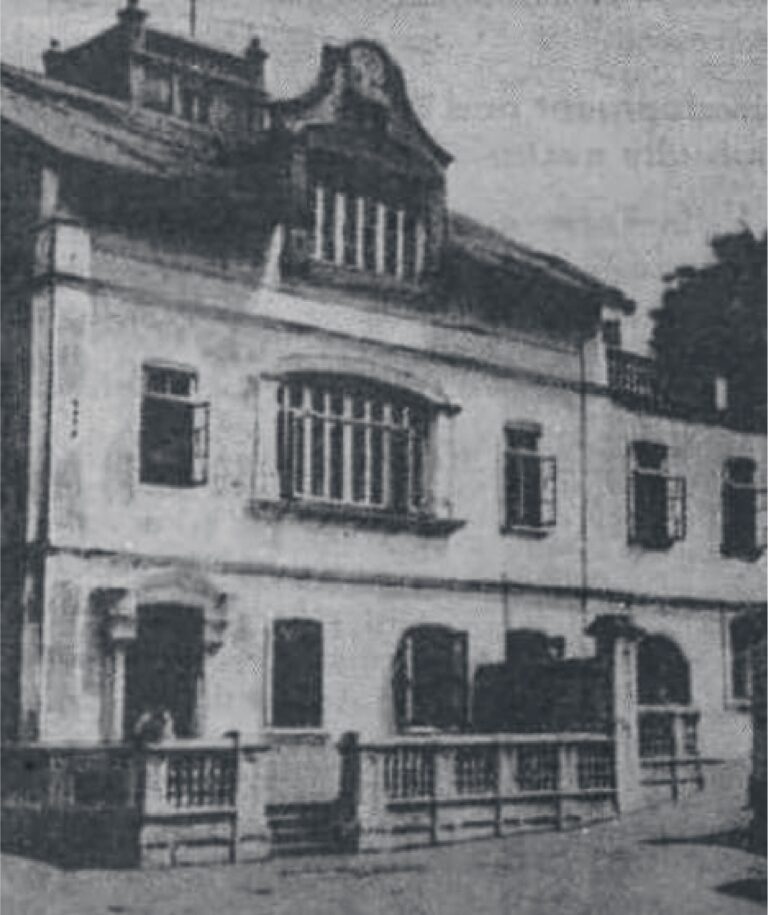
That something was Elephant House. At the junction of Broad Street and Oke Olowogbowo Street, in the heart of colonial Lagos, Pearse built a residence so striking that it entered the city’s folklore. It was more than a home. It was a statement — a monument to a man who had gone into the commercial frontier, amassed a fortune in the ivory trade, and returned not as a participant in Lagos society, but as one of its defining figures.
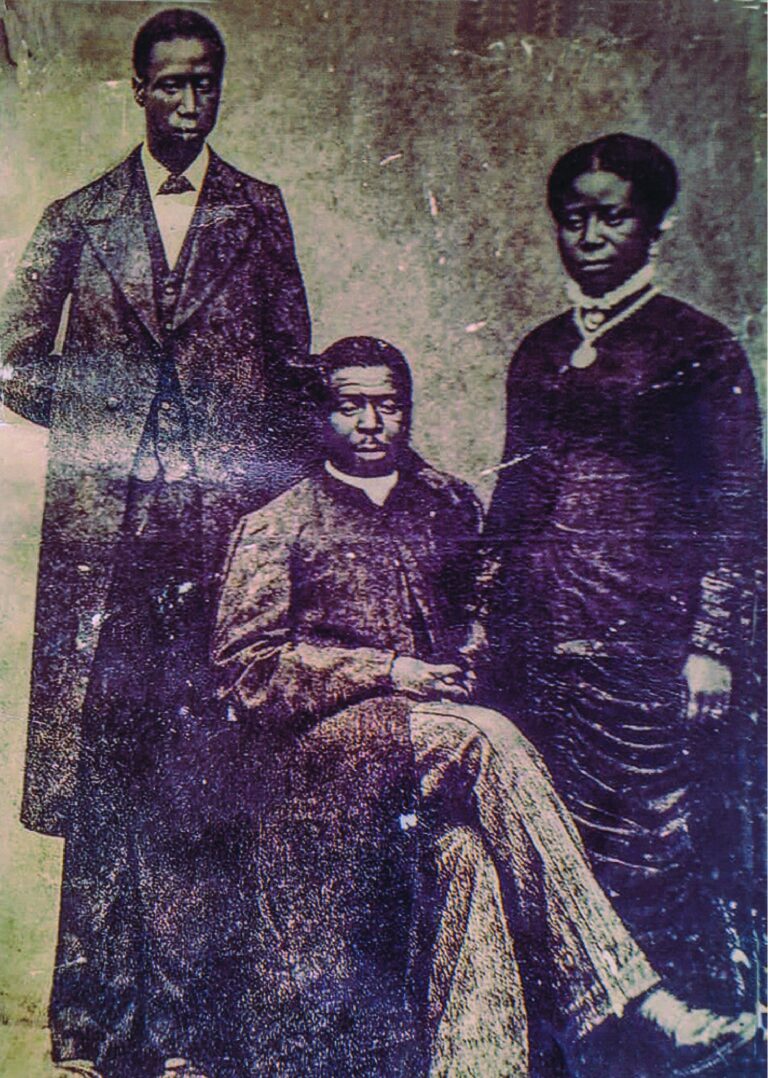
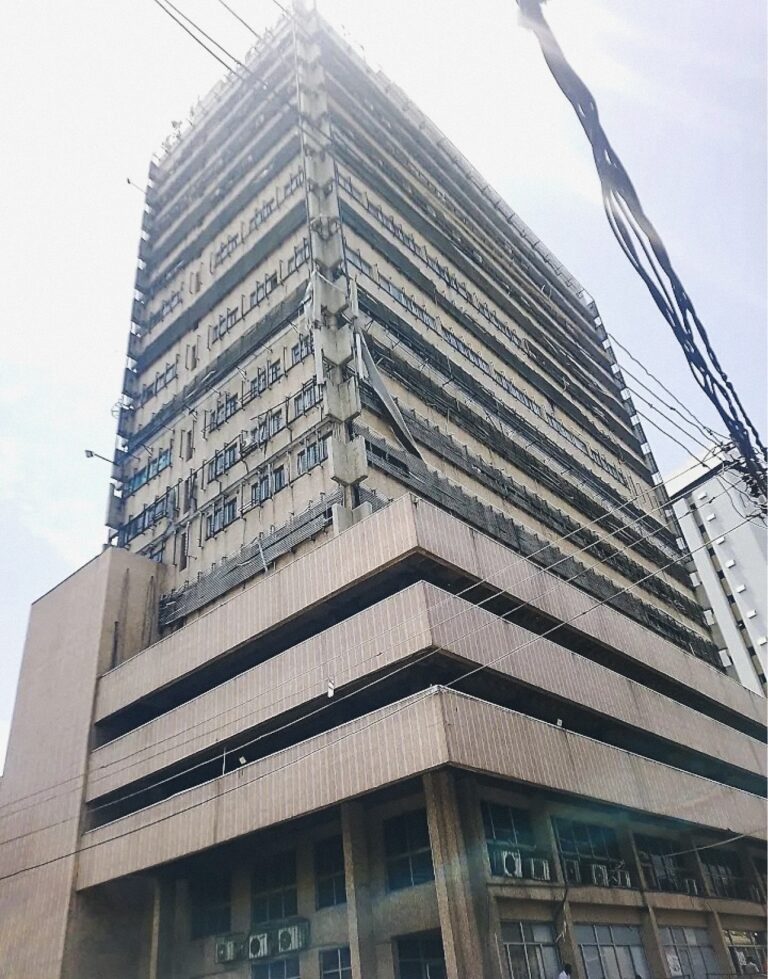
Today, the original structure is gone, swept away by urban change. In its place stands the modern Elephant House, the iconic 18-storey commercial building at 214 Broad Street, Marina, a prominent landmark in the Lagos Central Business District, home to major tenants including First Bank of Nigeria and now BusinessDay Newspapers. But the spirit of the place — its aura, symbolism and name — still belongs to Pearse. To tell the story of Elephant House is to tell the story of the man who made it possible.
A Child of Missionary Lagos
Samuel Herbert Pearse was born in 1866 into a family already woven into the social and religious fabric of Lagos. His father, Rev. Samuel Pearse, was a Church Missionary Society clergyman attached to the CMS church in Ebute Ero. He belonged to that influential world of returnee Africans, mission elites and educated Lagosians whose values of discipline, literacy and public respectability helped shape the city’s early professional class.
Young Pearse attended local schools and later CMS Grammar School from 1879 to 1883, receiving the kind of education that produced clerks, professionals, churchmen and future public figures. But Pearse was never destined merely to serve established institutions. There was something more restless in his path — a commercial instinct, a desire not simply to work within existing structures, but to build his own.
The Hard Lessons of Failure
Like many self-made men, Pearse’s rise did not begin with triumph. He started his career with established firms, including MacIver and Co. Ltd. and Messrs. William Bros. & Co., learning the mechanics of trade under men already embedded in the colonial economy. It was a practical education in supply routes, margins, cargo and relationships. In 1888, he made the leap into independent business. It was a bold move, but the venture failed in 1894.
That failure matters because it humanizes the legend. Pearse was not one of those figures who glided from obscurity to greatness. He stumbled. He lost. But he was not broken by it. The setback appears instead to have sharpened him. The most formidable merchants are often those who have already learned the cost of collapse.
Calabar, Ivory and the Making of a Fortune
Pearse’s redemption came far from the familiar world of Broad Street. In 1907, he moved to Calabar, where he entered the ivory trade — a lucrative frontier of commerce linking African resources to global demand. It was there that Pearse rebuilt himself. He did not merely recover. He flourished. Ivory transformed his fortunes, and with it, Pearse joined the ranks of wealthy African merchants whose success could no longer be dismissed as marginal. He also expanded into produce trading, showing the instincts of a businessman who understood that lasting wealth often rests on diversification. By the time he was ready to return to Lagos, Pearse was no longer a man looking for opportunity. He was a man returning with proof of conquest.
The Return of a Prosperous Merchant
When Pearse came back to Lagos by 1913, he returned as a success story written in bold strokes. This was not the cautious return of a trader easing back into old networks. It was the re-entry of a wealthy merchant determined to convert commercial power into urban prestige. Lagos, at the time, was a city where influence was increasingly measured not only by what one owned, but by what one built. Houses mattered. Location mattered. Visibility mattered. Pearse understood that perfectly. On one of the most strategic corners in Lagos, he established what would become one of the city’s most talked-about residences: Elephant House.
Why Elephant House?
The name was no accident. Pearse is said to have placed a stone elephant outside his residence as a symbol of the success he made in the ivory trade in Calabar. It was branding before the age of corporate branding. The elephant was not merely decorative. It was a declaration.
It said: this house was built on commercial victory.
It said: the man who lives here has mastered distant markets.
It said: wealth has returned home — and it intends to be recognized.
In a city alive with status competition and social signaling, Elephant House stood apart because its symbolism was so direct and memorable. Pearse had turned the source of his fortune into the identity of his home.
A House That Became a Legend
The original Elephant House was remembered not simply because it was large, but because it captured the imagination. Historical descriptions portray it as an elegant residence with large furnished rooms, a roof garden and even a turret chamber — details that lifted it beyond domestic architecture into the realm of spectacle. It was a residence built not only for comfort, but for impression. Elephant House embodied a larger truth about elite Lagos of that era: architecture was performance. A house was more than shelter. It was identity made visible, status given shape, ambition rendered in brick and stone. And Pearse understood that with unusual force.
The Hotelier’s Instinct
Pearse’s commercial imagination did not stop at trade and real estate. He is also associated with building one of the earliest hotels in Lagos, often described in popular retellings as the first hotel in Lagos. Whether or not that claim is literally exact, it points to something important about Pearse’s entrepreneurial vision. He understood that Lagos was becoming a city of movement — of merchants, officials, travelers and influence brokers. Such a city needed places not just to transact, but to receive, host and impress. That Pearse moved into hospitality as well as commerce suggests a businessman who saw urban growth not just as an event, but as an opportunity to build supporting institutions around it.
From Merchant Prince to Public Figure
Wealth opened doors, but Pearse did not remain confined to the marketplace. He went on to hold a number of prestigious positions, serving as legislative councillor, town councillor, member of the Licensing Board, trustee of Lagos Town Hall, and member of the Race Course Board of Management and the Diocesan Board. These were signs that he had crossed from successful businessman into the realm of civic influence. He had become part of the institutional life of colonial Lagos — one of the African notables whose commercial success translated into public authority.
The Fall of the Old House, the Rise of the New
Like many great buildings, the original Elephant House did not survive the city’s transformation. It was demolished in the 1970s, a casualty of the relentless cycle through which Lagos has often traded memory for modernization. In its place rose the modern commercial building that also bears the name Elephant House, preserving at least the echo of the legend even after the original monument disappeared. Today, Elephant House stands as an 18-storey commercial tower at 214 Broad Street, Marina, home to major organizations, with First Bank of Nigeria as anchor tenant and BusinessDay Newspapers among its newest occupants.
That continuity matters. Because while the architecture has changed, the symbolism has not disappeared. The name still points back to a man whose wealth, ambition and imagination once helped define that corner of Lagos.
Samuel Herbert Pearse died in 1955, but his legacy escaped the grave in an unusual way: it attached itself to a place.
Many merchants are forgotten once their ledgers close. Many wealthy men vanish once their houses fall. But Pearse achieved something rarer. He stamped his commercial success so deeply into Lagos memory that even after demolition, reinvention and decades of change, the site still bears the name he made famous.
Elephant House remains his lasting signature.
It reminds us that Lagos was shaped not only by colonial institutions or foreign firms, but also by African merchants of daring, invention and force of personality — men who understood trade, recognized opportunity, and built with enough confidence to leave an imprint on the city’s imagination.
Samuel Herbert Pearse was one of those men.
He did not merely make money from ivory. He turned fortune into architecture, architecture into status, and status into legend.
And in Lagos, legends rarely disappear. They simply change buildings.

Join BusinessDay whatsapp Channel, to stay up to date
Open In Whatsapp