The Nigerian Railway Corporation (NRC) has unveiled plans to electrify major rail corridors across the country within the next five years, beginning with strategic routes in Lagos and Warri as part of efforts to modernise Nigeria’s rail transport system.
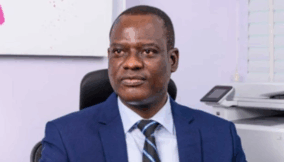
Kayode Opeifa, Managing Director of the corporation, disclosed this on Saturday during an interview on Sunrise Daily on Channels Television.
Opeifa explained that the choice of Lagos and Warri as the starting points for the electrification programme is largely influenced by the availability of gas resources that can support power generation for electric rail operations.
According to him, transitioning from diesel-powered trains to electric rail systems will improve operational efficiency, lower long-term costs and align Nigeria’s railway development with global best practices.
The NRC boss also reassured passengers of improved safety along the Abuja–Kaduna Train Service corridor, noting that train movements and activities at stations are currently monitored from a central control room.
He added that the corporation plans to replicate similar monitoring and surveillance systems across other rail corridors nationwide as part of broader efforts to strengthen rail security.
In response to rising passenger demand, Opeifa said that the number of daily trips on the Abuja–Kaduna route has been increased to three.
Addressing concerns about ticket racketeering on the route, he acknowledged that the challenge persists largely because demand for seats often exceeds available capacity.
However, he said the corporation has introduced stricter verification procedures to tackle the problem. Passengers are now subjected to double verification, first at the waiting area and again during boarding, a process he noted has significantly reduced cases of illegal ticket sales.
“Passengers are now subjected to double verification, first at the waiting area and again during boarding, which has significantly reduced cases of ticket racketeering,” he explained.
Opeifa also called for stronger collaboration between state governments and the Railway Police to enhance the protection of rail infrastructure across the country.
He noted that the Railway Police currently operate in 26 states and urged state governments to integrate the unit into their security architecture by providing the necessary support and partnership.
According to him, railway infrastructure remains a critical national asset whose protection is directly tied to the safety of mobility corridors and economic activity.
Opeifa said his priority is to position the NRC as a key driver of national integration and economic growth while ensuring that the rail system operates in line with international standards.
“Railway is an enabler of growth,” he said, adding that government investments in rail infrastructure across economically strategic states are aimed at boosting mobility, trade and regional connectivity.
He also disclosed that the corporation has developed a national rail map designed to integrate state rail systems with the national rail network to improve connectivity across the country.
Highlighting developments along the eastern rail corridor, Opeifa described the main railway station in Enugu as a massive and well-designed facility with underground structures, recalling that the corridor once played a major role in national revenue generation.
He added that the NRC is also exploring the tourism and entertainment potential of rail transport as part of broader plans to expand services and improve passenger experience nationwide.

Join BusinessDay whatsapp Channel, to stay up to date
Open In Whatsapp