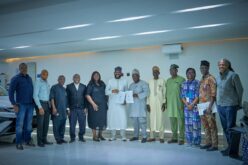
The Nigerian Marine Environment Protection Association (NIMEPA), alongside its volunteers, has removed about 100 kilogrammes of waste from the shoreline of Atican Beach in Lagos.
The cleanup exercise, the first organised by the association, focused on addressing the growing presence of non-degradable waste along Nigeria’s coastlines. Items collected included plastics, cans, food packaging and cigarette butts. Volunteers also recovered hazardous materials, including lead batteries, which raised concern among participants.
Speaking during the exercise, the Executive Secretary of NIMEPA, Comfort Ekpe, confirmed the scale of the waste collected. “We actually accounted for a total of approximately 100kg cumulative of different types of waste,” she said. She added that the discovery of hazardous materials was troubling. “We also found hazardous waste like lead batteries on our shorelines. For me, this is concerning… our fauna and flora must be protected for life to be sustained.
NIMEPA operates as part of a global network under INTERMEPA, with roots linked to Greece, and is working to establish a presence in marine protection efforts across Africa.
Corporate partners who supported the exercise pointed to gaps in public infrastructure as a key factor contributing to pollution. Sunday Ngige of Flour Mills of Nigeria noted the absence of waste disposal facilities along the beach.
“There wasn’t any trash cans from the beginning up to where we stopped,” Ngige said. He explained that materials such as plastics and bottles remain in the environment for long periods. “These materials; plastics, bottles, nylons, do not decompose and can be here for centuries and these things are very harmful to the fishes and aquatic life.”
Also present at the exercise was Festus Omotoyinbo, Managing Director of Apapa Bulk Terminal Limited and a trustee of NIMEPA. He joined volunteers in clearing waste from the beach and stressed the need for shared responsibility.
“The objective of this exercise is for us to protect our environment,” he said. “It’s a collective responsibility. Both the government, the community and everyone.”
Volunteers at the event highlighted the link between marine ecosystems and everyday life. Emmanuel Abayowa explained the role of oceans in natural processes. “The water cycle comes from marine… the evaporation from the sea bodies… goes up into the clouds and it condenses and eventually you have your rainfall,” he said. He added that water resources also contribute to energy generation.
Younger participants also called for wider involvement. Adeiza Onimisi Adeolu urged young people to take part in environmental protection. “As the youth of the country, I think it’s important to find ways in which you can help your country… no matter how little your effort is, it counts because every little thing is what aggregated into the bigger picture,” he said.
Another volunteer, Eniola Ayomide, said personal responsibility was key. “I decided to volunteer for this beach cleanup because I believe environmental responsibility starts with action,” he noted. “It is our job because we are the ones polluting it.”
NIMEPA said it plans to expand its activities in 2026, with more clean-up exercises across coastal and inland communities. The event ended with participants signing a sustainability pledge, a move Ekpe described as encouraging people to “walk the talk” in reducing pollution.

Join BusinessDay whatsapp Channel, to stay up to date
Open In Whatsapp