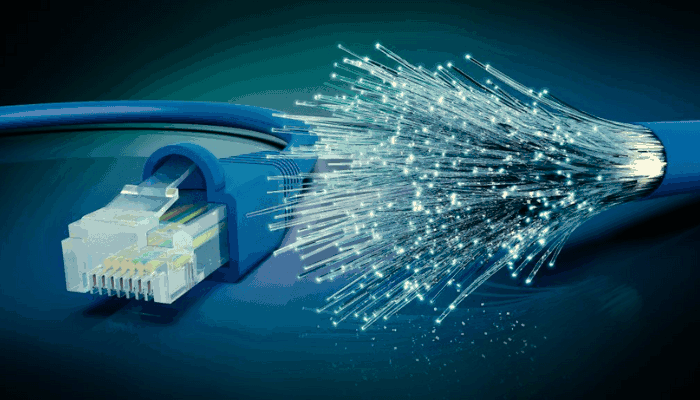
Nigeria’s plan to deploy 90,000 kilometres of fibre optic cable is advancing as stakeholders step up efforts to address capacity gaps and regulatory constraints that could affect execution.
The push gained support from a five-day Strategic Fibre Optics Training Workshop held in Abuja, organised by the International Telecommunication Union in partnership with the Digital Bridge Institute, with support from the European Union.
The programme is aimed at strengthening technical capacity, improving policy development, and preparing industry players for large-scale fibre deployment.
Speaking at the workshop, Aminu Maida, executive vice chairman of the Nigerian Communications Commission, said collaboration and human capital development are important to accelerating broadband penetration and supporting Nigeria’s digital economy.
Represented by Abraham Oshadami, he described the training as timely, noting that regulated fibre infrastructure is central to digital systems.
He linked the initiative to the Federal Government’s Project BRIDGE (Building Resilient Digital Infrastructure for Growth), which aims to extend fibre connectivity to all 774 local government areas. The project is expected to expand digital access and support growth across sectors including education, healthcare, agriculture, and financial services.
Maida said key challenges remain, including high Right of Way charges, delays at the state level, and infrastructure vandalism.
He noted that engagement with state governments, regulators, and security agencies is helping to address these issues and improve protection for telecom assets.
According to him, 13 states have waived Right of Way charges following engagement by the commission, a move that is attracting increased investment from telecom operators. He added that a 2024 presidential directive classifying telecom infrastructure as Critical National Information Infrastructure is expected to strengthen protection nationwide.
Maida said collaboration remains central to the NCC’s regulatory approach and noted the need for a skilled workforce to support a connected economy. He added that the training would help improve regulatory processes, stakeholder engagement, and fibre deployment.
Inga Stefanowicz said the European Union remains committed to supporting Nigeria’s digital ecosystem.
She noted that under its Global Gateway strategy, the EU prioritises investment in digital infrastructure alongside energy, transport, health, and education.
She referenced the EU’s €820 million digital economy package for Nigeria, launched in 2022, which supports digital skills development, innovation, and fibre expansion. The initiative is aimed at mobilising financing, strengthening public-private partnerships, and addressing funding gaps.
Stefanowicz urged participants to use the training to build capacity and take advantage of opportunities, noting that digital infrastructure is important for economic growth and development.

Join BusinessDay whatsapp Channel, to stay up to date
Open In Whatsapp