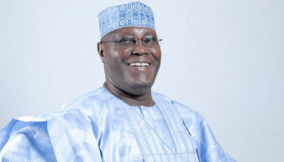
Nigeria has moved beyond the most difficult phase of its economic reforms and is now focused on accelerating broad-based and inclusive growth, according to Taiwo Oyedele, minister of Finance and Coordinating minister of the Economy.
Speaking at the Nigeria Employers’ Summit 2026 organised by the Nigeria Employers’ Consultative Association (NECA) in Abuja, Oyedele said the next phase of the Federal Government’s reform agenda will focus on translating macroeconomic stability into tangible benefits for businesses and citizens through faster economic growth, lower inflation and expanded opportunities across key sectors.
According to the minister, the bold economic reforms introduced by President Bola Ahmed Tinubu’s administration helped Nigeria avoid an imminent economic collapse and laid the foundation for fiscal sustainability and long-term economic resilience.
“The reforms were not optional; they were necessary to prevent economic collapse. The task before us now is to consolidate the gains, deepen stability and accelerate productive, inclusive growth that improves the lives of Nigerians,” Oyedele said during a high-level panel session themed, ‘Reforms in Focus: The Milestones, the Challenges and the Prospects.’
He acknowledged that while the reforms came with short-term sacrifices and economic volatility, they were necessary to address structural imbalances that had weakened the economy.
According to him, before the reforms were introduced, Nigeria’s fiscal position had become unsustainable, with oil revenues largely consumed by fuel subsidy payments and non-oil revenues devoted to servicing debt obligations, leaving limited fiscal space for investment in infrastructure and other critical sectors.
Oyedele said the administration has now successfully transitioned the economy from a period of severe volatility to one of increasing stability, creating a more conducive environment for investment, productivity and sustainable economic growth.
He explained that the government’s priority is now to build on those gains by accelerating growth, reducing inflation and expanding economic opportunities while protecting low-income households and small businesses.
The minister also stressed the importance of improving public understanding of government policies, saying informed citizens are better positioned to hold the government accountable and contribute meaningfully to national development.
He noted that public criticism of government borrowing is often influenced by perceptions of personal debt, whereas sovereign borrowing should be viewed within the context of sound fiscal management.
According to Oyedele, “Some of the public outcry about government borrowing is due to the negative perception of personal debt where it is often spoken of as a moral failing rather than a financial strategy. A government that borrows is accused of mortgaging the future rather than exercising sound fiscal strategy necessary to keep the economy running.”
Highlighting the administration’s tax reforms, the minister said they were deliberately structured to protect small businesses and low-income households while ensuring that individuals and organisations with greater capacity contribute more towards financing public services and national development.
He further urged Nigerians to adopt a more balanced assessment of the country’s economic progress, noting that despite persisting challenges, significant improvements have been recorded in fiscal management, debt sustainability, investor confidence and macroeconomic stability.
Other panellists, including Director-General of the National Health Insurance Authority, Kelechi Ohiri; Chief Executive Officer of the Centre for the Promotion of Private Enterprise (CPPE), Muda Yusuf; and Principal Economist and Lead for Economic Transformation and Competitiveness at the Nigerian Economic Summit Group (NESG), Wilson Erumebor, agreed that the reforms were necessary but emphasised the need for stronger measures to accelerate their impact on businesses and households.
Discussions at the summit centred on strengthening healthcare financing, improving infrastructure, supporting small and medium-sized enterprises, deepening power sector reforms, enhancing tax administration and ensuring that the gains from macroeconomic stability translate into improved living standards and greater competitiveness for Nigerian enterprises.
The Nigeria Employers’ Summit 2026 brought together senior government officials, private sector leaders, development partners and economic experts to examine how ongoing economic reforms and Environmental, Social and Governance (ESG) principles can drive enterprise competitiveness and inclusive national growth.

Join BusinessDay whatsapp Channel, to stay up to date
Open In Whatsapp