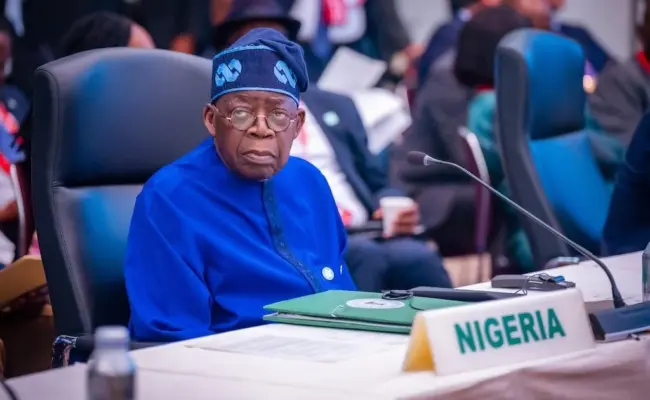
Thirty-three out of the sixty-five ambassadors nominated by President Bola Tinubu have received formal approval from their respective host countries.
The Ministry of Foreign Affairs confirmed the development on Wednesday, noting that the number of cleared envoys has risen steadily in recent weeks.
Kimiebi Ebienfa, the ministry’s spokesperson, disclosed that 32 nominees are still awaiting agrément, the official consent granted by receiving nations after background checks and diplomatic vetting.
“Thirty-three ambassadors have now secured agreements from host countries,” Ebienfa said, indicating a significant step forward in Nigeria’s efforts to fully re-establish its diplomatic missions abroad.
He explained that the approved envoys would soon proceed to their respective countries of assignment upon completing a mandatory induction programme which was concluded recently in Abuja.
The orientation exercise, which began earlier in the week, is designed to prepare both career and non-career diplomats for the demands of representing Nigeria in a rapidly evolving global landscape.
Read also: Nigeria, Angola sign visa waiver for diplomats at AU summit
“After the induction, those who have been accepted will proceed to their missions,” he added.
The latest update marks an improvement from mid-April, when the ministry disclosed that just over 25 nominees had received agrément, underscoring gradual but steady diplomatic engagement with host countries.
Agrément is a critical step in diplomatic appointments, requiring the receiving country to formally accept a nominated ambassador before deployment. Without it, envoys cannot assume their duties.
At the opening of the induction programme, Bianca Odumegwu-Ojukwu, Minister of State for Foreign Affairs, charged the ambassadors-designate to project Nigeria positively while confronting the realities facing the country.
She stressed that diplomats must play a central role in shaping Nigeria’s global image and advancing its strategic interests, even amid domestic challenges such as insecurity, limited resources and infrastructure gaps.
According to her, rather than downplaying these issues, envoys should leverage them to attract global partnerships and support.
Read also: FG tasks new diplomats on integrity, innovation
“Your task is not to hide these realities but to secure international attention and partnership by amplifying the true picture that, despite these obstacles, this government’s commitment to resolving them remains unparalleled and consistent,” she said.
Although President Tinubu assumed office in 2023, ambassadorial appointments were delayed for over two years, leaving several Nigerian missions abroad under the leadership of chargés d’affaires.
In a bid to close the gap, the presidency transmitted a list of 65 nominees to the National Assembly in late 2025.
The lawmakers screened and cleared the nominees in December, but the delay has reportedly narrowed the window for diplomatic processing in some countries.
Join BusinessDay whatsapp Channel, to stay up to date
Open In Whatsapp