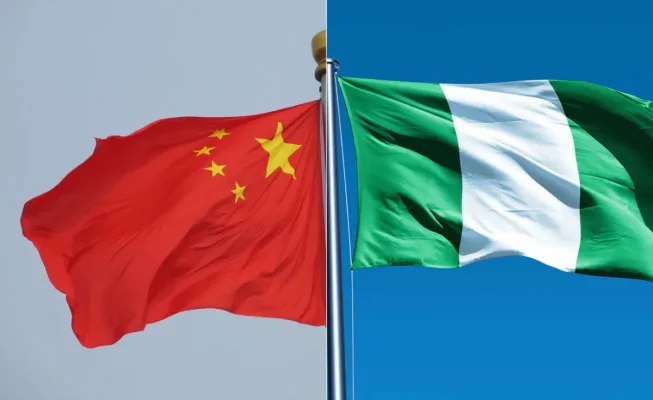
Nigeria and China are intensifying efforts to expand bilateral cooperation into tourism, heritage preservation and the creative economy, as both countries seek to diversify economic relations beyond traditional infrastructure financing and trade partnerships.
The renewed partnership drive came during the 2026 China Tourism Day celebration hosted by the China Cultural Centre in Nigeria in Abuja, where government officials and cultural stakeholders from both countries described tourism and cultural exchange as emerging pillars of economic diplomacy and sustainable development.
Yang Jianxing, Chinese cultural envoy, said Beijing and Abuja were increasingly positioning tourism and the creative industries as strategic instruments for deepening bilateral ties, fostering mutual understanding and expanding people-to-people engagement.
He explained that under the framework of the China-Africa Year of People-to-People Exchanges, both countries were exploring new areas of collaboration in tourism promotion, cultural innovation, heritage conservation and talent development.
According to Yang, Nigeria and China possess ancient civilisations and globally recognised cultural assets capable of attracting international tourism and generating significant economic value if properly developed and marketed.
Highlighting some of the countries’ iconic tourism destinations, he referenced the Great Wall of China, Mount Tai, Nigeria’s Osun-Osogbo Sacred Grove and Zuma Rock as enduring symbols of cultural heritage with strong international tourism appeal.
He added that joint cultural programmes such as the China-Nigeria Cultural and Tourism Festivals and the Happy Chinese New Year celebrations had continued to strengthen diplomatic relations through exhibitions, artistic performances and cultural showcases.
Yang also encouraged more Nigerians to take advantage of tourism, educational and cultural exchange opportunities in China, while expressing optimism that increasing numbers of Chinese tourists would begin exploring Nigeria’s diverse cultural heritage and hospitality industry.
Representing Hannatu Musawa, Minister of Art, Culture, Tourism and Creative Economy, Abdulkarim Ibrahim, Permanent Secretary, said Nigeria was seeking to leverage its growing partnership with China to accelerate development within the tourism and creative sectors.
Ibrahim disclosed that Nigerian acrobats trained in China were already performing on international stages, helping to project Nigeria’s cultural identity globally and strengthening artistic exchange between both nations.
He described China’s achievements in tourism infrastructure development, cultural preservation and urban aesthetics as important models from which Nigeria could draw valuable lessons.
According to him, Nigeria’s vast but largely underdeveloped tourism and creative assets have the potential to become major contributors to economic diversification, job creation and foreign exchange earnings if effectively harnessed through strategic investment and international partnerships.
He noted that the Federal Ministry of Art, Culture, Tourism and Creative Economy was intensifying efforts to attract global partnerships capable of driving investment, innovation and capacity building across the tourism value chain.
Ibrahim further called for stronger collaboration between stakeholders in Nigeria and China to preserve cultural heritage, empower creative talents and position tourism as a vehicle for inclusive and sustainable economic growth.
“Together, we can build a tourism sector that is resilient, globally competitive, and beneficial to future generations,” he said.

Join BusinessDay whatsapp Channel, to stay up to date
Open In Whatsapp