The Nigerian government has begun emergency evacuation support for its citizens in South Africa following a surge in anti-foreigner protests that have disrupted businesses, triggered panic across migrant communities, and left at least two Nigerians dead in separate incidents.
The Nigerian Consulate, working with the Nigerian Citizens Association in South Africa (NICASA), has announced a free repatriation flight for Nigerians willing to return home permanently, as fear and uncertainty deepen in major urban centres.
Frank Onyekwelu, NICASA President, confirmed that the process is already underway, with many Nigerians indicating interest in leaving.
Read also: Nigeria demands action as xenophobic attacks resurface in South Africa
“The Nigerian Consulate in conjunction with NICASA has offered a free repatriation flight to any Nigerian who wishes to leave South Africa permanently, and the process is ongoing,” he said, noting that several affected individuals have already registered.
He acknowledged that many Nigerians have been forced to shut down their shops and businesses, adding that there is currently no structured relief system for those impacted beyond the evacuation arrangement.
The unrest has spread across key cities including Johannesburg, Pretoria, Durban, East London, and parts of KwaZulu-Natal, where protests have degenerated into harassment, looting, and destruction of foreign-owned businesses.
Nigerians living in these areas described a climate of fear, saying they have been forced indoors as mobs target foreign nationals, particularly small business owners.
The Nigerians in Diaspora Commission has advised Nigerians to temporarily shut down their businesses to minimise exposure to violence and economic losses.
The Nigerian Consulate General in Johannesburg confirmed that two Nigerians, Amaramiro Emmanuel and Ekpenyong Andrew, died in separate incidents linked to security encounters.
According to Ninikanwa Okey-Uche, Consul-General , Emmanuel reportedly died from injuries sustained after an alleged assault by personnel of the South African National Defence Force on April 20.
Andrew, meanwhile, was apprehended in Pretoria following an altercation with the Tshwane Metro Police on April 19, and his body was later found at a mortuary in the city.
The demonstrations have been linked to local movements such as Operation Dudula, the March and March Movement, and other community-based groups advocating for stricter immigration controls.
Protesters accuse migrants from countries including Nigeria, Ghana, Zimbabwe, Mozambique, and Somalia of contributing to unemployment and crime, and have demanded the deportation of undocumented foreigners.
Read also: Nigerians raise alarm as over Xenophobic threats in South Africa
Viral videos circulating online show groups of protesters armed with sticks marching through streets, chanting anti-foreigner slogans and confronting traders.
In one such encounter, a Nigerian trader was ordered to leave the country with his family despite pleading that he had lived and worked in South Africa for years.
Nigerian traders say they have borne the brunt of the attacks, with shops, supermarkets, and market stalls looted or destroyed.
Yemisi Adewale, a restaurant operator in Johannesburg, , recounted narrowly escaping an attack at a market in Braamfontein.
“They are specifically targeting shops owned by Nigerians and Ghanaians. Once your shop is open, they attack, loot your goods, and assault you,” she said, describing the violence as organised looting disguised as protest.
Another trader, who requested anonymity, said hundreds of attackers armed with sticks had stormed markets, beating foreigners and forcing a complete shutdown of business activities.
“We are living in fear. No one dares open their shop anymore,” she said.
While many accounts describe widespread fear, some diaspora leaders say the unrest is localised.
ABC Okokoh, President of Ohanaeze Ndigbo in South Africa, said the violence is concentrated in informal settlements, where small-scale traders operate.
“It is not the whole of South Africa that is affected. Some areas are calm, but those in informal settlements are the worst hit,” he said, adding that political interests may be fuelling tensions.
Similarly, Olusola Agbeniyi, President of the Association of Yorubas in Diaspora in South Africa, maintained that there have been no protest-related fatalities, attributing reported deaths to separate incidents.
Read also: Two Nigerians killed in fresh xenophobic attacks in South Africa
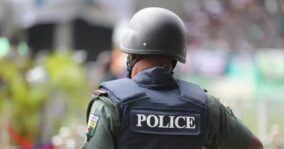
The South African Police Service has condemned the intimidation of foreign nationals, stating that such actions violate the country’s constitutional values of dignity, equality, and human rights.
Authorities say investigations are ongoing, including into the fatal shooting of an Ethiopian national in downtown Johannesburg captured on CCTV.
Nigeria’s Ministry of Foreign Affairs is engaging South African authorities over the crisis.
According to Abdur-Rahman Balogun of the Nigerians in Diaspora Commission, the matter has been escalated to the ministerial level, with Bianca Odumegwu-Ojukwu leading diplomatic efforts.

Join BusinessDay whatsapp Channel, to stay up to date
Open In Whatsapp