The National Automotive Design and Development Council (NADDC) is pushing to secur legislative backing for the National Automotive Industry Development Plan (NAIDP), arguing that it is essential to unlock large-scale investment and deepen local manufacturing in Nigeria’s automotive sector.
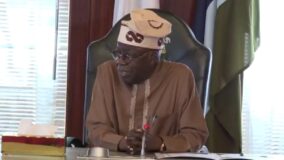
Joseph Osanipin, director general of the NADDC stressed that investors will remain cautious unless the Automotive Industry Development Plan, current working policy of the industry is backed by legislation.
Speaking at a capacity building programme organised by the council on Monday and themed “Strengthening Sectoral Policy Communication and Legislative Reporting on Nigeria’s Automotive Industry Development,” the DG explained that the Nigeria Automotive Industry Development Plan provides direction for the sector, but long term industrial growth requires legal certainty.
Osanipin said manufacturers considering large scale investment in vehicle assembly and component production need assurance that policy incentives will endure beyond administrative cycles.
He disclosed that the Council plans further engagement with lawmakers at the National Assembly to advance efforts aimed at strengthening the legal foundation of the automotive development framework.
The DG, further noted that the automotive industry is one of the most capital intensive sectors globally, requiring sustained policy consistency before investors commit resources.
He explained that legislative backing would provide stability, deepen local production and accelerate industrialisation.
Drawing comparisons with global trade practices, he noted that countries routinely adopt protective measures to support local industries and build technological capacity. Such policies, he said, are aimed at job creation, technology transfer and long term economic resilience.
Nigeria currently spends trillions of naira annually on vehicle imports and spare parts, a trend the Council aims to reverse through a localisation programme targeting domestic production of selected automotive components.
Osanipin explained that while no country manufactures every vehicle component, Nigeria has identified parts that can be produced locally and is working with assemblers and manufacturers to expand domestic capacity.
The DG further revealed that global manufacturers including Toyota, Volkswagen and Ford have inspected Nigerian facilities and expressed surprise at the level of infrastructure available in the country.
He said some advanced production equipment in Nigeria ranks among the most sophisticated on the continent, yet receives limited visibility in public discourse.
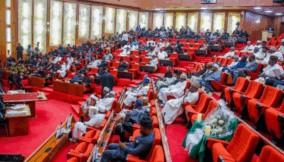
Akintunde Rotimi, chairman of the House Committee on Media and Public Affairs, underscored the need for specialised knowledge among legislative reporters, saying informed media coverage is essential to translating industrial policy into public understanding and national development outcomes.
Rotimi said the engagement reflects a deliberate strategy by the House to strengthen professionalism within its parliamentary media ecosystem and ensure legislative reporting keeps pace with increasingly complex policy issues.

Join BusinessDay whatsapp Channel, to stay up to date
Open In Whatsapp