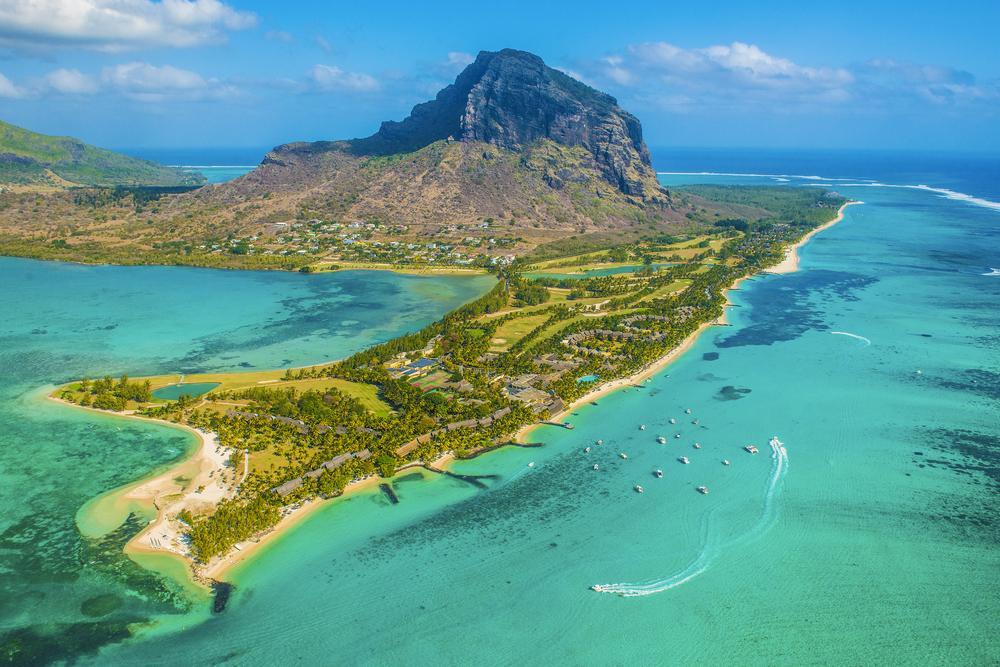
Mauritius, a multi-ethnic island nation in Eastern Africa, has launched a golden visa programme aimed at attracting 100 high-net-worth individuals each year, with every successful applicant required to invest at least $1 million within 12 months of arrival in fintech, artificial intelligence, biotechnology and renewable energy.
As of early 2026, the Mauritius passport is one of the strongest in Africa, generally ranking around the 25th to 27th globally. It provides visa-free or visa-on-arrival access to approximately 147 destinations, including the EU/Schengen Area, Japan, and Russia.
According to Bloomberg, Navinchandra Ramgoolam, Mauritius’ prime minister, told lawmakers that the programme was introduced following “multiple enquiries” from foreigners seeking to relocate with their families. He explained that the objective is not only to attract new residents, but also to channel long-term capital into the economy.
The plan is for golden visa holders to initially stay in hotels or rent residential properties approved for foreign investors. This measure is intended to prevent additional pressure on local housing affordability.
Read also: CBI Index 2025 Ranks St. Kitts and Nevis as Top Citizenship Programme
Mauritius is not new to attracting affluent foreign residents. The country is already recognised as a premium relocation destination and an international financial centre, offering beachfront villas, luxury apartments and the type of infrastructure expected by wealthy investors. In many respects, the new golden visa programme formalises a trend that has been developing informally for years.
The government is now betting that the country’s appeal can be transformed into a structured and scalable source of foreign investment.
Mauritius is entering a market that is both expanding and facing increasing scrutiny. Countries such as the United States have introduced programmes aimed at attracting wealthy foreign investors. At the same time, several European nations have begun scaling back their golden visa schemes over concerns that they could facilitate money laundering, criminal activity and corruption.
Read also: Croatian passport enters global top 10, surpassing UK and US
Critics argue that such programmes widen inequality by granting wealthy individuals opportunities that remain inaccessible to most people.
Addressing those concerns directly, Ramgoolam said: “With respect to the risks of money laundering and illicit financial flows, a robust, risk-based due diligence framework is already in place.”
For Nigerians already considering investment migration, Mauritius offers a different proposition from destinations such as Canada, Portugal or the United Arab Emirates. Instead of focusing mainly on passport access, the appeal may lie more in lifestyle, tax efficiency, business expansion and regional connectivity within Africa and international markets.

Join BusinessDay whatsapp Channel, to stay up to date
Open In Whatsapp