


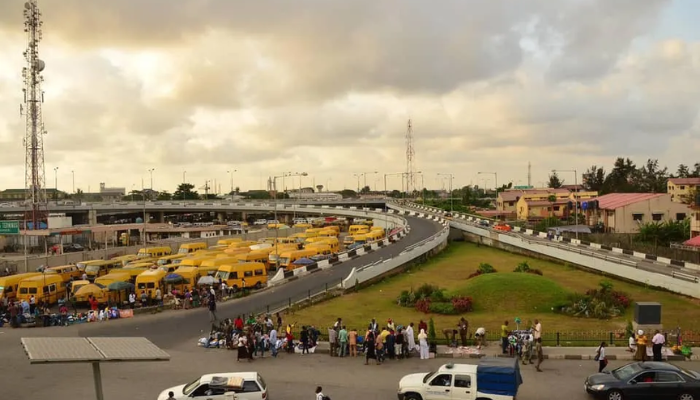
Four African cities have been ranked among the world’s 10 least liveable urban centres in the Economist Intelligence Unit’s (EIU) Global Liveability Index 2026, reflecting the continued impact of insecurity, pressure on public services, infrastructure gaps and governance challenges.
The annual index assessed 173 cities across five indicators: stability, healthcare, culture and environment, education, and infrastructure. Each city received a score out of 100 based on how well it performs across these areas.
This year’s rankings placed Harare (Zimbabwe), Lagos (Nigeria), Algiers (Algeria) and Tripoli (Libya) in the global bottom 10, alongside cities affected by conflict, economic challenges and weak infrastructure.
Read also: Stockbrokers push for frontier market upgrade as Nigeria earns S&P watchlist spot
The four African cities in the global bottom 10:
1. Harare, Zimbabwe (165th) – Overall score: 45
Harare ranked 165th globally, making it the highest-ranked African city among the continent’s four cities in the bottom 10.
The Zimbabwean capital recorded its strongest performance in education with a score of 67. However, healthcare remained a major challenge, scoring 33, which reduced its overall performance.
The result reflects the continuing pressure on Zimbabwe’s public health system despite relatively better access to education.
2. Lagos, Nigeria (168th) – Overall score: 44
Nigeria’s commercial capital ranked 168th with an overall score of 44.
Lagos received one of its lowest scores in stability at 30, while healthcare scored 38. Infrastructure performed better with a score of 54, although it was not enough to improve the city’s overall position.
As one of Africa’s largest cities by population, Lagos continues to face the demands of rapid urban growth. Pressure on transport systems, housing, healthcare facilities and other public services remains a key challenge.
The ranking reflects the difficulty of providing services to a growing population while addressing security and infrastructure needs.
3. Algiers, Algeria (169th) – Overall score: 43
Algiers placed 169th globally with an overall score of 43.
The Algerian capital performed relatively well in healthcare, scoring 54, but infrastructure recorded a score of 30, which affected its final ranking.
The results show how performance in one area may not offset weaknesses in another, particularly when infrastructure remains under pressure.
4. Tripoli, Libya (172nd) – Overall score: 41
Tripoli ranked 172nd, making it Africa’s lowest-rated city and the second-lowest in the world.
Only Damascus in Syria ranked lower.
The report links Tripoli’s position to the long-term effects of conflict and institutional instability, which have affected public services, infrastructure and everyday life over several years.
Why these cities ranked low
According to the EIU, several factors continue to reduce liveability scores across many cities worldwide.
The report points to “armed conflict, economic pressures and urban infrastructure challenges” as major reasons behind lower rankings in different regions.
For African cities, the findings also highlight the effects of political instability, growing urban populations, limited investment in infrastructure and pressure on healthcare systems.
Cities experiencing conflict or prolonged instability generally recorded weaker scores in stability, while others struggled with healthcare delivery and ageing infrastructure.
Other cities in the global bottom 10
The African cities were joined by several cities from other regions facing similar challenges.
The remaining cities in the bottom 10 were:
- Damascus, Syria (173rd)
- Tehran, Iran
- Kyiv, Ukraine
- Port Moresby, Papua New Guinea
- Karachi, Pakistan
- Dhaka, Bangladesh
The presence of these cities shows that conflict, economic pressures and infrastructure constraints continue to affect urban liveability beyond Africa.
What the rankings measure
The EIU Global Liveability Index is used by businesses, policymakers and organisations to compare living conditions across major cities.
Rather than focusing on economic performance alone, the index measures everyday conditions that influence the quality of life for residents and expatriates.
Cities are assessed across five areas:
- Stability
- Healthcare
- Culture and environment
- Education
- Infrastructure
Each category contributes to the overall score, providing a broad picture of how cities perform in delivering essential services and maintaining conditions that support daily life.
The 2026 rankings show that while some cities continue to improve, others remain affected by conflict, weak infrastructure and pressure on public services. For the four African cities in the global bottom 10, the report highlights the need for sustained investment in healthcare, infrastructure, security and urban planning to improve living conditions over time.

Join BusinessDay whatsapp Channel, to stay up to date
Open In Whatsapp


