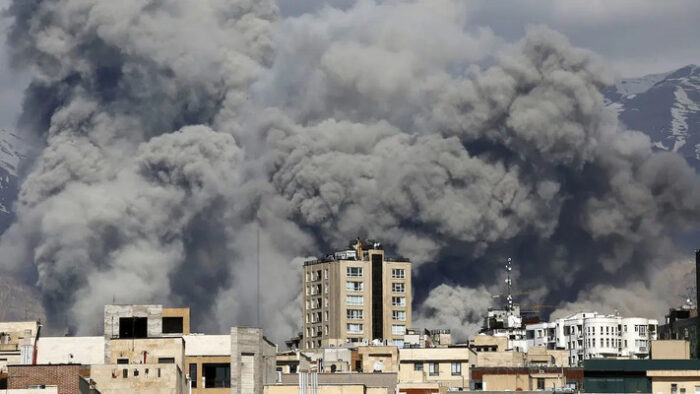
Global economic stability faces renewed strain as the International Monetary Fund (IMF), World Bank Group, and International Energy Agency have warned that the economic and energy disruptions triggered by the war in the Middle East are likely to persist, with spillovers expected to hit energy-importing countries hardest and keep global prices elevated for an extended period.
In a joint statement issued in Washington DC after a meeting on Monday, the three institutions said the impact of the conflict is “substantial, global, and highly asymmetric,” noting that low-income countries are among the most exposed due to their reliance on imported fuel, gas, and fertilizer. The warning comes ahead of the release of key outlook reports from both the IMF and the IEA this week.
According to the institutions, the war has already triggered a sharp rise in oil, gas, and fertilizer prices, raising concerns about food security, inflation, and employment conditions across multiple regions. The statement noted that some energy-exporting countries in the Middle East have also suffered revenue losses due to disruptions in trade flows and infrastructure constraints.
A major concern highlighted in the assessment is the continued uncertainty surrounding shipping through the Strait of Hormuz, one of the world’s most critical energy transit routes. The institutions warned that even if shipping operations resume normal flows, global supply chains for oil, gas, and fertilizers will take time to recover fully, with prices likely to remain elevated due to structural damage and lingering bottlenecks.
The statement also pointed to broader macroeconomic risks, including pressure on household incomes, job losses in affected sectors, and disruptions to tourism and travel. It added that forced displacement and reduced mobility in affected regions could further slow economic recovery.
“Due to supply disruptions, shortages of key inputs are likely to have implications for energy, food, and other industries,” the institutions said, adding that the situation remains highly uncertain and continues to evolve.
The coordinated response marks an effort by the IMF, World Bank, and IEA to align their expertise across macroeconomic policy, development financing, and energy market analysis. The institutions said their teams are working closely at country level to provide tailored policy advice and financial support where needed, particularly for vulnerable economies facing balance-of-payments pressures and rising import costs.
They also emphasised that sustained coordination will be critical in managing the crisis and laying the groundwork for a stable recovery once energy flows normalise.
“We will continue to monitor closely and assess the impact of the war on energy markets, the global economy and individual countries, and to coordinate our response and support to our member countries,” the statement added.
With both the IMF and IEA set to publish updated global outlooks, markets are expected to closely watch whether forecasts for growth and energy prices are revised further in response to the ongoing shock.

Join BusinessDay whatsapp Channel, to stay up to date
Open In Whatsapp