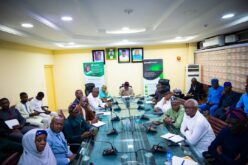
The heads of the International Energy Agency (IEA), International Monetary Fund (IMF), and World Bank Group have agreed to form a coordination group to strengthen their response to the energy and economic disruptions caused by the ongoing war in the Middle East.
In a joint statement, the institutions said the conflict has triggered one of the largest supply shortages in global energy market history, with far-reaching and uneven consequences across countries and regions.
The impact, they said, has been substantial and highly asymmetric, disproportionately affecting energy-importing nations, particularly low-income countries. The shock is already being transmitted through rising oil, gas, and fertilizer prices, while also raising concerns about food inflation.
Read also: Nigeria stocks extend rally into Q2 as bulls retain control
Global supply chains have also been disrupted, affecting commodities such as helium, phosphate, and aluminum, while tourism has been hit by flight disruptions at key Gulf transit hubs.
The resulting volatility in global markets has contributed to currency pressures in emerging economies and heightened concerns about inflation expectations, raising the likelihood of tighter monetary policy and weaker global growth.
Against this backdrop, the three institutions said closer coordination is critical to help policymakers navigate the crisis, particularly in countries with limited fiscal space and elevated debt levels.
To support a coordinated response, the group will assess the severity of the crisis across countries and regions through shared data on energy markets, trade flows, fiscal and balance of payments pressures, inflation trends, export restrictions, and supply chain disruptions.
Read also: Middle East war drives $25bn energy damage – Rystad Energy
The institutions said they will also align policy advice and evaluate financing needs, including the potential provision of financial support through concessional funding and the use of risk mitigation tools where appropriate.
In addition, the group plans to mobilise other multilateral, regional, and bilateral partners to deliver coordinated and efficient support to countries most affected by the crisis.
The coordination mechanism will draw on the expertise of other international organisations as required.
The IMF, World Bank, and IEA said they are committed to safeguarding global economic and financial stability, strengthening energy security, and supporting affected countries in achieving recovery, growth, and job creation through reforms.

Join BusinessDay whatsapp Channel, to stay up to date
Open In Whatsapp