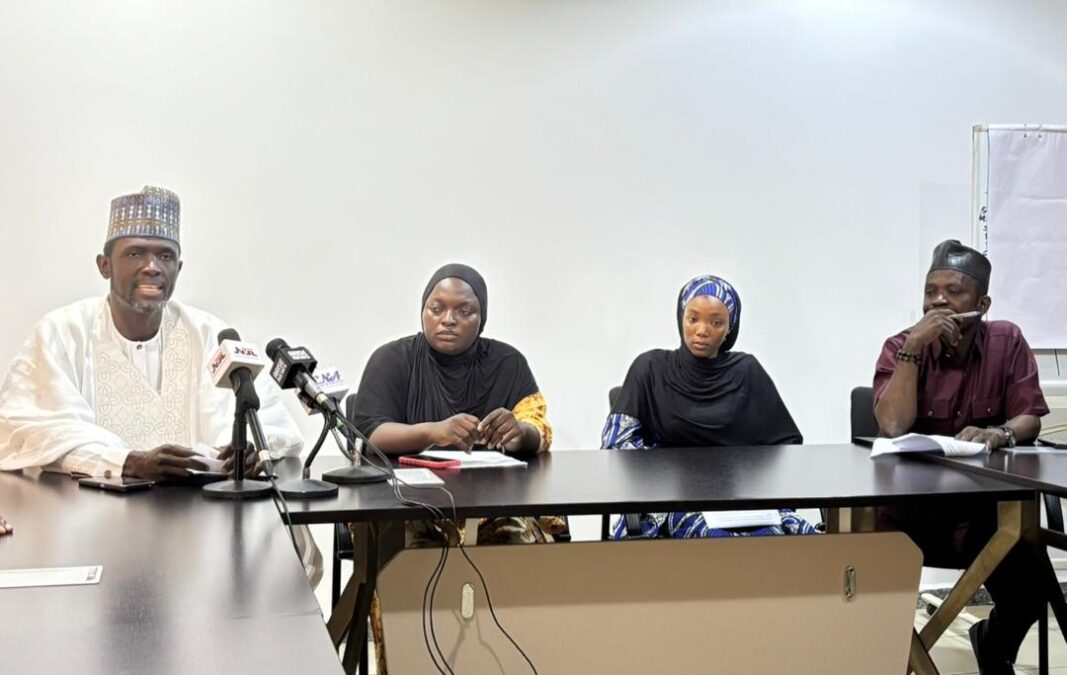
Nigeria’s healthcare system is on the verge of collapse and requires urgent presidential intervention, the Coalition of Concerned Nigerians on Health Reform has warned, urging President Bola Tinubu to declare a state of emergency in the sector.
The group also passed a vote of no confidence on Muhammad Pate, Coordinating Minister of Health and Social Welfare, accusing him of failing to address worsening manpower shortages, dilapidated health facilities, inadequate funding and the mass exodus of healthcare professionals.
The group said the country’s healthcare system had deteriorated to a point where routine policy interventions were no longer sufficient, warning that millions of Nigerians were facing delayed treatment, worsening access to quality healthcare and avoidable deaths.
Addressing journalists, Muniretu Isa, said: “Enough Is Enough: Declare a State of Emergency in Nigeria’s Health Sector Now,” in which the group announced that it had lost confidence in Prof. Pate’s leadership of the sector.
“We have lost confidence in Prof. Muhammad Ali Pate as the Coordinating Minister of Health,” the coalition declared, urging the President to take urgent and far-reaching action to rescue the nation’s healthcare system.
The coalition identified the shortage of healthcare professionals as one of the greatest threats confronting Nigeria’s health sector.
According to the group, Nigeria’s estimated population of more than 220 million people is currently served by only about 55,000 licensed doctors, leaving medical personnel overwhelmed by increasing patient loads and difficult working conditions.
It noted that the continuous migration of doctors and other health professionals abroad in search of better opportunities had further weakened public hospitals, creating severe staffing shortages across the country.
The organisation said the consequences were evident in prolonged waiting times, delayed emergency care and limited access to specialist services, particularly in rural communities where many primary healthcare centres reportedly lack adequate personnel, medicines and essential medical equipment.
The coalition also pointed to recurring industrial disputes involving resident doctors and other healthcare workers, blaming the situation on unresolved welfare issues and poor working conditions.
Among the grievances listed were inadequate remuneration, unpaid allowances, delayed salaries and entitlements, manpower shortages, excessive workloads, unsafe working environments, poor implementation of existing agreements, inadequate funding for residency training and deteriorating hospital infrastructure.
It warned that repeated strikes and threats of industrial action were pushing an already fragile healthcare system closer to collapse.
The group further lamented that many public hospitals continue to operate with obsolete equipment, unreliable electricity supply, inadequate laboratory services, insufficient hospital beds and ageing infrastructure, while numerous primary healthcare centres remain poorly equipped or non-functional.
The coalition criticised what it described as chronic underfunding of the health sector, arguing that Nigeria continues to spend significantly below the benchmark envisioned under the Abuja Declaration, leaving millions of citizens to shoulder healthcare costs through out-of-pocket payments.
It said rising medical expenses have placed treatment beyond the reach of many Nigerians suffering from chronic illnesses, including hypertension, diabetes, cancer, kidney disease and heart-related conditions.
The group also expressed concern over Nigeria’s persistent maternal and child mortality rates, as well as the continued prevalence of preventable diseases such as malaria, tuberculosis and cholera, while non-communicable diseases continue to rise without corresponding improvements in healthcare capacity.
According to the coalition, the sustained exodus of healthcare professionals represents a major national development challenge, warning that Nigeria continues to invest in training medical personnel whose expertise ultimately benefits other countries.
As part of its recommendations, the coalition urged President Tinubu to declare a state of emergency in the health sector and implement a comprehensive national recovery programme.
The proposed measures include emergency recruitment and retention of healthcare workers, improved salaries and welfare packages, implementation of agreements with health sector unions, increased investment in hospitals and primary healthcare centres, modernisation of medical equipment, expansion of residency training, support for local pharmaceutical and medical equipment manufacturing, increased healthcare funding with strict accountability mechanisms, wider health insurance coverage and policies aimed at reversing the country’s worsening brain drain.
The group argued that quality healthcare is both a constitutional responsibility and a moral obligation of government, stressing that no nation can achieve sustainable economic growth or attract meaningful investment while its healthcare system remains in crisis.
Reaffirming its position, the coalition insisted that incremental reforms were no longer adequate to address the scale of the challenges confronting the sector.
“The warning signs are unmistakable. The healthcare workforce is shrinking. Public hospitals are overstretched. Patients are bearing the burden. Confidence in the system continues to decline.
“The time for incremental reforms has passed. The time for decisive action is now,” the group said.
It reiterated its vote of no confidence in Pate and urged Tinubu to act swiftly to prevent what it described as a deepening healthcare crisis.

Join BusinessDay whatsapp Channel, to stay up to date
Open In Whatsapp