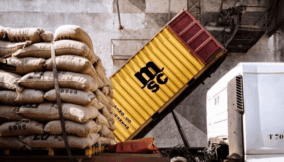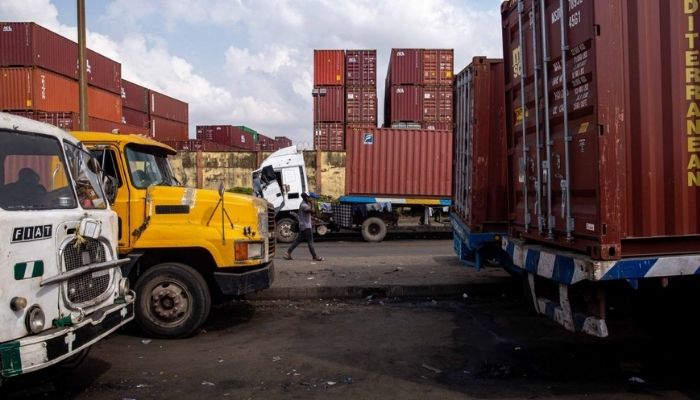
Grimaldi Agency Nigeria has defended the sale of empty shipping containers by Grimaldi Deep Sea S.p.A., arguing that any customs duties arising from the subsequent domestication of the equipment are the responsibility of buyers and not the shipping line.
The company was responding to allegations which claimed Nigeria may have lost hundreds of millions of dollars in customs revenue over the years through the sale of temporary-import containers without proper conversion procedures of which its activities may have been part. There have been recent reports of the company’s auction of 2,500 empty containers, which it denied.
Read also: Illegal shipping container sales lost Nigeria $600m in 30 years-Expert
Grimaldi said the containers it sold retained their international customs status, known as a “foreign customs position” and were not transferred as domesticated equipment intended for local use within Nigeria.
According to the company’s statement on Wednesday, the terms of sale were clearly stated in the transaction documents, which specified that the containers were to be used for international carriage of goods without any change to their customs status.
Grimaldi said the sales agreement also provided that where local regulations required the containers to be regularised or domesticated for domestic use, such procedures would be undertaken solely at the purchaser’s expense and responsibility.
The company said the arrangement was consistent with international shipping practice under which containers are sold as Shipper Owned Containers (SOCs) for use in international trade.
“Under this model, containers may continue to operate in international commerce without any change to their customs classification or status,” the company said.
Read also: Grimaldi, DHL to pilot manifest submissions on National Single Window
It added that customs obligations generally arise only when a purchaser decides to convert the containers for domestic applications such as storage, construction projects or other local uses requiring domestication under customs regulations.
“In such circumstances, responsibility rests with the party changing the status and use of the equipment, namely the purchaser,” the statement said.
Grimaldi maintained that any customs duties, taxes, levies or related charges that may become payable following a buyer’s decision to domesticate the containers cannot be attributed to the seller because such obligations arise after the completion of the sale.

Join BusinessDay whatsapp Channel, to stay up to date
Open In Whatsapp