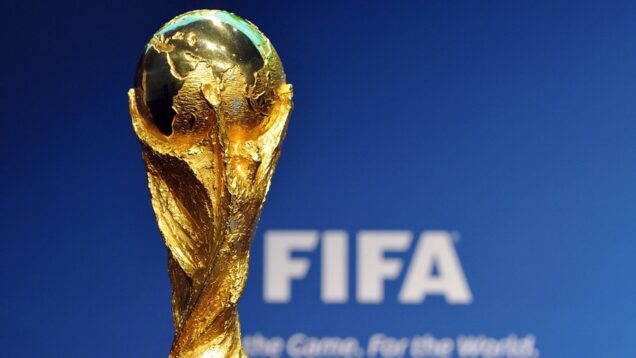
The World Cup has long been about lifting football’s most coveted trophy. Now, FIFA is betting that affluent fans will pay six figures for a piece of that glory, unveiling a luxury championship ring programme that could generate more than £220 million in fresh revenue.
The initiative, modelled on the championship ring tradition in American sports, marks the governing body’s latest push to transform football’s biggest tournament into an even more lucrative global commercial brand.
For the first time in the tournament’s 96-year history, World Cup winners will receive personalised championship rings alongside the iconic FIFA World Cup Trophy and the traditional gold medals. FIFA will produce 2,026 individually numbered rings, with 30 reserved for players and staff of the winning team, while the remaining 1,996 rings will be made available to collectors and fans as officially licensed memorabilia.
Although FIFA has not officially disclosed the retail price, British media reports estimate the collector’s editions could sell for as much as £112,000 ($150,000) each. If all 1,996 rings are sold at that price, FIFA stands to generate more than £223 million ($300 million) in gross revenue, making the collection one of the most expensive and potentially profitable merchandising initiatives in football history.
Read also: Reps call for stronger food safety to curb diseases
Simon Chadwick, Professor of Sport and Geopolitical Economy, said the move highlights FIFA’s broader strategy of expanding the commercial value of the World Cup beyond traditional income streams.
“FIFA has spent years expanding the commercial ecosystem around the World Cup. The introduction of championship rings reflects a broader strategy to diversify revenues beyond media rights and sponsorship while borrowing successful ideas from the North American sports business model,” Chadwick said.
The rings will feature the FIFA World Cup Trophy on one side, while the reverse will be customised with details of the champion nation. Temporary rings will be presented to the winning captain and coach immediately after the final before bespoke versions are produced and individually fitted for every recipient.
The move reflects FIFA’s willingness to borrow from the commercial playbook of North American sports leagues such as the NFL, NBA, Major League Baseball and the NHL, where championship rings have become prized symbols of success and highly sought-after collector’s items.
Victor Matheson, a sports economist at the College of the Holy Cross, said the appeal of championship rings goes beyond their physical value, with fans paying for a connection to historic sporting achievements.
“Sports organisations are increasingly monetising emotion and exclusivity. Championship rings are not simply pieces of jewellery; they are high-value collectibles that allow fans to purchase a tangible connection to iconic sporting moments,” Matheson said.
The championship rings are the latest in a series of American-style innovations introduced for the expanded 2026 FIFA World Cup, which will be jointly hosted by the United States, Canada and Mexico. FIFA has already announced a Super Bowl-style halftime entertainment show for the final and has embraced other fan-focused initiatives as it seeks to broaden the tournament’s commercial appeal.
Critics, however, have questioned whether the governing body is placing commercial interests ahead of football’s traditions, describing the rings as another premium product aimed at wealthy collectors rather than ordinary supporters. FIFA insists the initiative offers fans a rare opportunity to own an official piece of World Cup history while giving players an enduring symbol of their achievement.
David Carter, a sports business analyst at the University of Southern California, said the success of the initiative would depend on whether FIFA can establish the rings as premium collectibles rather than ordinary merchandise.
“Luxury memorabilia has become a serious asset class for wealthy collectors. If FIFA succeeds in positioning these rings as scarce, authenticated collectibles rather than souvenirs, demand could remain strong long after the tournament ends,” Carter said.
The strategy aligns with FIFA’s broader efforts to diversify revenue beyond its traditional pillars of broadcasting rights, sponsorship deals and ticket sales. With the global sports memorabilia market expanding rapidly and collectors increasingly paying premium prices for authenticated championship items, the governing body is positioning luxury merchandise as a new source of long-term income.
John Zerafa, a sports marketing consultant, said the World Cup’s global appeal gives FIFA a strong foundation for premium commercial products.
“The World Cup has always been football’s most powerful global brand. Premium collectibles are a logical extension because they create new revenue without increasing ticket prices or negotiating new broadcasting contracts,” Zerafa said.
If demand matches expectations, the World Cup championship rings could become one of FIFA’s most profitable merchandise launches yet, demonstrating how football’s biggest tournament is evolving into not only the world’s premier sporting spectacle but also an increasingly sophisticated luxury and entertainment business.

Join BusinessDay whatsapp Channel, to stay up to date
Open In Whatsapp