Stakeholders from across the Global South have stressed the need for long-term private financing to drive Climate Action and push for Just Energy Transition.
This was the centre of discussion at the ongoing Global South Peer Learning Workshop on Country Platforms for Climate Action and Just Energy Transition, which began in Abuja on Tuesday.
The workshop was organised by the African Policy Research Institute(AFRI) in collaboration with the Federal Ministry of Budget and Economic Planning, Federal Ministry of Environment, Nigeria Economic Summit Group and Yaradua Foundation.
Participants at the event noted that as global geo-politics and dynamics on climate and energy transition evolved, Nigeria’s role in the energy discourse as a major oil and gas player becomes crucial.
Recent achievements recorded in the past five years in climate action and just energy transition include updating the National Determined Contributions (NDCs),passage of the Climate Change Act, Launch of the Nigeria Energy Transition Plan and Establishment of the National Council on Climate change, among others.
Read also: Coastal communities seek solution to adverse climatic conditions
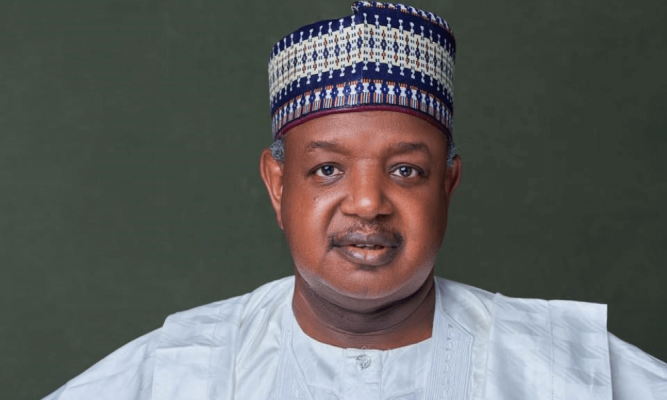
Abubakar Atiku Bagudu, Minister of Budget and Economic Planning, said “Government does not have the funds to deal with Climate change realities and stressed the need for long term private sector investment in pushing for energy transition.”
Bagudu stressed the peculiarity of the Nigerian as a nation of 36 States and the FCT, and 774 Local Government Councils with each having its own budgeting system and financing.
Olumide Abimbola, Executive Director of APRI, emphasised the urgency of the climate crisis, citing unprecedented impacts such as worsening floods, desertification, and food insecurity.
He said the workshop is a timely opportunity for reflection, learning, and reimagining new opportunities for African Agency, ownership, and innovation
Amara Nwankpa, acting Director General, Shehu Musa Foundation in his goodwill message, recalled that the Electricity Act of 2023 had recognised decentralisation as fundamental to Nigeria’s energy architecture, however noting its promise would only be realised if the gap between the informal self-generation sector and legacy centralised infrastructure is bridged.
“A new approach to energy transition would involve co-constructing solutions with those who already provision, consume, and govern energy in complex informal ways”, Nwankpa noted.
Read also: Climate activists renew call for climate reparations for Africa
This could include local entrepreneurs maintaining diesel generators evolving into operators of community-scale solar mini-grids, and women’s cooperatives using portable solar lanterns becoming stakeholders in off-grid service enterprises.
Stakeholders at the event called for genuine partnership, listening as much as leading, co-creating as much as planning, and measuring progress not only by megawatts installed, but by livelihoods transformed and communities empowered.
The workshop featured insights from countries such as South Africa, Indonesia, Senegal, and Vietnam, which will directly inform Nigeria’s National Development Plan. Olumide Abimbola highlighted the importance of Global South collaboration, stating that “none of us can tackle this alone.”
APRI, is an independent African and Europe-based think tank, committed to amplifying African voices in global decision-making arenas. The organisation has been working with governments and private sector actors to inform real policy decisions on climate action and energy transition.

Join BusinessDay whatsapp Channel, to stay up to date
Open In Whatsapp