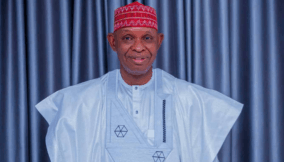
One of the most enduring symbols of Kano’s centuries-old royal tradition, the Hawan Nasarawa—a ceremonial Sallah homage by the Emir to the state governor—took place on Sunday in Kano. However, the absence of Abba Kabir Yusuf, Governor of Kano State, has raised questions among residents.
The event is traditionally held on the third day of Shawwal as part of the Eid-el-Fitr celebrations. It dates back to an era when emirs paid homage to the seat of political authority, symbolising cooperation between traditional institutions and the government. Over time, Hawan Nasarawa has evolved into one of the most colourful highlights of the Sallah festivities in Kano.
Evolution of the royal procession
During the ceremony, Muhammadu Sanusi II, Emir of Kano, customarily rides on horseback in a grand procession from the palace through major city routes. The procession concludes at the Government House, where the Emir pays homage to the governor.
However, this year’s event departed from tradition in two notable ways. First, the governor was absent from the ceremony. Secondly, the Emir arrived at the Government House in a motorcade rather than the traditional horseback procession. Observers suggest this adjustment reflects the tense atmosphere surrounding recent disputes over the Sallah Durbar in the state.
Official silence on the governor’s absence
At the time of filing this report, the Kano State government had not issued an official explanation for the governor’s absence. A government source, speaking on condition of anonymity, said the governor had travelled to Lagos but declined to provide further details.
Despite the governor’s absence, the event proceeded with Jibril Isma’il Falgore, Speaker of the Kano State House of Assembly, receiving the Emir on behalf of the state government. Addressing the gathering, Emir Sanusi described the annual event as historic, noting that it marks the celebration of the successful completion of the month-long Ramadan fast.
Commendation for education and agriculture
The Emir commended the residents of Kano, particularly the Muslim community, for observing the fasting period peacefully. He said the calm atmosphere throughout Ramadan reflected the unity among the people of the state. He also praised the Yusuf administration for prioritising education, specifically the decision to allocate approximately 30 per cent of the state’s budget to the sector.
Emir Sanusi noted that sustained investment in education would help address long-standing challenges and strengthen human capital development. He further applauded the government’s scholarship programmes for indigenes studying locally and abroad, describing the initiative as a step toward building a skilled workforce. He urged the administration to maintain its commitment to agriculture and youth empowerment programmes aimed at tackling unemployment.
A call for civic stability
In his remarks, Speaker Falgore welcomed the Emir and his entourage to what he described as a cherished Sallah tradition that reflects the rich culture and heritage of Kano. He also called on residents to maintain peace and avoid actions that could threaten the stability of the state.
“As we celebrate, I call on all citizens to avoid any behaviour that could threaten the peace and stability of our state,” Speaker Falgore said. He urged parents and guardians to guide young people to remain law-abiding during the festive period. Furthermore, he assured residents that the state government remains committed to protecting lives and property while continuing to prioritise social development and critical infrastructure.
The Hawan Nasarawa ceremony remains one of the most symbolic expressions of the relationship between Kano’s traditional authority and political leadership. Consequently, the governor’s absence this year has become a focal point of discussion among residents and observers of the state’s royal traditions.

Join BusinessDay whatsapp Channel, to stay up to date
Open In Whatsapp