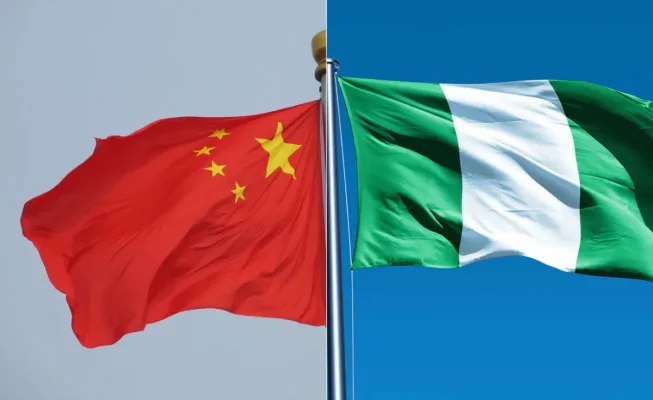
Nigeria and China have sought to strengthen cultural and economic relations through heritage exchange, tea culture and creative collaboration aimed at deepening people-to-people ties between both countries.
This was as the enduring cultural and diplomatic ties between Nigeria and China took centre stage in Abuja on Wednesday during the “Maritime Silk Road Impressions: Immersive Salon of Intangible Cultural Heritage from Ancient Zayton Port.”
The event, jointly organised by the Chinese Embassy, the China Centre of International Cultural Exchange and Tourism Promotion, and the China Cultural Centre in Nigeria, brought together diplomats, cultural enthusiasts, government officials and artists to celebrate the shared values of cultural exchange, mutual learning and people-to-people diplomacy.
Yu Dunhai, Chinese Ambassador to Nigeria, described the salon as a bridge for dialogue between civilisations, noting that tea culture and traditional arts have long served as instruments of peace, openness and mutual understanding.
The ambassador highlighted the historic significance of Quanzhou, also historically known as Zayton Port, which he described as the only UNESCO-listed starting point of the ancient Maritime Silk Road.
According to him, the ancient trade route not only transported goods such as silk, porcelain, spices and tea across continents, but also carried the ideals of peaceful cooperation, inclusiveness and cultural exchange.
“The Silk Road spirit has been passed down through generations and remains alive today, serving as a powerful driving force for China and Nigeria to jointly implement the Belt and Road Initiative and build a community with a shared future,” he said.
Dunhai noted that the event coincided with the 55th anniversary of diplomatic relations between Nigeria and China as well as the China-Africa Year of People-to-People Exchange.
He said the cultural salon featured four Chinese artists showcasing traditional tea ceremonies, incense rituals, ceramics and Guqin performances in a bid to deepen cultural understanding between both countries.
The envoy also linked cultural diplomacy with economic cooperation, referencing China’s newly announced zero-tariff policy for 53 African countries with diplomatic ties to Beijing.
He expressed optimism that Nigerian agricultural exports, including sesame, cocoa beans, cassava, peanuts and coconuts would benefit from the policy, strengthening bilateral trade and Nigeria’s economic growth.
“Along the Silk Road, we will discover new opportunities for cooperation that will enrich the lives of Chinese people and support Nigeria’s socio-economic development,” Dunhai stated.
The ambassador stressed that despite centuries of change, the spirit of unity, equality, mutual trust and mutual learning embedded in the Silk Road remains relevant in modern China-Nigeria relations.
He also encouraged children present at the event to embrace cultural exchange and enjoy the experience.
Representing Hannatu Musawa, Nigeria’s Minister of Art, Culture, Tourism and Creative Economy, Mukhtar Muhammad, Permanent Secretary of the ministry, described tea culture as a symbol of harmony, respect, purity and shared heritage.
Drawing parallels between Chinese tea traditions and Nigeria’s communal culture, Muhammad noted that although tea is not indigenous to Nigeria, it has evolved into a significant social and cultural element across the country.
He referenced the popularity of tea gatherings in homes, markets and social spaces, particularly in northern Nigeria, where spiced tea traditions have become synonymous with hospitality and brotherhood.
“Tea has become a symbol of hospitality and innovation in Nigeria. Our tea market continues to expand, presenting opportunities for agro-processing, creative branding and cultural tourism,” he said.
Muhammad disclosed that the ministry was committed to fostering creative enterprises around tea culture, promoting tea-related festivals and exploring partnerships that would position Nigeria more prominently in the global tea economy.
He further emphasised that Nigeria and China share a relationship that extends beyond trade and diplomacy into heritage, artistry and cultural collaboration.
According to him, initiatives such as tea ceremonies, calligraphy exhibitions and cultural performances organised by the China Cultural Centre align with Nigeria’s creative economy agenda and support intercultural dialogue.
The permanent secretary outlined several areas of cooperation being supported by the ministry, including cultural hubs for skills exchange, women-focused creative initiatives, agro-artistry projects and partnerships aimed at strengthening Nigeria’s presence in the global creative economy.
“Just as tea leaves reveal their essence when steeped in hot water, cultures also blossom through mutual respect and collaboration,” he added.
Also speaking, Yang Jianxing, Chinese cultural envoy and Director of the China Cultural Centre, described tea culture as both a healthy lifestyle and a pathway to calmness, trust and human connection.
Jianxing said tea occupies a unique place in Chinese civilisation because it reflects harmony with nature while creating moments of peace and reflection among people.
“When people sit together to enjoy tea, they share the same space, the same time and the same calm atmosphere. It helps build mutual trust and understanding,” he said.
He expressed appreciation for the friendship between the Chinese and Nigerian people and pledged continued collaboration in strengthening cultural exchanges across Africa.
Jianxing also revealed that the Chinese Embassy and the Voice of Nigeria recently launched the “Nigeria-China Bridge” programme aimed at expanding public understanding of Chinese culture through radio and digital platforms.
He said the initiative would help Nigerians and other Africans learn more about China, deepen mutual appreciation and create stronger foundations for cooperation in multiple sectors.

Join BusinessDay whatsapp Channel, to stay up to date
Open In Whatsapp