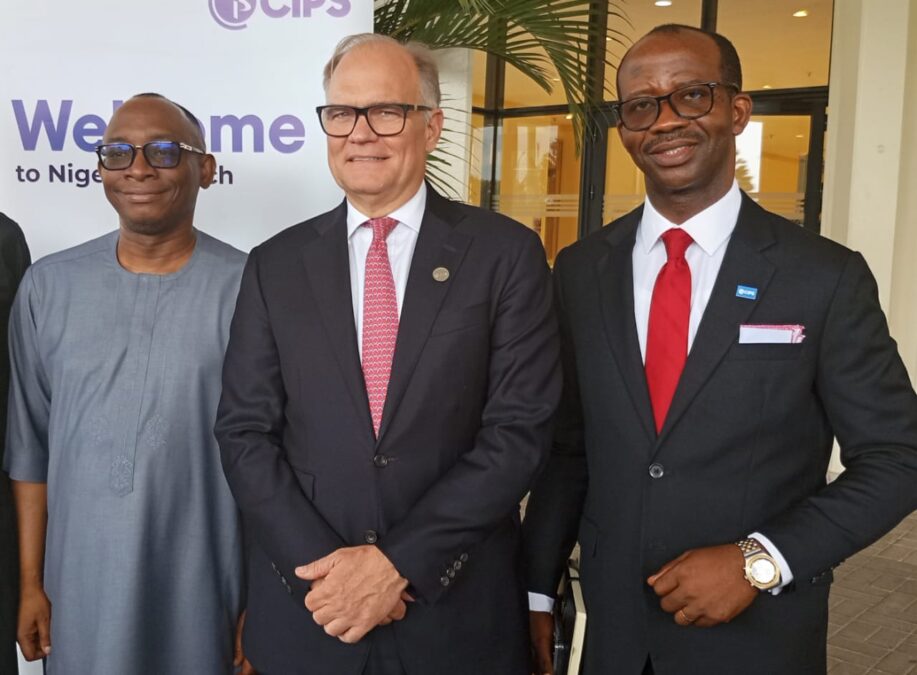
…as CIPS push global standards to safeguard Nigeria’s public procurement
The Bureau of Public Procurement (BPP) has announced plans to introduce procurement ethics and professional training in secondary schools and universities across Nigeria as part of efforts to build a new generation of ethical procurement professionals and strengthen accountability in public spending.
Adebowale Adedokun, Director-General of BPP, disclosed this on Thursday in Abuja during the launch of “The Great Conversation,” a strategic engagement between the Chartered Institute of Procurement and Supply (CIPS) and global procurement leaders.
Adedokun said the initiative was aimed at embedding ethical procurement culture early among young Nigerians while strengthening collaboration between government institutions and professional bodies to safeguard public investments.
According to him, Nigeria is currently investing heavily in roads, hospitals, high-tech infrastructure and medical equipment, making it necessary for procurement professionals handling such projects to operate with global ethical standards.
“We need professional bodies who have embedded good ethical practices in their work programmes. The government is borrowing money to provide social infrastructure, but it also needs to safeguard those investments by ensuring that professionals with global recognition do not compromise standards,” he said.
He explained that the partnership between BPP and CIPS would help the government access global procurement expertise, improve quality assurance and reduce the risk of fake products, unethical practices and value loss in public projects.
Adedokun noted that the collaboration would also help bridge the long-standing gap between the public and private sectors in procurement management.
“Before now, we have been operating in parallel, and things could go wrong because there was no synergy. But now we are closing the gap so that anyone involved in procurement will be accountable not only to regulators but also to professional bodies,” he said.
The BPP boss said the bureau was working with CIPS to establish procurement clubs and societies in schools and tertiary institutions to expose young people to procurement principles, mentorship and career opportunities.
He said the initiative would help produce graduates trained in sustainable procurement practices from undergraduate to postgraduate levels while also equipping them with professional certifications.
Adedokun further stated that the partnership would help reduce government spending on technical consultancy, as professional bodies could provide some expertise and mentorship support at little or no cost.
Speaking at the event, Ben Farrell, Global Chief Executive Officer of CIPS, said the procurement profession was entering a new phase of global evolution driven by artificial intelligence, geopolitical risks, climate change and growing supply chain disruptions.
Farrell said procurement professionals would increasingly play strategic roles in managing global uncertainties, sustainability and organisational resilience.
“The world has become highly interconnected and supply chains can now be weaponised. Organisations are turning to procurement professionals to manage disruptions and ensure continuity,” he said.
He stressed the need for globally recognised procurement standards similar to those applicable to lawyers, accountants and engineers, noting that governments spend huge amounts of public funds annually on procurement.
According to him, the “Great Conversation” initiative was designed to gather perspectives from procurement professionals worldwide on the future of the profession, emerging skills requirements and the impact of technologies such as artificial intelligence.
Farrell disclosed that CIPS was already developing new professional credentials and micro-certifications in areas including AI, disaster recovery, anti-corruption and supply chain resilience to prepare professionals for future challenges.
He also noted that sustainability and procurement could no longer be separated, as procurement professionals now bear increasing responsibility for ensuring ethical and environmentally sustainable supply chains.
The CIPS CEO said the organisation would conclude the global engagement later in the year and present recommendations that could help redefine procurement standards and competencies for the future.
On his part, Chukwudi Uche, CIPS Country Director for Nigeria, said the engagement reflects a shared commitment to positioning procurement as a strategic driver of national development, institutional excellence and sustainable economic growth.
He noted that procurement has evolved beyond an operational function to a central pillar of governance, corporate accountability, risk management, sustainability and value creation across both public and private sectors.
Uche expressed concern that procurement leadership remains underrepresented in executive decision-making in many institutions, while capability gaps persist in strategic sourcing, data analytics, digital transformation and stakeholder engagement.
According to him, addressing these gaps requires stronger collaboration, continuous professional development and deeper engagement between practitioners, policymakers and professional bodies.
He stressed that CIPS remains committed not only to certification and training but also to strengthening institutional capacity, promoting global best practices and advancing ethical standards across the profession.

Join BusinessDay whatsapp Channel, to stay up to date
Open In Whatsapp