The Central Bank of Nigeria (CBN) will continue to strengthen its supervision of banks despite the successful completion of the banking sector recapitalisation exercise, Olayemi Cardoso, governor of the CBN, has said.
Cardoso said the CBN’s oversight of banks would not end with the recapitalisation exercise, which raised between N4 trillion and N5 trillion in fresh capital for the banking industry.
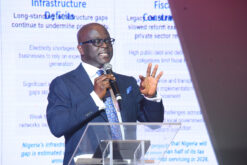
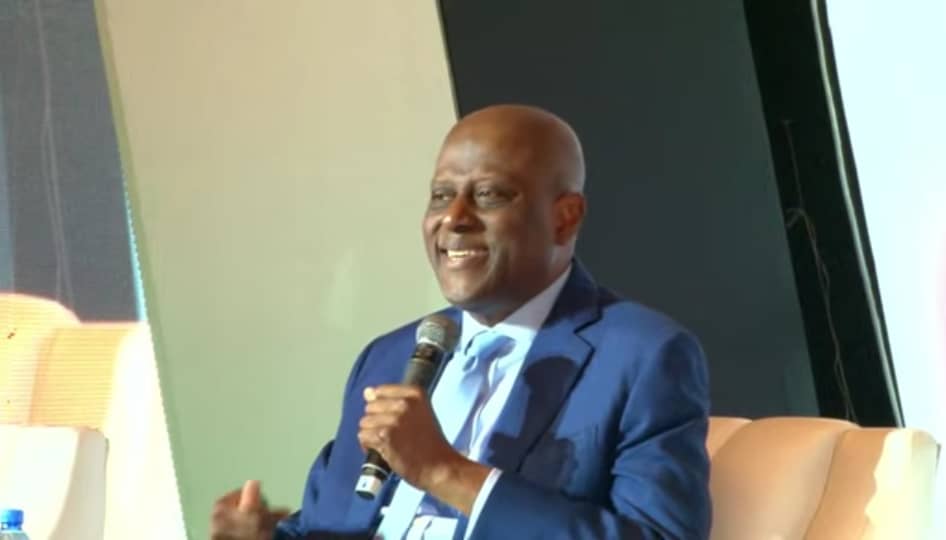
“Our oversight on banks does not stop at the fact that you have raised capital. No, it’s going to be continuous because we need a strong, resilient banking sector to be able to take us to where we want to go,” Cardoso said during a fireside chat with Frank Aigbogun, chief executive officer of BusinessDay, at the BusinessDay 14th Annual CEO Forum in Lagos.
The governor said the recapitalisation was designed to build greater resilience in the banking system and strengthen banks’ capacity to withstand economic shocks.
He said the decision was initially met with resistance when it was announced, but banks eventually recognised that the exercise was in their best interest.
“There was an enormous amount of pushback and all that kind of stuff,” Cardoso said. “Our belief at the time was that we needed to build resilience in our banking system.”
Read also: CBN targets $1bn monthly diaspora remittances by year-end
According to him, the need for stronger capital buffers became more apparent after the impact of internal weaknesses, regulatory forbearance and the significant devaluation of the naira exposed vulnerabilities in the banking system.
The CBN governor said the successful completion of the exercise had left Nigerian banks more resilient and better positioned to withstand future shocks.
He also noted that Nigerian banks have a significant presence across Africa and in international markets, creating a corresponding need for them to maintain adequate capital.
“Our banking system is very different from many others. On the African continent, we more or less dominate. Our banks are everywhere,” Cardoso said.
He said the stronger capital base would eventually enable banks to play a greater role in financing businesses, including small and medium-sized enterprises, as inflation and interest rates moderate.
Cardoso acknowledged that banks had initially channelled a significant portion of their capital towards government securities, including treasury bills, but said this could change as economic conditions improve.
“In the course of time, when all these different actions begin to settle, we believe inflation will come down, interest rates will come down. It will be a different ball game,” he said.
He added that banks would then be better positioned to expand lending to businesses, although this would require stronger expertise in assessing and managing risks.
“The environment has changed, and it is going to be an opportunity for those who have the capacity,” Cardoso said.
The governor, however, cautioned against pressuring banks to lend indiscriminately, stressing that banks must protect depositors’ funds and take risks that are properly analysed and understood.
He said recent challenges involving banks’ exposures, partiBank recapitalisation won’t end CBN supervision, says Cardoso
Hope Moses-Ashike
The Central Bank of Nigeria (CBN) will continue to strengthen its supervision of banks despite the successful completion of the banking sector recapitalisation exercise, Olayemi Cardoso, governor of the CBN, has said.
Cardoso said the CBN’s oversight of banks would not end with the recapitalisation exercise, which raised between N4 trillion and N5 trillion in fresh capital for the banking industry.
“Our oversight on banks does not stop at the fact that you have raised capital. No, it’s going to be continuous because we need a strong, resilient banking sector to be able to take us to where we want to go,” Cardoso said during a fireside chat with Frank Aigbogun, chief executive officer of BusinessDay, at the BusinessDay 14th Annual CEO Forum in Lagos.
The governor said the recapitalisation was designed to build greater resilience in the banking system and strengthen banks’ capacity to withstand economic shocks.
He said the decision was initially met with resistance when it was announced, but banks eventually recognised that the exercise was in their best interest.
“There was an enormous amount of pushback and all that kind of stuff,” Cardoso said. “Our belief at the time was that we needed to build resilience in our banking system.”
According to him, the need for stronger capital buffers became more apparent after the impact of internal weaknesses, regulatory forbearance and the significant devaluation of the naira exposed vulnerabilities in the banking system.
The CBN governor said the successful completion of the exercise had left Nigerian banks more resilient and better positioned to withstand future shocks.
He also noted that Nigerian banks have a significant presence across Africa and in international markets, creating a corresponding need for them to maintain adequate capital.
“Our banking system is very different from many others. On the African continent, we more or less dominate. Our banks are everywhere,” Cardoso said.
He said the stronger capital base would eventually enable banks to play a greater role in financing businesses, including small and medium-sized enterprises, as inflation and interest rates moderate.
Cardoso acknowledged that banks had initially channelled a significant portion of their capital towards government securities, including treasury bills, but said this could change as economic conditions improve.
“In the course of time, when all these different actions begin to settle, we believe inflation will come down, interest rates will come down. It will be a different ball game,” he said.
He added that banks would then be better positioned to expand lending to businesses, although this would require stronger expertise in assessing and managing risks.
“The environment has changed, and it is going to be an opportunity for those who have the capacity,” Cardoso said.
The governor, however, cautioned against pressuring banks to lend indiscriminately, stressing that banks must protect depositors’ funds and take risks that are properly analysed and understood.
He said recent challenges involving banks’ exposures, particularly to the oil and gas sector, should serve as lessons for lenders.
“banks don’t take risks, or they shouldn’t take risks that will put them in trouble. They take risks that are well thought through, well analysed, and protect them. Because at the end of the day, they hold depositors’ money,” Cardoso said.
He added that the CBN would work with banks to strengthen the skills needed to assess complex lending opportunities and manage risks in a changing economic environment.
“Some of these areas are hugely specialised where you need extremely sophisticated skills to be able to manage them, and that is something which we at the Central Bank are determined to work closely with the banking system to help them to develop that skill base,” he said.
The CBN completed the recapitalisation exercise in March 2026, with 33 licensed banks meeting the new capital requirements.
cularly to the oil and gas sector, should serve as lessons for lenders.
“banks don’t take risks, or they shouldn’t take risks that will put them in trouble. They take risks that are well thought through, well analysed, and protect them. Because at the end of the day, they hold depositors’ money,” Cardoso said.
He added that the CBN would work with banks to strengthen the skills needed to assess complex lending opportunities and manage risks in a changing economic environment.
“Some of these areas are hugely specialised where you need extremely sophisticated skills to be able to manage them, and that is something which we at the Central Bank are determined to work closely with the banking system to help them to develop that skill base,” he said.
The CBN completed the recapitalisation exercise in March 2026, with 33 licensed banks meeting the new capital requirements.

Join BusinessDay whatsapp Channel, to stay up to date
Open In Whatsapp