Many African businesses struggle to attract institutional investors because they remain overly dependent on their founders rather than robust governance structures, according to Crimson Oak, a private capital and advisory firm that has launched a framework to assess companies’ investment readiness.
The firm said founder-led businesses across the continent often hit a growth ceiling because decision-making, operations and strategy are concentrated around a single individual instead of institutional systems that can outlive the founder.
To address the gap, Crimson Oak has introduced its Institutionalisation Index, an eight-pillar assessment framework that measures a company’s preparedness to absorb external capital, evaluating areas including financial discipline, governance, risk management and operational structures.
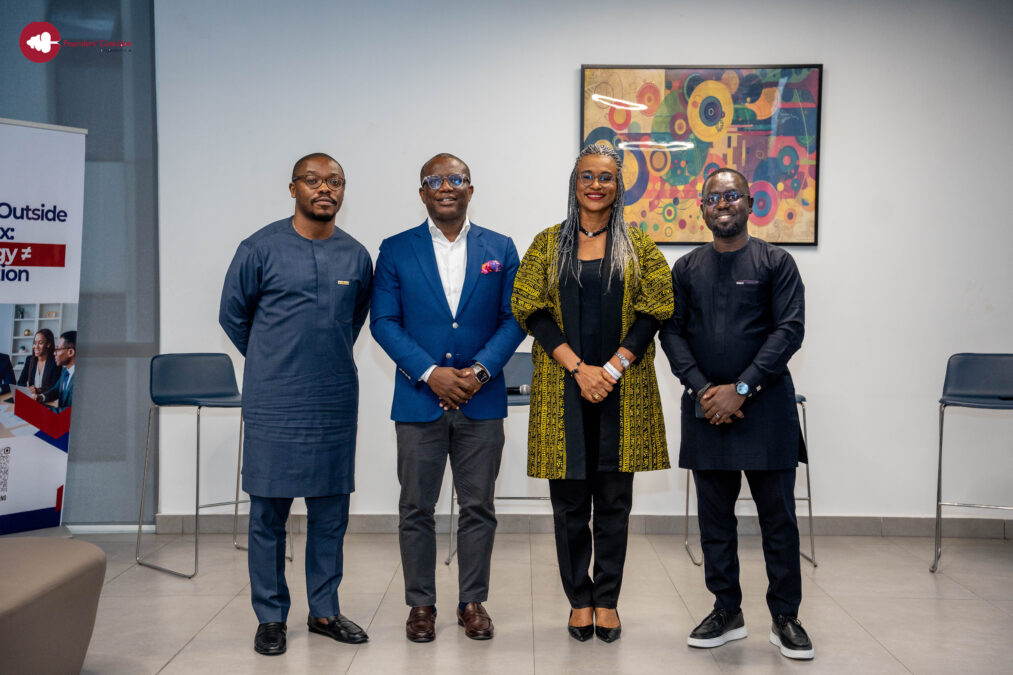
“The businesses that successfully attract long-term capital are those that can operate independently of their founders,” the firm said during its inaugural Founders’ Conclave in Lagos, where business owners, corporate advisers and strategy experts discussed the structural barriers limiting the growth of African enterprises.
Private equity and institutional investors have increasingly emphasised governance and succession planning as prerequisites for deploying capital, particularly in frontier markets where founder-led businesses dominate the corporate landscape.
Speaking at the event, Strategy& West Africa Partner and Lead, Olusegun Zaccheaus, urged business leaders to regularly reassess the assumptions underpinning their expansion plans as they navigate volatile economic conditions.
“Strategists always have assumptions; you must know your assumptions,” he said, adding that companies should continually stress-test their business models against changing market realities.
Temilola Adepetun, founder of SKLD Integrated Services, said entrepreneurs must deliberately build management teams capable of running businesses without constant founder involvement.
“It is very important to build robust execution teams in order to scale your business,” she said. “You must intentionally step back and delegate control to team members.”
Legal expert Niyi Immanuel said even well-crafted business strategies would struggle to succeed without formal governance structures and clearly defined corporate frameworks.
The discussions come as African companies face tighter financing conditions, elevated borrowing costs and increased investor scrutiny, placing greater emphasis on governance standards and operational resilience as determinants of investment readiness.
Crimson Oak said the conclave was designed to provide founders with practical frameworks for building businesses that can outlive their founders and compete for institutional capital, rather than relying solely on entrepreneurial vision.

Join BusinessDay whatsapp Channel, to stay up to date
Open In Whatsapp