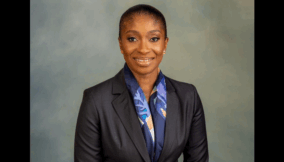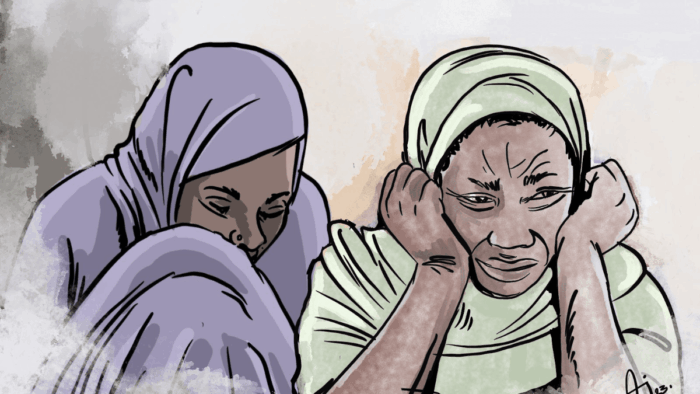
Elizabeth is 50 years old but not married. She desires to join parenthood. She is a senior manager in a reputable company in Abuja and lives in a two-bedroom apartment. To many people around her, she is comfortable as she earns good salary, beautiful, and with average height.
While people around Elizabeth see her as contented in life, inside her, she is not fulfilled. She wants to get married.
In Nigerian culture, marriage offers some sort of social security, companionship and a platform for raising children. It also offers social recognition and increased status compared to being single at old age of 40 years and above for all sexes.
Parents who understand the social importance of marriage wish their children to get married.
With this in mind, Elizabeth and other ladies in that unmarried-age bracket formed an association in their church. One of the objectives of the group is to empower single men financially. This is to enable the men grow confidence, have the financial muscle to approach ladies for marriage, in the spirit of “Mma nwoke bu ego.” This literally means that the man is not complete without money. While Mma nwayi but diya. This means the pride of a lady is her husband.
Nigerian society is a unique one. Some men, due to pride and ego would not approach ladies who are financially better than them. The men may be justified as the same society entrusts most family responsibility on the men and regards women as helpers. Relying on this toga, some women often say, ‘my money is my money and his money is our money’. Also, some wives therefore, tend to have less regard for their financially-incapable husbands, a situation that sometimes breeds conflict at homes.
Today, women empowerment, gender equality has taken centre stage as many organisations have shifted their focus to this campaign with the conviction that ‘when society empowers women, it is better for the society and the economy’. But when both men and women are empowered together, the economy gets better.
Some financial institutions even grant loans to women through special schemes at a very low percentage of below 10% and ask the men to apply for loans at higher percentage in the same economy. Men are facing stricter conditions and at most times not under consideration.
This is the situation Elizabeth and her peers in the group are facing. They are relatively comfortable, materially. It is therefore, likely difficult for the men who are not empowered to approach them for marriage unless the men will be assured of some respect at home in spite of the financial inequality.
Elizabeth complained that most unmarried men in the church refused to come forward for financial assistance from the ladies’ group.
Feyi, who also listened to Elizabeth’s story, attributed the reason to pride in men. Feyi suggested that the financial assistance project should have been channelled through the church instead of direct assistance by the ladies’ group.
George, who was with Feyi, also underscored the importance of empowering men in society, if not, many women would face Elizabeth’s fate of remaining single at 50, though materially comfortable.
George, who is a marriage counsellor, believes that the society is dynamic. He said that empowering women without empowering men could create a home imbalance which could lead to friction at homes and marriage breakups.
Some women sometimes create this erroneous narrative that men are already empowered. Men know the challenges ahead of them and the responsibility the society, including women entrust on them. They therefore, move out on their own with determination to succeed. Some make it through any short or long means, some don’t.
Any culture that inspires men to be economically balanced, responsible and “respectful creates a stronger foundation for women to thrive.”
Men are said to be the head of families and when this head becomes the tail, of course, the centre cannot hold anymore. Therefore, empowering men alongside women will obviously create ripple effects that will benefit the women and ladies like Elizabeth who at 50 remains single not because of poor attitude but because the economy has not favoured a man to approach her for marriage.
Empowering men is not only on financial and employment opportunities and jobs, but teaching them skills and making them realise that masculinity and strength also mean empathy and respect and not just dominance as an analyst said. When men embrace this teaching and culture and women play their roles at home respectively, it decreases problems at homes. For a couple, this promotes social balance and good relationships.
At a recent programme organised by Cway company on ‘Water and Gender’, it was argued that young boys see fetching of water as women responsibility alone. But the male students at the programme understood that it is a shared responsibility and they are likely to carry this understanding going forward.
Many men hardly express attacks at their homes as they see it as anti-manhood to report such incidences. With this, they go through social stress resulting in death. In social palance, they say there are more widows than widowers.
For Elizabeth and her likes, they feel that approaching men for marriage is anti-cultural. They therefore devised a means to empower men to approach them for marriage. Men need empowerment both financial, moral and respect to have confidence, self-esteem and financial balance to fulfil marriage obligations entrusted on them by the society.
Let’s help ladies like Elizabeth by uplifting more men. Elizabeth and her peers deserve permanent companionship, they deserve more social status and they deserve children of their own, through culturally accepted means and legitimately. They deserve marriage.

Join BusinessDay whatsapp Channel, to stay up to date
Open In Whatsapp