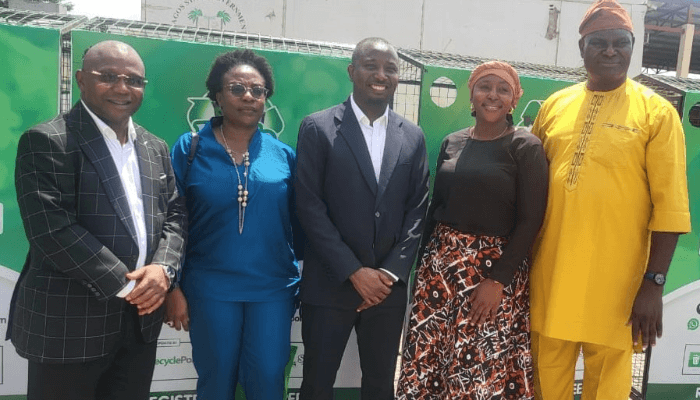
A strategic partnership between Rite Foods Limited and RecyclePoints has set out to drive Waste-In-Naira (WIN) initiative aimed at transforming plastic waste into a viable source of income for Nigerians.
The partnership, according to the authorities of Rite Foods, is a demonstration of their commitment to environmental stewardship and regulatory compliance, while the initiative is an ambitious, community-driven programme designed to advance extended producer responsibility (EPR).
Rite Foods is a leading consumer packaged goods company in the Nigerian food and beverage industry, guided by a commitment to excellence and quality. On its part, RecyclePoints is a leading waste-to-wealth social enterprise and recycler.
The WIN initiative, which they jointly unveiled in Lagos recently, marks a significant step in Rite Foods’ long-term sustainability strategy, which aligns their operations with national environmental priorities and global best practices in post-consumer waste management.
Rite Foods disclosed at the unveiling that the partnership has the support of key regulatory and industry stakeholders, including the Lagos State Ministry of the Environment, Lagos Waste Management Authority (LAWMA), Lagos State Environmental Protection Agency (LASEPA), the Food and Beverage Recycling Alliance (FBRA), and community leaders, among others.
“The W.I.N initiative operationalises EPR principles by creating a structured system for the recovery, collection, and recycling of post-consumer packaging. Through this model, Rite Foods is not only taking responsibility for the lifecycle of its packaging materials but also enabling consumers to actively participate in sustainable waste management, Ekuma Eze, Rite Foods’ head of corporate affairs and sustainability, explained.
He added that the programme allows residents to exchange used plastic bottles and beverage cans for cash, effectively converting waste into economic opportunities.
“With a projected annual recovery of over 750 tonnes of plastic waste, the initiative is poised to significantly reduce environmental pollution, improve circularity in packaging use, and stimulate grassroots economic activity,” he stated.
Eze described the initiative as a natural evolution of the company’s sustainability journey and a deliberate move to embed EPR into their business model.
“This initiative goes beyond clean-up efforts. It reflects our responsibility as a producer to close the loop on our packaging materials. With ‘Waste-Is-Naira’, we are institutionalising a system where post-consumer waste is recovered, reintegrated into the value chain, and translated into tangible socio-economic benefits for Nigerians,” he noted.
He noted further that following years of impactful coastal clean-up campaigns under the Riteonthebeach initiative, the company is now scaling its efforts inland through a more structured, incentive-based recycling framework that drives behavioral change at the community level.
Daniel Oderinde, programme manager at RecyclePoints, explained that participants are provided with branded ‘Waste-Is-Naira’ sack bags to encourage proper waste segregation at the source.
He added that, once filled, these materials are delivered to designated collection hubs, where they are weighed, logged, and digitally recorded. Payments are subsequently processed, ensuring transparency, traceability, and financial inclusion for participants.
Akin Disu, Founder of Popbeachclub and Rite Foods’ partner on the Riteonthebeach project, emphasised the broader societal impact of the initiative, noting that it represents a paradigm shift in how waste is perceived and managed.
Regulatory stakeholders also commended the initiative for aligning with environmental standards and strengthening public-private collaboration. Adedayo Adebayo, director of environmental sustainability at LASEPA, highlighted the importance of compliance and structured frameworks in delivering long-term impact, while Oguntola Omolara of LAWMA described the programme as a timely intervention that supports the state’s waste management objectives.
Adeoye Babajide, director, waste management at Lagos State Ministry of Works and Water Resources, stated that the initiative aligns with the state government’s drive to keep the environment healthy and also to preserve the natural water resources for human use.
Arese Onigise, executive secretary of FBRA, stated that initiatives like W.I.N. exemplify how producers can move beyond compliance to actively implement EPR in a way that is both practical and impactful.

Join BusinessDay whatsapp Channel, to stay up to date
Open In Whatsapp