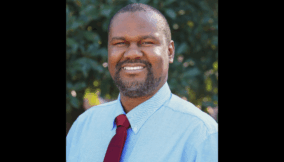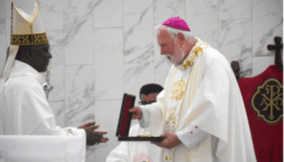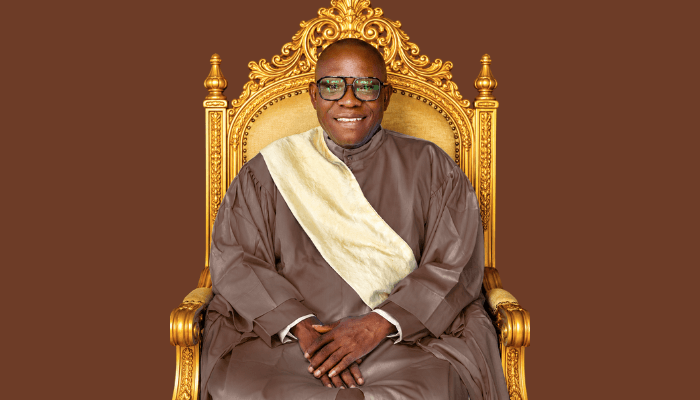
Yemi Shogbesan, the shepherd-in-charge, Celestial Church of Christ (CCC), Ile Iyanu, Estate Gate, Ipaja and the newly elected OAIC, vice chairman, Estate Gate area, spoke on the unity of the Church and the impact of African-instituted churches on nation building. Excerpts by JOHN SALAU:
What can you tell us about the impact of Organisation of Africa instituted churches (OAIC) on nation building in Nigeria?
The Organisation of African Instituted Churches (OAIC) has made substantial contributions to nation building in Nigeria by promoting unity, supporting community development, providing moral leadership, and fostering peace. Through its grassroots presence and commitment to both spiritual and social progress, OAIC continues to play a vital role in shaping a stronger, more unified nation. As a bloc of the CAN, OAIC promotes interfaith engagement by actively participating in interfaith dialogue with other religious groups, promoting understanding and cooperation for national development. These efforts help reduce religious tensions and build bridges across Nigeria’s diverse population.
The Organisation of African Instituted Churches (OAIC) is a prominent bloc within the Christian Association of Nigeria (CAN). Representing indigenous African churches, OAIC has played a significant role in the nation-building process by promoting spiritual, social, and economic development across Nigeria. OAIC preserves and promotes African cultural heritage by integrating local traditions with Christian worship. By fostering pride in African identity, OAIC helps bridge ethnic, cultural, and religious divides, contributing to a more unified Nigerian society.
OAIC churches are deeply rooted in local communities, often providing basic education, healthcare, and social services in rural and underserved areas. These grassroots efforts support poverty alleviation, empower women and youth, and encourage self-reliance. As a ministry, OAIC provides moral guidance, emphasising values such as honesty, hard work, and integrity—qualities essential for national progress. And, by addressing social issues like corruption and injustice, OAIC encourages ethical behaviour among citizens and leaders.
Peacebuilding and conflict resolution is deeply rooted in the African Instituted Churches, which promote peace, tolerance, and conflict resolution among diverse ethnic and religious groups. Through dialogue and advocacy, OAIC helps de-escalate tensions and foster harmonious coexistence, especially in regions prone to conflict. As nation builders, OAIC encourages members to participate in civic duties, such as voting and community service, strengthening democratic processes. The organisation advocates for social justice, equity, and the protection of human rights.
What is your view on practical unity in diversity, especially in relation to CAN’s motto?
Unity does not require uniformity. The New Testament envisions a Church where diversity of gifts, cultures, and personalities contributes to a richer, more vibrant community. Paul uses the metaphor of the body: “For just as each of us has one body with many members…and these members do not all have the same function, so in Christ we, though many, form one body” (Romans 12:4-5). Differences are not obstacles to unity; they are its foundation. In today’s globalised, multicultural world, the Christian message of unity is more relevant than ever. Racial, ethnic, and national tensions persist, and religion is sometimes manipulated to deepen divides. Christians are called to reject such misuse and instead model inclusive, reconciling communities.
Modern Christian leaders and organisations increasingly promote dialogue across denominational lines and even with other faiths. Initiatives such as the World Council of Churches and local ecumenical movements embody the biblical vision of unity. While theological differences remain, the emphasis is on shared values, mutual respect, and collaborative action for the common good. Unity begins with humility—recognising that no individual or group has a monopoly on truth. Christians are called to listen, learn, and correct their own biases. Whether in families, churches, or communities, believers should take the initiative in healing wounds and restoring relationships, following the example of Christ. Rather than fearing difference, Christians can celebrate it as a gift. Worship, traditions, and perspectives from various backgrounds enrich the Church globally. Joint service projects, advocacy for justice, and caring for the marginalised unite believers in a common mission, transcending doctrinal and cultural lines.
Many have criticised the Church for not helping enough; how true is this?
From its very inception, Christianity has been a faith centered on love, reconciliation, and the unity of humankind. Yet, throughout history and even today, Christianity is often associated with schisms, denominational disputes, and sometimes, even conflict. This contradiction between the message of unity at the heart of Christianity and the reality of division in its practice calls for honest reflection. Jesus Christ, the central figure of Christianity, consistently advocated for unity. In his famous prayer recorded in the Gospel of John, Jesus prays, “That they may all be one, just as you, Father, are in me, and I in you, that they also may be in us” (John 17:21). This prayer reveals the heart of Christ’s mission, not only to reconcile humanity to God but also to each other.
What parallel can you draw from the early Church and what we have in Christendom today?
The early Church embodied unity across diversity. The book of Acts describes communities where Jews and Gentiles, men and women, rich and poor, shared life together. The apostle Paul, writing to the Galatians, declared: “There is neither Jew nor Greek, slave nor free, male nor female, for you are all one in Christ Jesus” (Galatians 3:28). This radical message broke down social, ethnic, and economic barriers, creating a new community grounded in love and mutual respect. Despite its unifying core, Christianity’s history is riddled with divisions from the Great Schism between East and West, to the Protestant Reformation, to countless denominational splits in modern times. These divisions often arose from theological disagreements, political pressures, and human failings rather than the teachings of Christ. When Christianity is harnessed to justify exclusion, it betrays its original message. Sectarianism, whether based on doctrine, culture, or politics, undermines the unity that Christ prayed for. Division breeds suspicion, intolerance, and sometimes violence—far removed from the love and reconciliation that define authentic Christian faith. The apostle Paul, in his letters, consistently called communities to reconciliation. In his second letter to the Corinthians, he writes: “God was reconciling the world to himself in Christ…and he has committed to us the message of reconciliation” (2 Corinthians 5:19). Christians are thus ambassadors of reconciliation, tasked with building bridges, not walls.

Join BusinessDay whatsapp Channel, to stay up to date
Open In Whatsapp