…As 6,200 applicants take computer test for foreign scholarship
In the past, the biggest scandals and concerns in the operations of the Niger Delta Development Commission (NDDC) came mainly from procurement.
Now, the Commission has emphasised the importance of driving policy reforms and digitising its procurement system to improve efficiency, promote transparency, and eliminate bottlenecks associated with the manual process.
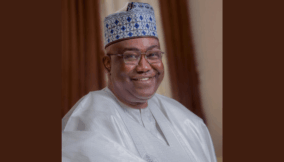
Speaking during the NDDC Procurement Policy Reform and Digitisation Stakeholders Sensitisation and Training Summit in Imo State, Chuks Osuji, the NDDC Director of Procurement, said the policy reform and digitisation initiative was a critical step towards improving workflow, eliminating inefficiencies and ensuring transparency, efficiency and accountability in the Commission’s procurement process.
Osuji described the reform as an important initiative that would facilitate efficient workflow, eliminate the tedious analogue procurement process and curb nepotism and corruption in the system.
He explained: “This effort is part of a broader commitment to modernize our procurement practices, which reduces inefficiencies and ensures value for money.”
Osuji showered appreciation on Samuel Ogbuku, the NDDC CEO for his transformational activities in the Niger Delta region and for moving the Commission from a manual system to a digitised one.
He urged contractors, consultants, and service providers to embrace the digital procurement platform, noting that the transition would enhance accountability and promote best practices in procurement across the Commission.
In his remarks, Kyrian Uchegbu, the Imo State Representative on the NDDC board, observed that NDDC was working in line with global best practices and national policy direction.
He noted that digital procurement systems offer numerous benefits, which improve efficiency, minimise delays, reduce corruption risks, and create a more transparent and competitive environment for contractors and service providers. More importantly, they provide a reliable audit trail that strengthens institutional accountability.
Other dignitaries that made remarks include Patrick Obayelu, Imo State Office, who mentioned the order by the presidency for MDAs to migrate from analogue to digital systems of operation, saying it requires changing mindsets; Frank Kelechi, Head Procurement and Audit Department, Imo State Bureau of Public Procurement, who commended the NDDC for embracing digitization.
Meanwhile, some 6,200 applicants out of about 16,000 have taken the computer test to vie for NDDC foreign scholarship slots. The test was held at the Rivers State University (RSU), formerly Rivers State University of Science and Technology (RSUST), Port Harcourt.
Speaking, Patience Ezugu, the NDDC Director of Education, Health and Social Services, said the 2026 computer test was the second phase of the scholarship exercise, noting that the programme was designed to deepen human capital development across the Niger Delta region.
She stated: “We want to build a region where our people are equipped to compete globally, knowing that one successful scholar can uplift an entire family and contribute meaningfully to society.”
Ezugu noted that the programme had been running since 2010, sponsoring scholars in reputable foreign universities.
She noted: “Many of them return after completing their studies to contribute to the region’s development. The process is transparent, and candidates know their scores immediately after completing the test, which determines whether they qualify for the next phase.”
Also speaking, Awele Chukwudifu, the Director of Education, commended the board and management of the NDDC for sustaining the programme, noting that it had continued to produce outstanding academic results over the years.
Chukwudifu said: “One of the strengths of this process is its transparency. As soon as a candidate completes the test, the result appears, reinforcing the credibility and integrity of the exercise. We are optimistic that through this process, the region, especially its youths, will be better empowered.”
One of the candidates, Victor Diekedie, described the application and examination process as free, fair, and transparent.
Another candidate, Ndukwe Esther, also commended the smooth and transparent conduct of the exercise, describing the scholarship initiative as a laudable intervention that was empowering youths of the Niger Delta.
She expressed optimism that her good score would earn her a place among the successful beneficiaries.
Providing insight into the conduct of the exercise, Godson Ideozu, the consultant overseeing the process, disclosed that over 16,000 candidates applied for the scholarship, out of which 6,200 were shortlisted for the CBT stage.
He explained that the test sessions were spread across four days, with six to seven sessions held daily to accommodate candidates from across the Niger Delta region.

Join BusinessDay whatsapp Channel, to stay up to date
Open In Whatsapp